BMW knows the car market is not moving in one clean direction right now, and the new fifth-generation X5 is basically the brand’s physical response to that problem.
Some buyers want electric. Some still trust diesel in a big SUV. Plenty like the idea of a plug-in hybrid because it sounds sensible without asking them to rethink their entire routine overnight.
And then there is hydrogen, sitting quietly on the options list from 2028, because BMW has apparently decided it would rather cover every possible future than commit too hard to any single one.
RELATED: BMW Just Admitted The M2 Is The Real M3 Now
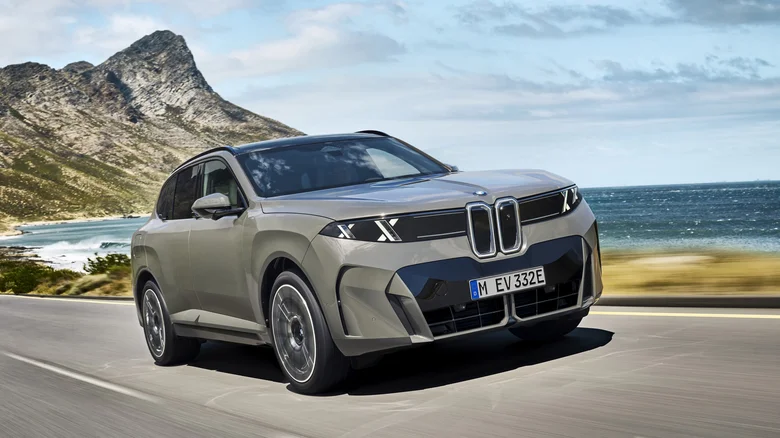
The result is an X5 that arrives with petrol, diesel, plug-in hybrid, full electric and hydrogen variants either available now or coming soon. It is less a car launch and more BMW refusing to blink first in the middle of an industry that cannot agree on where it is going.
The Electric X5 Finally Arrives
The most prominent version is the iX5, and it matters because this is the first time BMW has built a fully electric X5 rather than just adjacent to one.
The iX5 60 carries a battery of around 140kWh, produces up to 578hp and is estimated to offer 435 miles of EPA range in the US. European figures point to a WLTP number approaching 500 miles, aided by the largest battery yet fitted to a production EV in that market.
RELATED: First BMW Skytop Delivered to Italian Racing Driver After Year Long Wait
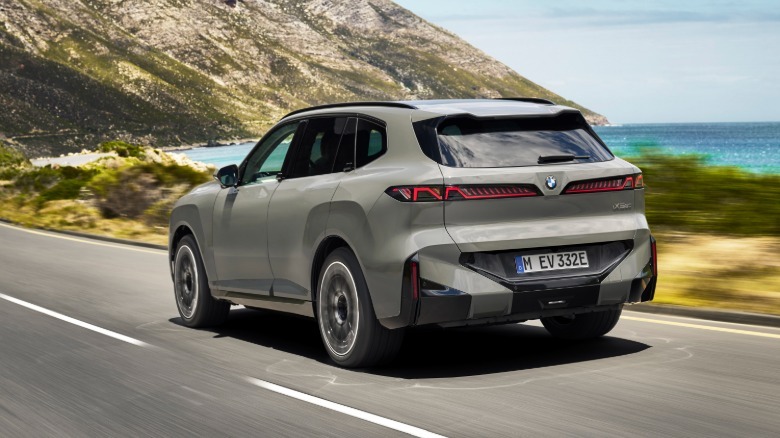
The 800V architecture and 450kW charging capability should help make carrying that much battery feel less punishing on longer trips.
It is also going to be heavy. The electric X5 is expected to weigh well over three tonnes, which makes the claimed 0 to 62mph time of 4.7 seconds both impressive and slightly surreal depending on how you feel about physics.
This is not BMW quietly dipping a toe into EVs with a small experiment. This is the X5, the brand’s biggest-selling model in its most important market, finally getting a proper electric version.
RELATED: BMW iX3 Crushes Its Claimed Range With 626 Mile Real-World Drive
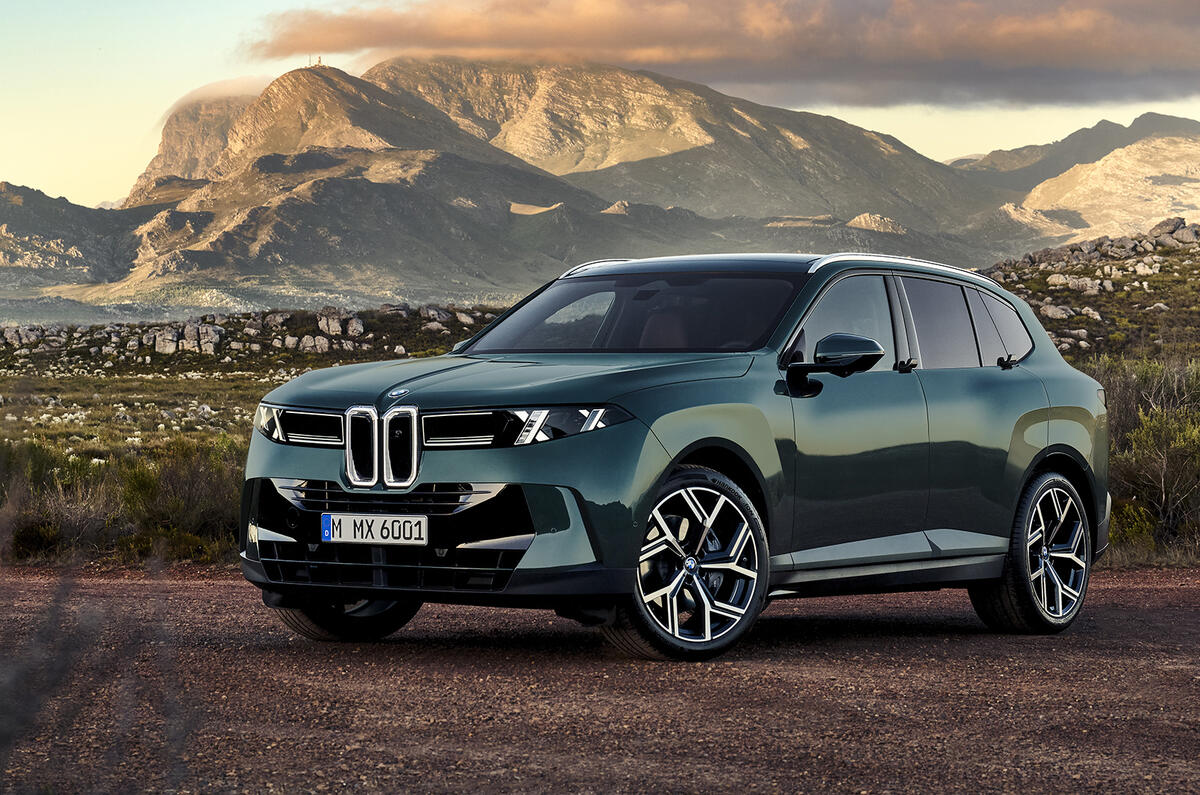
BMW Still Wants To Give Buyers Options
The more revealing part of the story is what sits alongside the electric model.
The new X5 still comes with six-cylinder combustion power, plug-in hybrid versions and diesel for markets where buyers haven’t moved on from it.
That range of options is one of the clearest signals that BMW does not believe every market is ready to move at the same pace, and the US in particular has historically been the X5’s biggest audience. Large SUVs have not converted to electric nearly as quickly as smaller cars, and BMW has clearly built this generation with that in mind.
The Details That Will Actually Annoy People
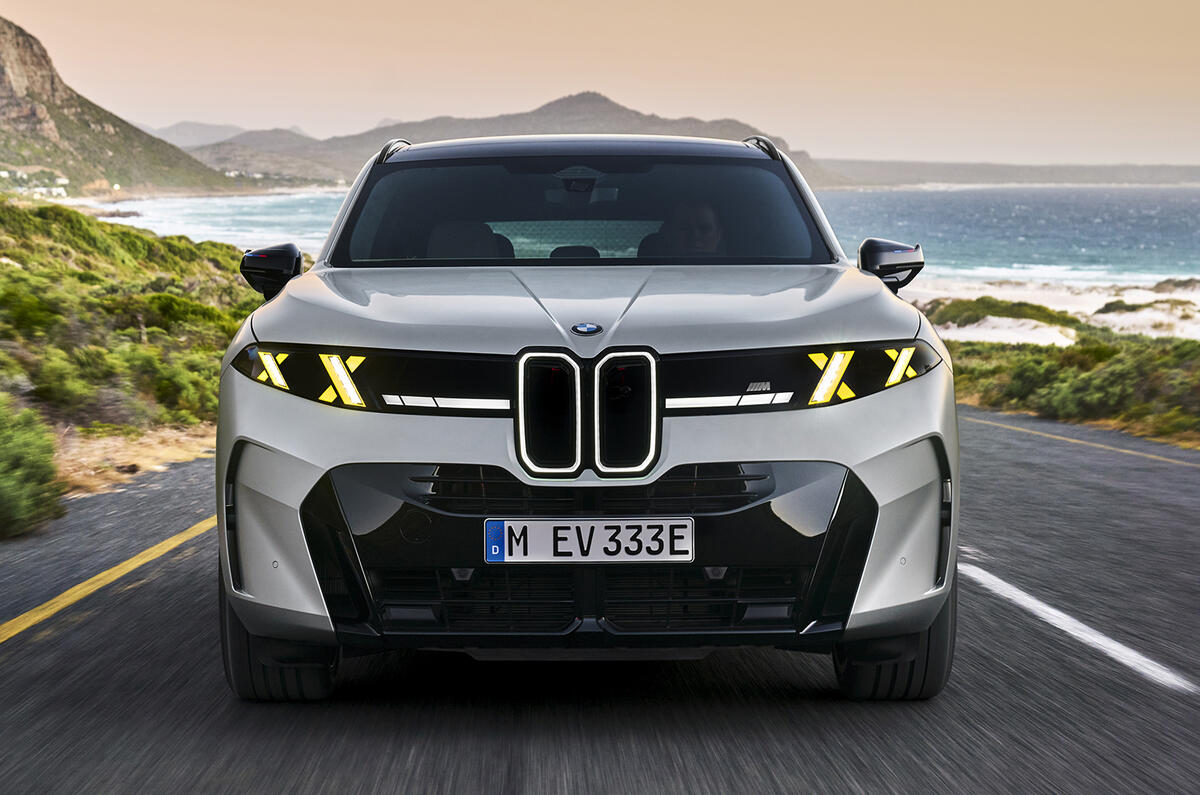
The design follows BMW’s Neue Klasse direction, with bold X-shaped lighting, a cleaner front end and a cabin centred on the brand’s latest screen-heavy interior. There is a 17.9-inch central touchscreen, an optional passenger display and BMW’s panoramic iDrive setup across the base of the windscreen.
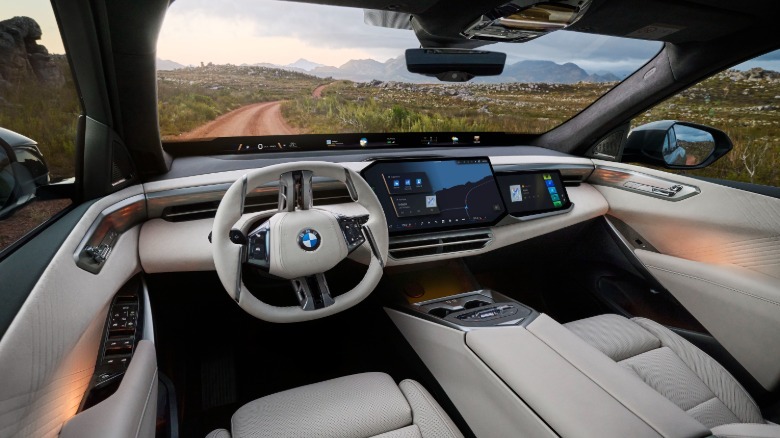
The traditional iDrive controller is gone, which some owners will adjust to quickly enough.
The split tailgate is also gone, which will sting more. It was one of those small X5 details that people actually used and quietly appreciated, whether loading bags awkwardly, sitting on it after a run or convincing themselves a six-figure luxury SUV still had some practical country-life credibility.
BMW says a conventional liftgate helps aerodynamics and packaging. That is probably true and people will complain anyway, which is also probably fair.
The broader picture is harder to argue with. The X5 has always been one of BMW’s most commercially important cars, and this version has been designed for a transition era where nobody can say with confidence what luxury SUV buyers will want in five years.
BMW’s answer is to cover as much ground as possible and let the customer decide. It is not elegant. It might be exactly right.