Building a car in America used to sound like protection. Polestar just found out it is not that simple.
The Swedish EV brand is being pushed out of the US market from model year 2027 after the Commerce Department refused to authorise its new cars under America’s Connected Vehicle Rule.
On paper, this is about national security. In practice, it shows how complicated the next phase of the EV fight has become.
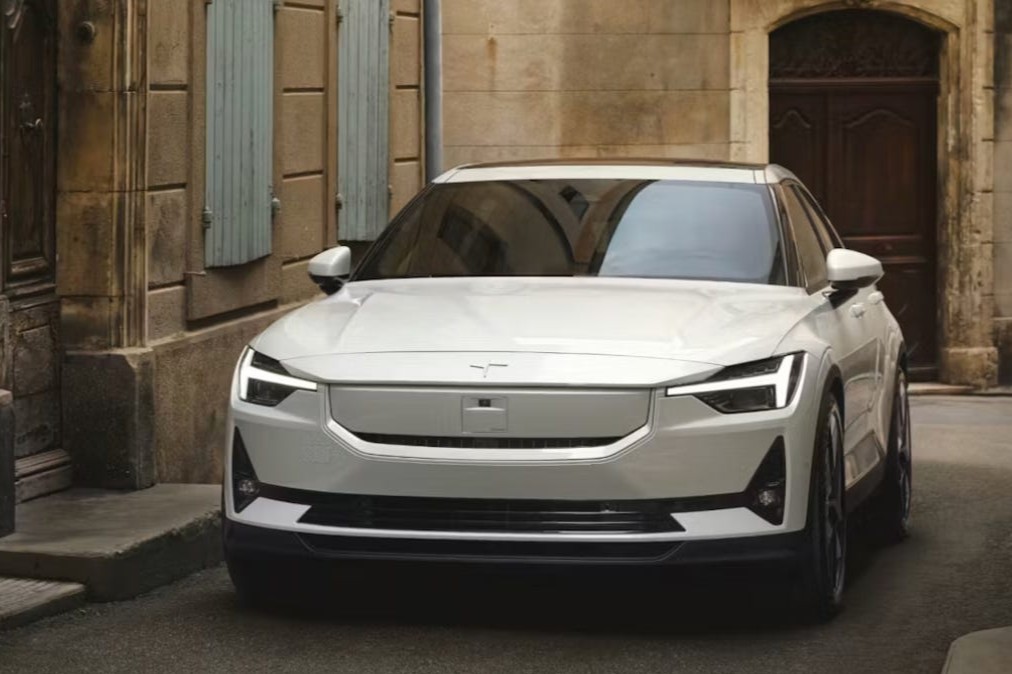
Polestar is not a Chinese badge in the obvious sense. It was born out of Volvo, is based in Sweden and sells itself with clean Scandinavian design rather than bargain-basement disruption.
RELATED: Polestar And Oxford Want To Measure What Driving Actually Feels Like
But it is majority controlled by China’s Geely, and that ownership link has now become the problem.The awkward part is where Polestar’s current US cars actually come from.
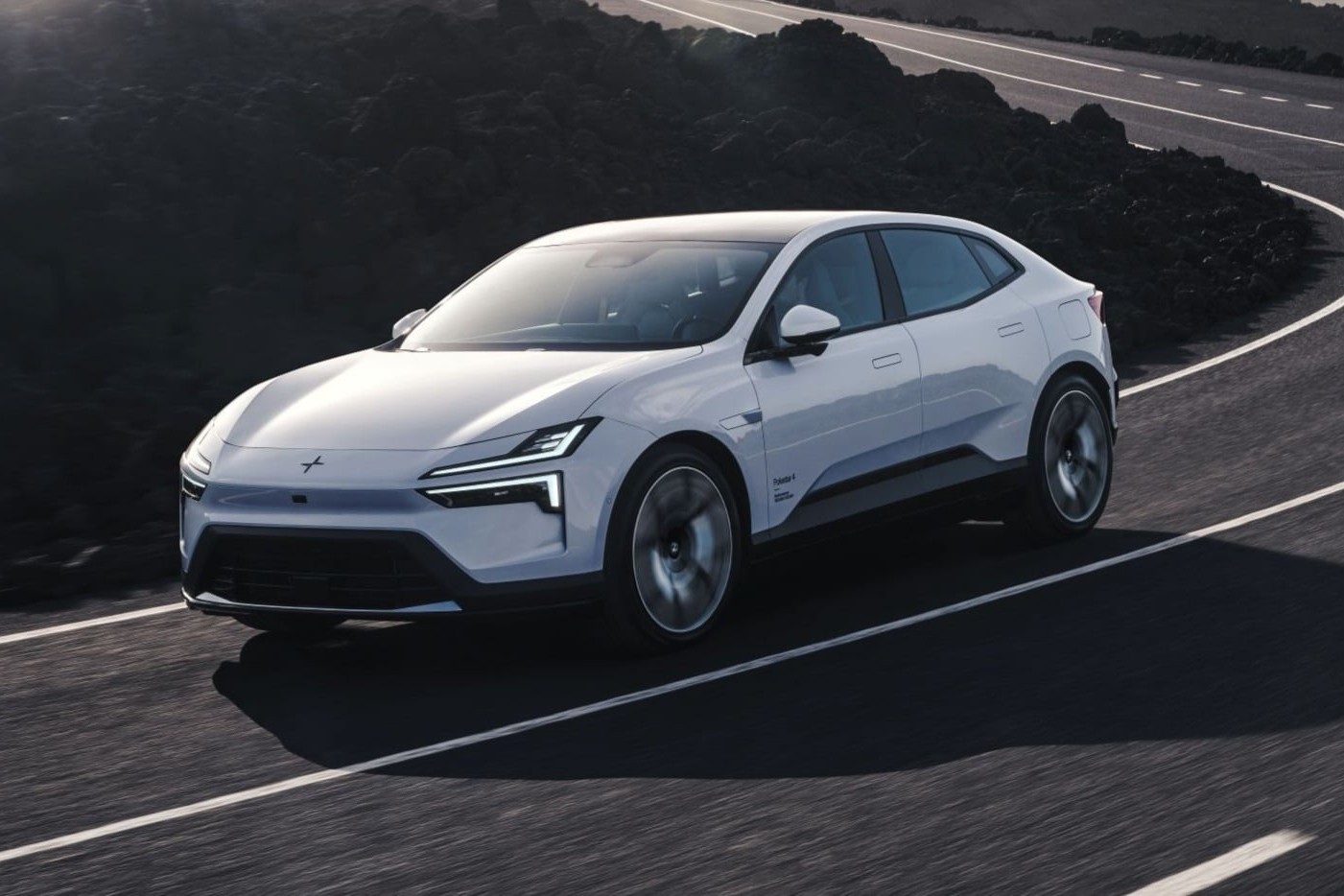
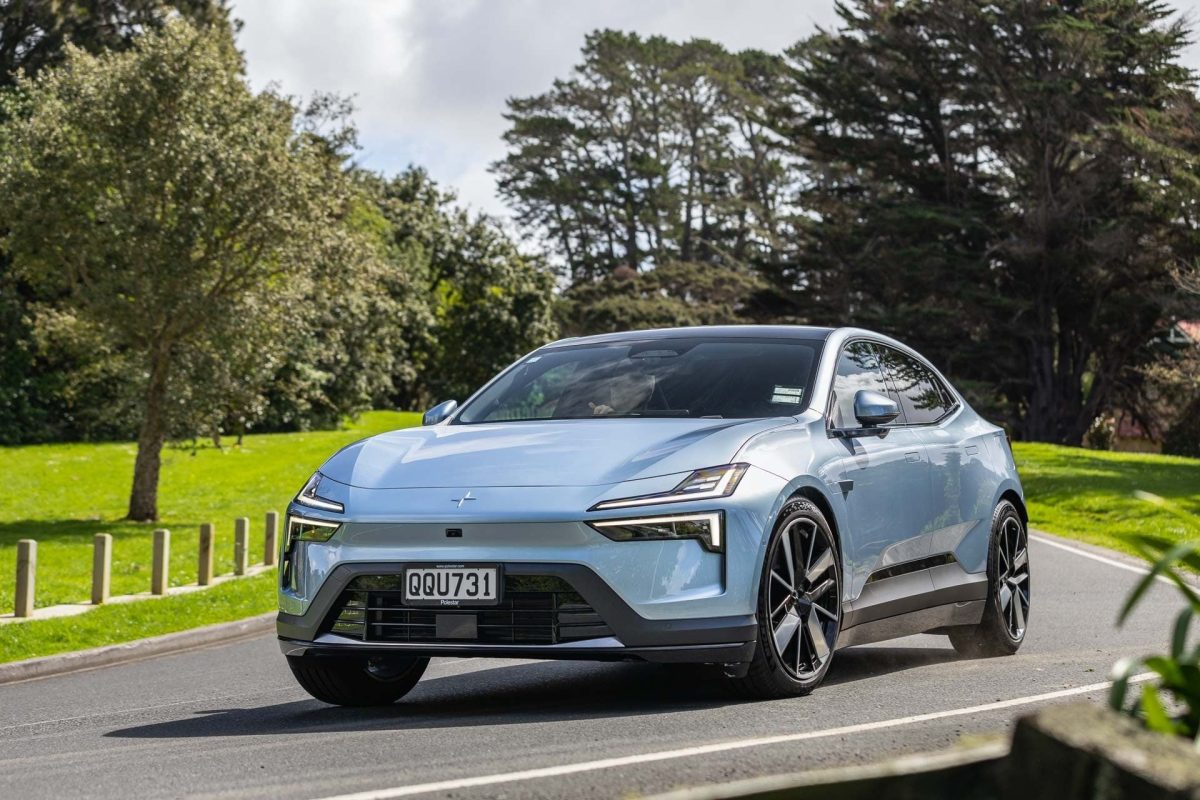
The Polestar 3 is built in South Carolina. The Polestar 4 comes from South Korea. Neither is simply a Chinese-made EV rolling off a ship into an American port. America blocked it anyway.
The Code Matters
This is not a normal tariff story. The Connected Vehicle Rule targets cars with Chinese-linked software, hardware or connected vehicle technology.
That includes the kind of systems modern cars now depend on every day, from cellular connectivity and wireless internet to Bluetooth, cameras, GPS and data systems.
Essentially, the US is no longer just asking where an EV is assembled. It is asking who controls the code behind it.
RELATED: Polestar Wants Its Own BMW M Moment With A New Breed Of Performance EVs
That is the part every carmaker with Chinese money, Chinese suppliers or Chinese software in its orbit will be watching closely.
Polestar had asked for permission to keep selling in the US. The government said no.
Existing Polestar 3 and Polestar 4 stock can still be sold until it runs out, and current owners will continue to have access to service support.
Existing owners are not being abandoned, and remaining cars can still be sold until stock runs out. The harder message is for Polestar itself.
Volvo Got Through
The Volvo comparison makes the decision even more interesting.
Volvo is also majority-owned by Geely, yet it received authorisation to keep operating in the US. That means this is not a simple case of one Chinese-owned parent company being automatically locked out.
RELATED: Polestar’s Next Big Test Is Becoming Popular Without Becoming Ordinary
The decision appears to sit somewhere more specific, around corporate structure, software sourcing, data security and how each brand satisfies American regulators. That makes the precedent more powerful.
Polestar is the first major casualty of this rule, but it probably will not be the last brand forced to prove it is clean enough to stay.
The US was never Polestar’s biggest market. Europe already carries most of its volume, and the company says it will now focus more heavily on Europe and other growth markets.
So this may not kill Polestar. It does change the conversation.
A brand can look Swedish, build one model in America, source another from South Korea and still be treated as too China-linked for the US market. That is the new EV war. Not just batteries. Not just factories. Control.