Sedans are not supposed to look this angry anymore. Most of them are meant to behave. They take people to work, sit quietly in traffic, carry shopping, save fuel and try not to scare anyone in the dealership car park.
Hyundai clearly missed that memo. The new Hyundai Elantra has been revealed in South Korea as the Avante, and it looks less like a sensible compact sedan and more like something that escaped from a sci-fi film with a monthly repayment plan.
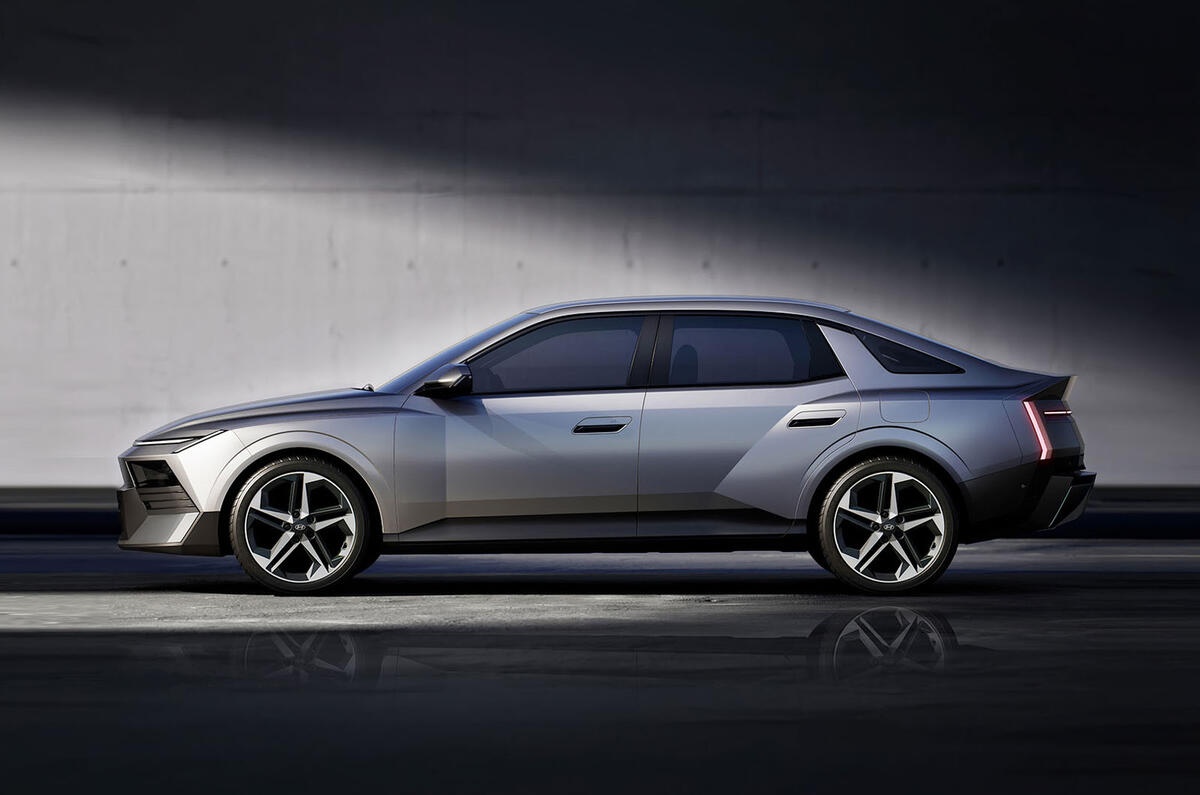
This is the eighth-generation model, and Hyundai has gone hard on its new Art of Steel design language. The result is sharp, angular and far more dramatic than a car in this class has any real need to be.
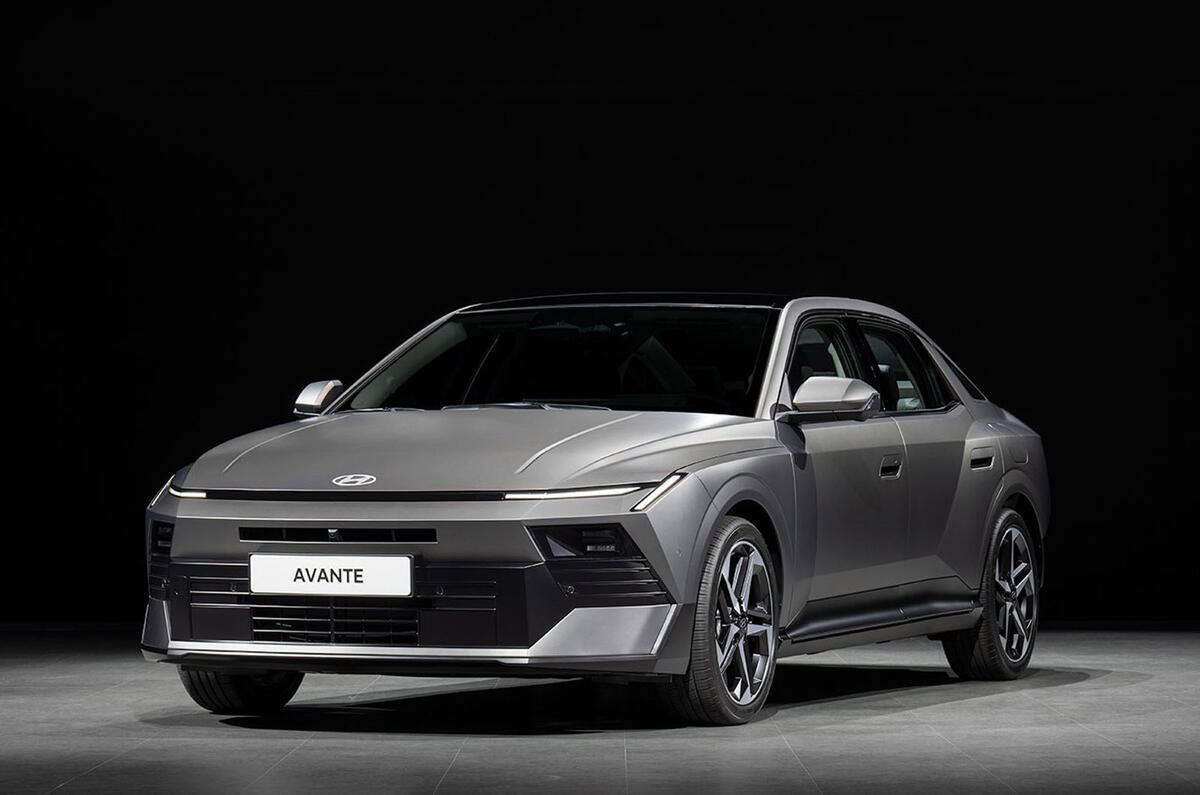
That is exactly why it works. The front end has slim lighting, a broad dark grille and a face that looks more concept car than commuter. The sides are cleaner than before but still heavily sculpted, with defined shoulders and a wedge-like stance.
RELATED: Ioniq 6 N Takes Hyundai’s Electric Performance Up a Level
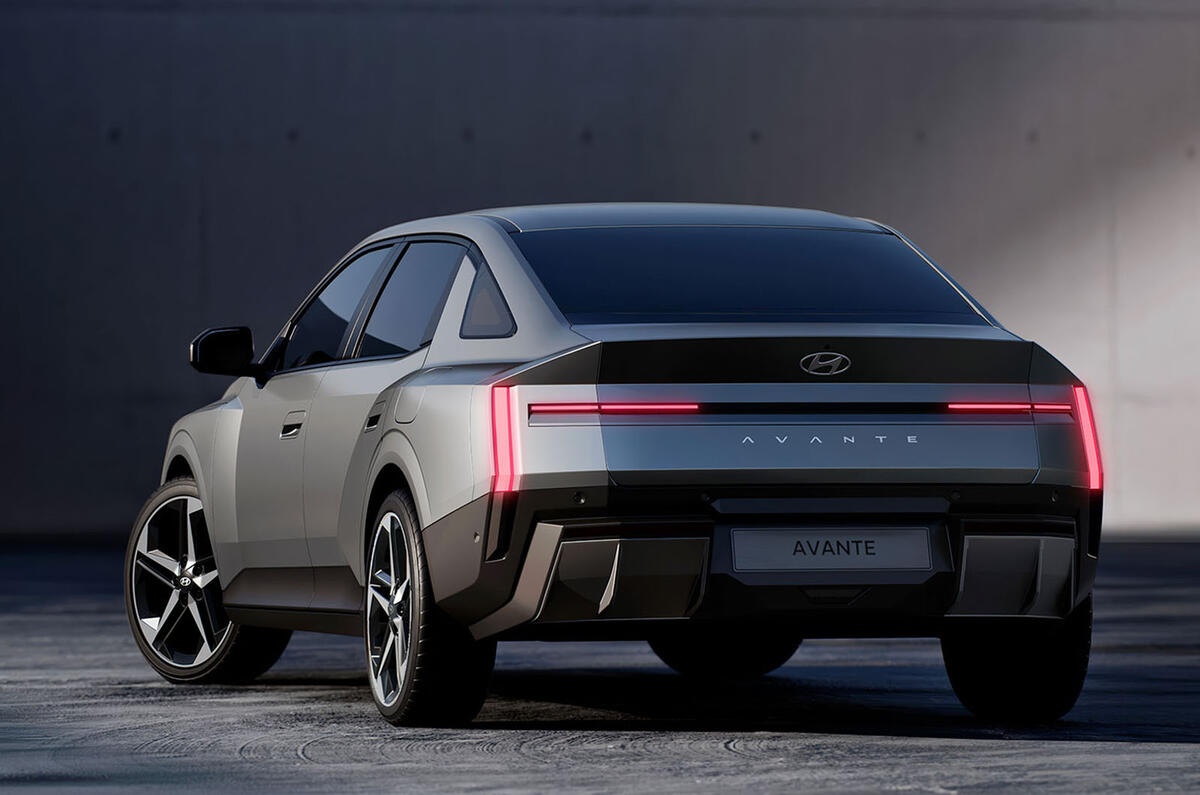
Around the back, the H-shaped lighting signature and boxy tail give the whole thing a futuristic edge.
It is the kind of design that will divide people. Good. Small sedans could use a bit of disagreement.
Hyundai Is Still Taking Sedans Seriously
The interesting part here is not just that the Elantra looks sharper. It is that Hyundai has bothered.
A lot of brands have treated sedans like yesterday’s answer. The money has moved to SUVs, crossovers and anything with a raised ride height. Compact four-doors have either disappeared, become dull or been left to fight over buyers who simply do not want an SUV.
RELATED: Hyundai’s Boulder Concept Is A Bronco Clone, And We’re Absolutely Fine With It
Hyundai has gone the other way. The new Elantra is bigger, wider and roomier than before. It measures 4,765mm long, 1,855mm wide and 1,425mm tall, with a 2,750mm wheelbase. That makes it 55mm longer and 30mm wider than the outgoing model, with an extra 30mm between the axles.
Hyundai says that extra size helps bring the cabin closer to midsize sedan territory.
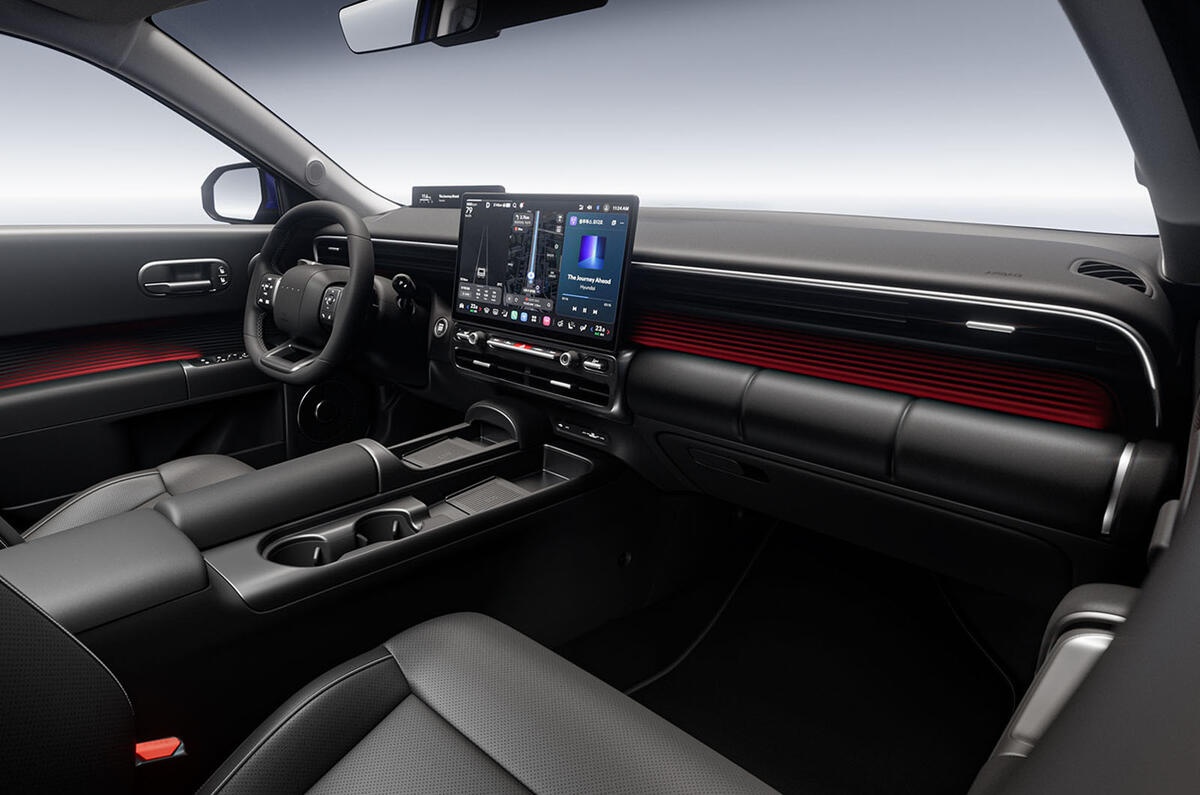
The cabin also feels like a proper step forward. There is a large central screen measuring either 12.9 inches or 14.6 inches, running Hyundai’s Pleos Connect system with an AI assistant called Gleo AI. The instrument display has been pushed high near the windscreen, while the gear selector has moved behind the steering wheel to free up space in the centre console.
Thankfully, Hyundai has not lost its mind completely. There are still physical buttons and knobs beneath the screen for core controls. That may not sound exciting, but in a world where some carmakers think every job should require three touchscreen taps and a prayer, it is worth applauding.
Sensible Engines, Wild Suit
The powertrains are more responsible than the styling. In Korea, the new Avante launches with a 2.0-litre petrol engine producing 147hp and a 1.6-litre hybrid producing 155hp.
The hybrid gets predictive regenerative braking, which uses route information to adjust the regeneration level, along with a Stay Mode that can keep the climate control and infotainment running while the car is parked.
RELATED: Hyundai’s Wild Crater Concept Breaks All the Rules
So no, this is not secretly a super sedan. Not yet, anyway.
There is already talk of a future Elantra N, possibly with a more powerful turbocharged engine, although Hyundai has not confirmed that. Given how aggressive the standard car already looks, an N version could end up being properly interesting.
For now, the new Elantra is doing something more unusual. It is making the normal sedan feel worth looking at again.
This is crucial in a market where too many everyday cars look as if they were designed by committee and softened by fear.
Hyundai has given its compact sedan edges, attitude and enough tech to feel current without turning it into another anonymous screen on wheels.
The new Elantra may still be sensible underneath. It just no longer feels boring.