Polestar has always had the easier job when it was small. Build clean-looking electric cars, talk about design, keep the Volvo connection close enough to be useful but far enough away to feel interesting, and let the brand live in that slightly cooler corner of the EV market.
Now comes the harder part. Polestar wants more buyers.
The Swedish EV maker is preparing its biggest expansion yet, with an estate version of the Polestar 4, a compact SUV called the Polestar 7, the new Polestar 5 GT and a next-generation Polestar 2 all part of the plan. The goal is simple enough: grow from around 60,000 sales in 2025 to 100,000 a year, while moving the company closer to sustained profitability.
RELATED: Polestar And Oxford Want To Measure What Driving Actually Feels Like
Bigger Sales Bring A Bigger Risk
Polestar boss Michael Lohscheller says he is “not worried at all” about the brand losing its premium edge or stepping too close to Volvo. That sounds confident, but it also reveals the central tension. The more Polestar moves into normal SUV and estate territory, the harder it has to work to explain why it is not just Volvo in a sharper jacket.
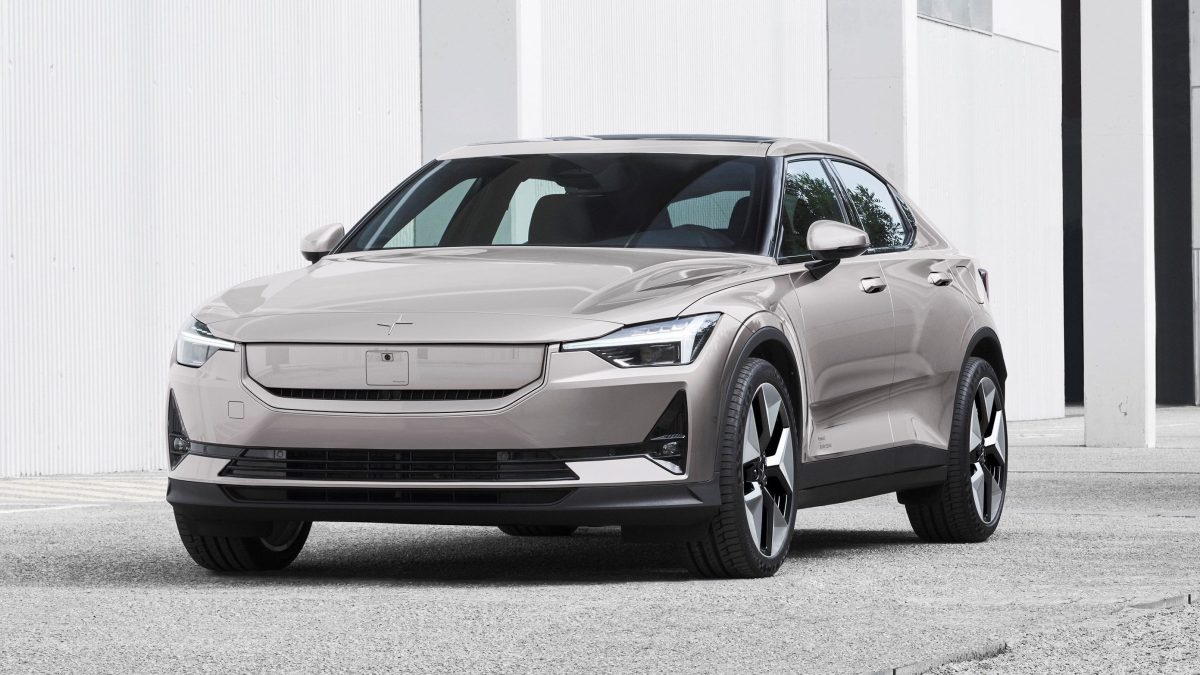
That does not mean the strategy is wrong. In fact, it probably makes sense. Niche EV brands can only stay precious for so long before the bills arrive.
Polestar needs volume, and volume does not usually come from beautiful, low-slung oddities alone. It comes from cars people can actually imagine owning, using and explaining to their partners without needing a design lecture. The trick is keeping the weirdness alive in the right places.
Lohscheller says the brand will rely on design, chassis tuning and its Swedish identity to keep each model distinct, even when it shares platforms and technology across the wider Geely group.
His line about staying in Sweden for the “Polestar DNA” is the kind of thing CEOs say in interviews, but it also matters. If Polestar loses that design-first, slightly icy personality, it loses the one thing that separates it from a growing crowd of competent electric SUVs.
RELATED: Considering a Polestar 4? Here’s 10 Reasons Your Should Consider It for Your Next Car
Polestar Cannot Become Everything To Everyone
The most interesting comment from Lohscheller was not about sales. It was this: “We don’t want to do cars for everybody; we want to do unique cars.” That is exactly the promise Polestar now has to prove at a much larger scale.
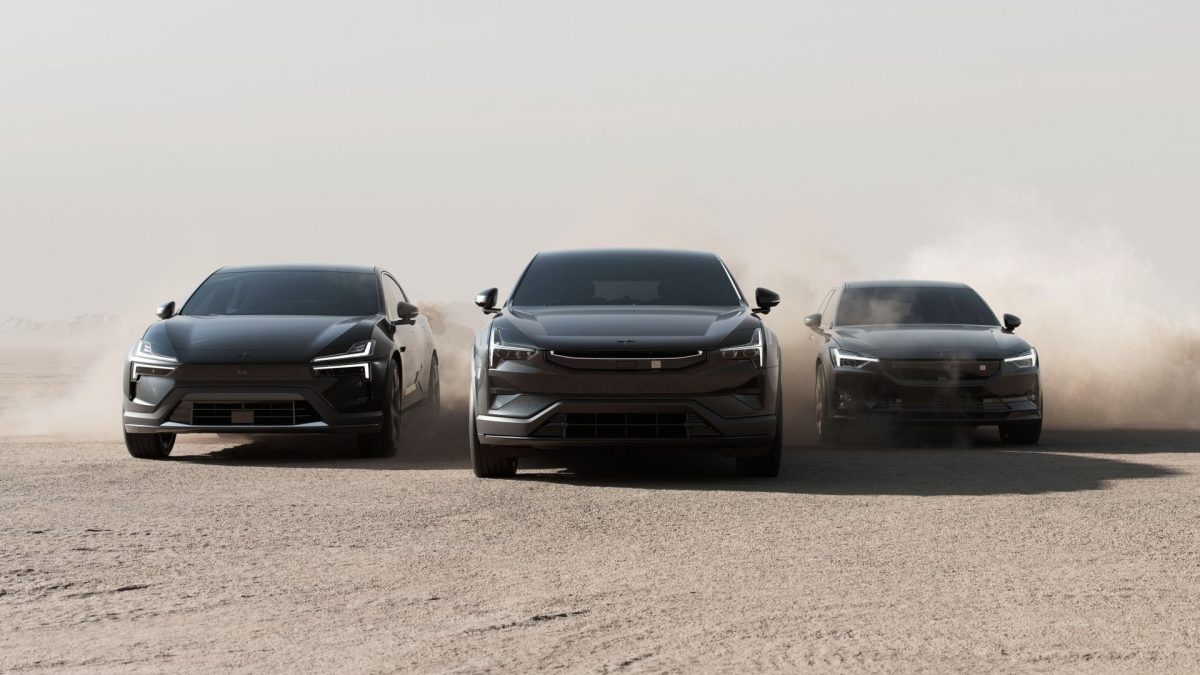
The Polestar 5 can stay special because it is a flagship GT. The Polestar 4 estate has a chance to be genuinely distinctive because estates still carry a bit of enthusiast charm.
The next Polestar 2 should be easier to understand because it already has more than 200,000 global sales behind it. The real test will be the Polestar 7, because compact premium SUVs are where brands often go to grow up and accidentally become boring.
Polestar says it can chase the mainstream without becoming ordinary. That is the whole bet. If it works, the brand gets the sales it needs without losing the cool factor that made people notice it in the first place. If it does not, Polestar risks becoming another EV company with clean lines, shared hardware and a very expensive identity problem.