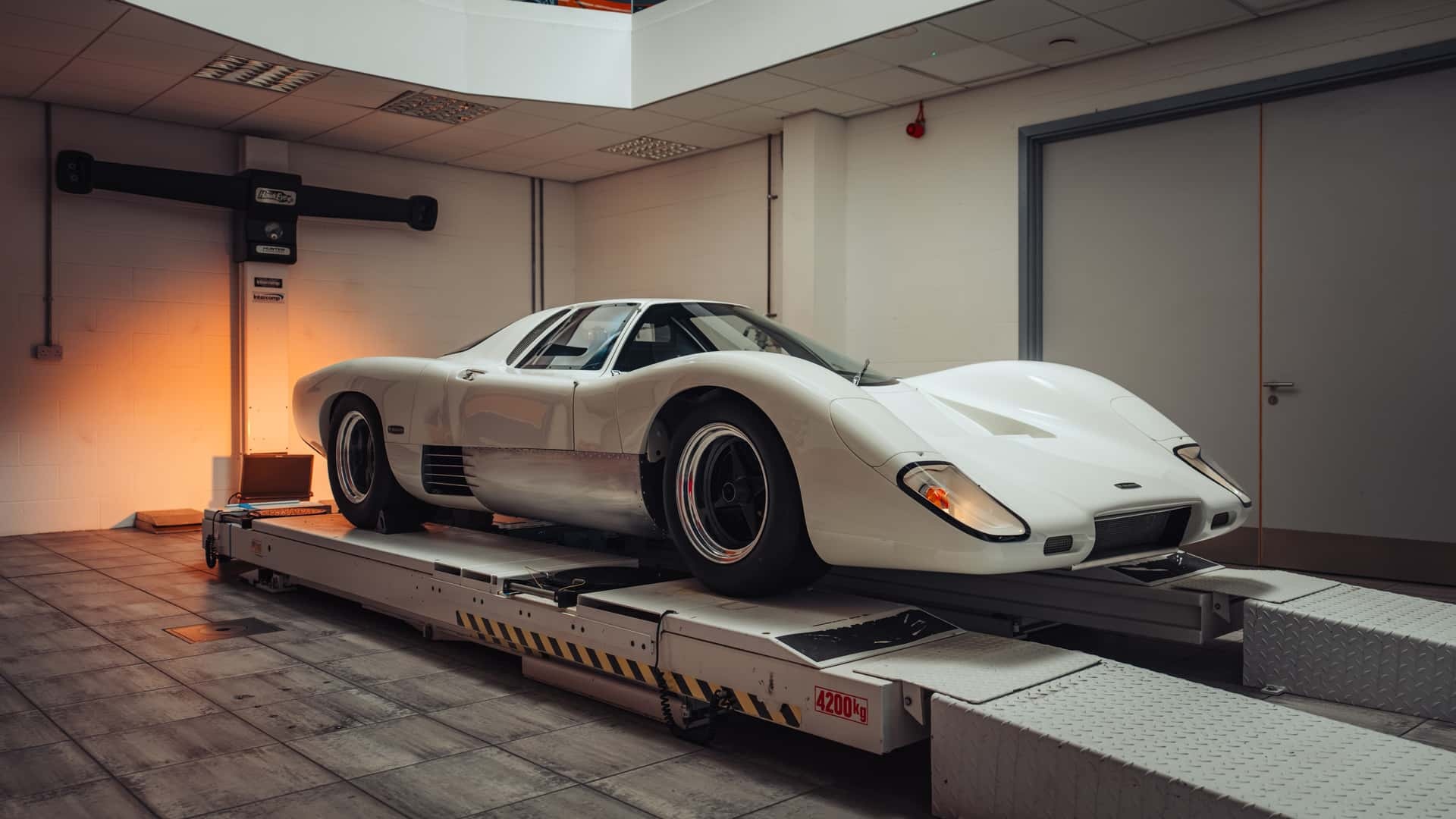
Ask almost anyone what McLaren’s first road car was and they’ll probably say the legendary F1. Technically, they’d be wrong.
More than two decades before the F1 stunned the automotive world, Bruce McLaren had already built a road-going machine called the M6GT.
It was based on the M6A Can-Am race car, and only three examples were ever planned. One even became Bruce McLaren’s personal transport before his death in 1970. The project never reached production.
More than half a century later, McLaren has finally brought it back.
RELATED: Beyond the Icon: Why McLaren’s Artura Is The Supercar For Now
A Time Capsule Built By The People Who Know McLaren Best
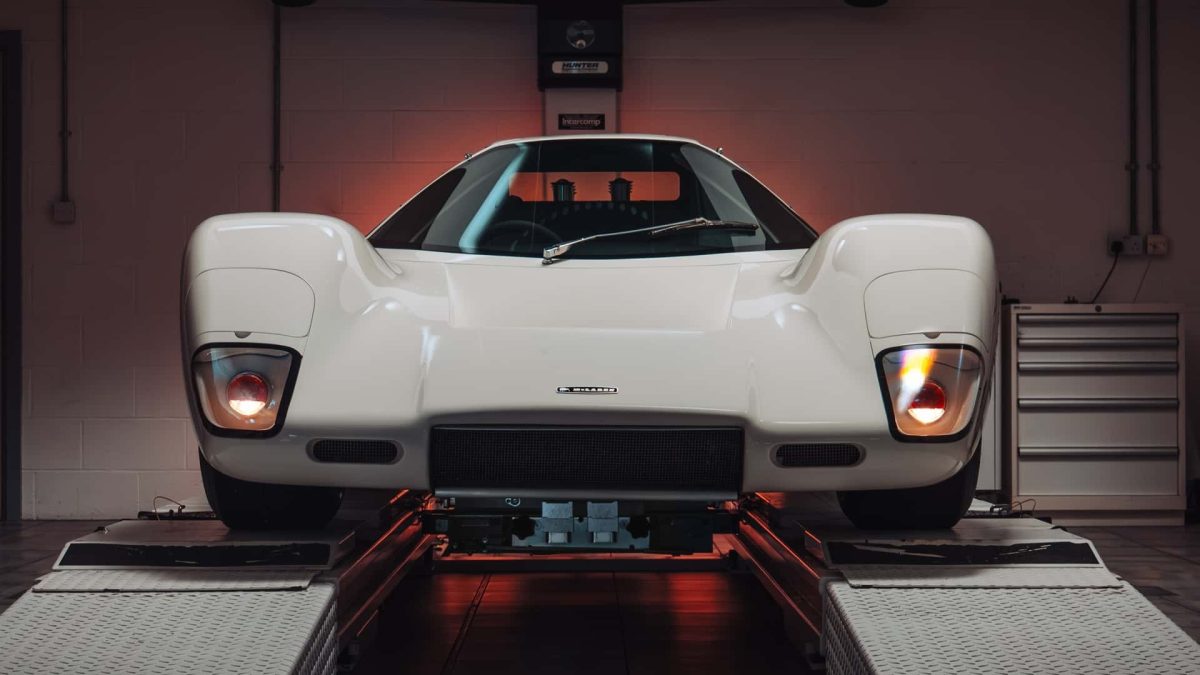
Rather than modernising the M6GT, McLaren Special Operations set out to recreate it exactly as Bruce intended.
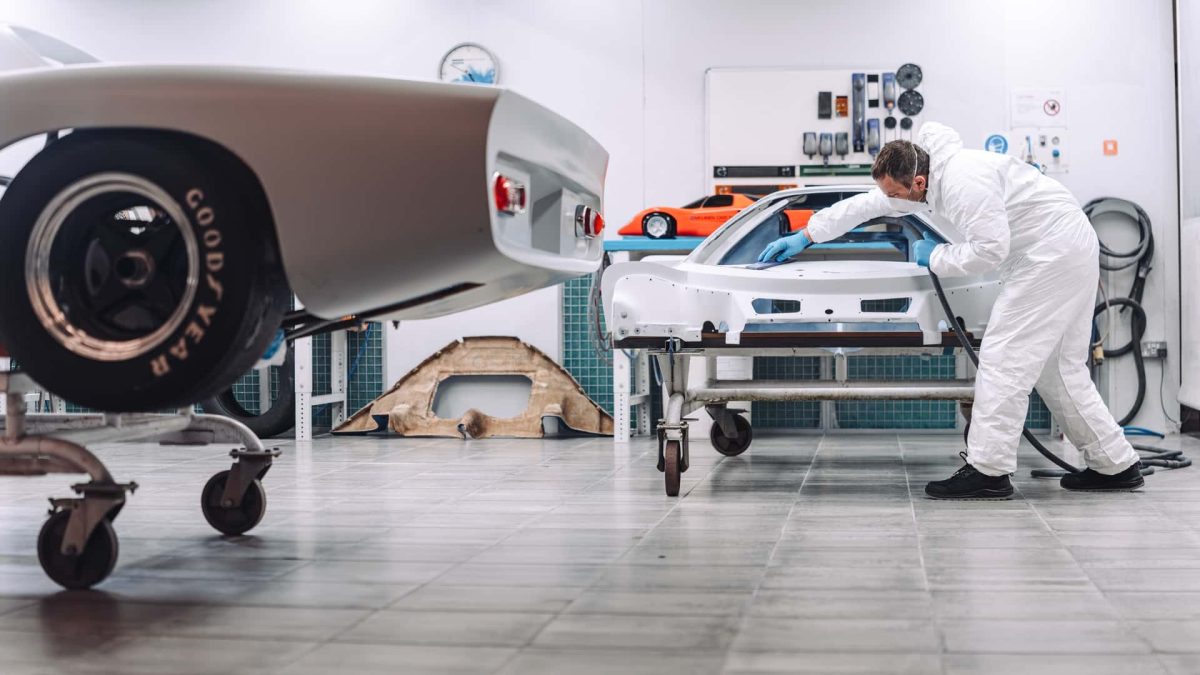
That meant digging through original engineering drawings, photographs and body moulds that had been sitting untouched for decades.
Even the fastening hardware became part of the challenge, with the team sourcing imperial-sized rivets because Britain had stopped using those measurements long ago. The windscreen had to be recreated from scans of the original.
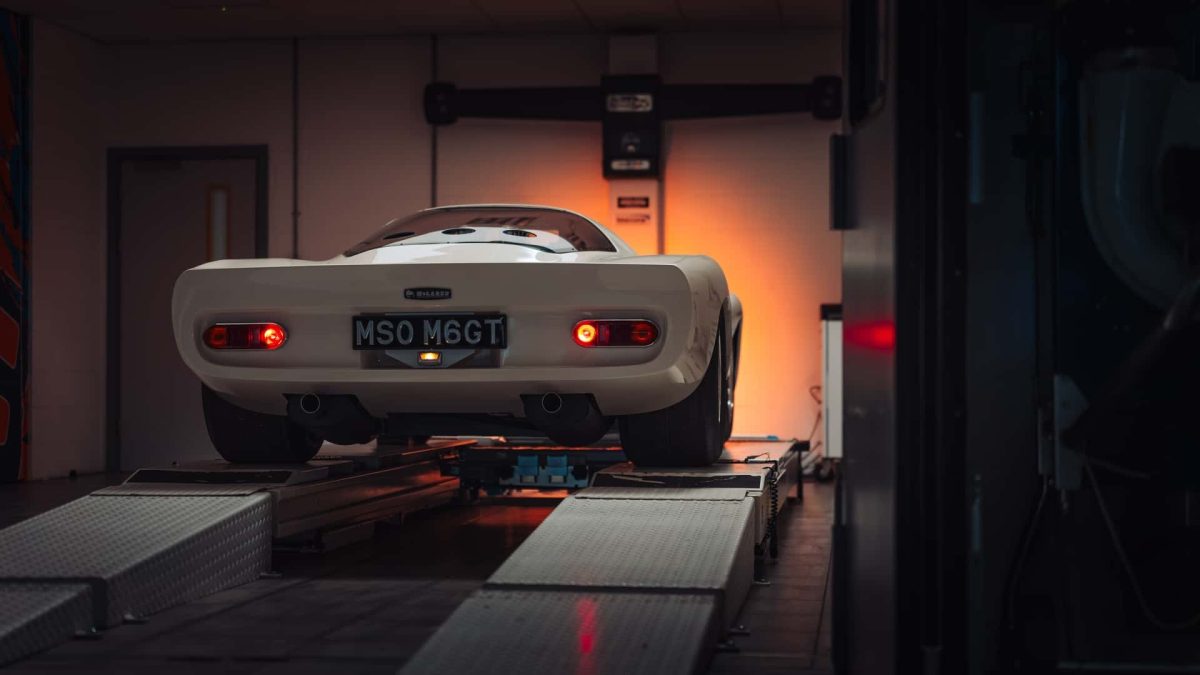
Nothing about this project was simple.
As MSO Director Jon Simms explained, the car became both “a tribute to the very beginnings of the company” and a reminder of Bruce McLaren’s ambition to build cars that existed beyond the race track.
RELATED: McLaren Plots Four-Door to Secure Future
Old-School McLaren In Every Sense
Under the rear bodywork sits the same style of 5.7-litre small-block Chevrolet V8 used by the original, producing around 370 horsepower through a five-speed manual gearbox.
By modern McLaren standards, those numbers sound almost modest. Today’s W1 produces more than 1,250 horsepower.
The Artura packs hybrid technology. The 750S is capable of embarrassing almost anything on a racetrack. The M6GT is different.
Its appeal comes from what it represents rather than what it can outrun.
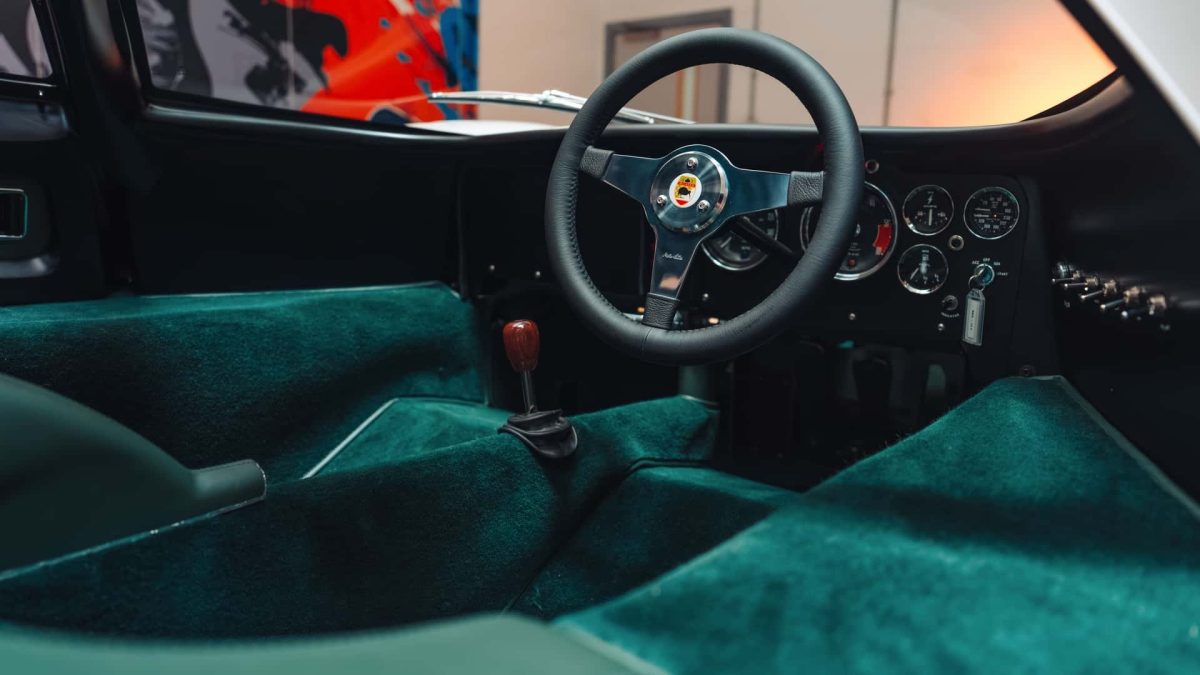
The finished car wears Colnbrook White, named after the factory where Bruce McLaren first developed the project, while the green interior pays tribute to the team’s first Formula 1 car from 1966.
Inside, vinyl seats, a walnut gear knob and simple analogue gauges remind you just how uncomplicated sports cars once were.
RELATED: McLaren 750S Project Viva Turns Vegas Icons Into Hand-Painted Art
Before McLaren Became McLaren
Modern McLaren is entering a new chapter under fresh ownership and preparing its next generation of road cars.
Looking backwards is an easy way to remember what made the company special in the first place.
The M6GT was Bruce McLaren’s first attempt to prove a racing car could also be driven on the road. It never got the chance.
More than 50 years later, that idea has finally received the tribute it deserved. The McLaren F1 may have made history. But the M6GT was where the dream really began.