- BMW and Lexus dominated US luxury sales, finishing first and second by a clear margin
- Mercedes grew slightly but remained far behind BMW in total volume
- Cadillac’s EV surge stood out as German brands lost ground
BMW and Lexus dominated the year, finishing well ahead of the rest of the field. Mercedes-Benz, once BMW’s closest rival in the US, was never truly in the fight. The gap wasn’t narrow. It was decisive.
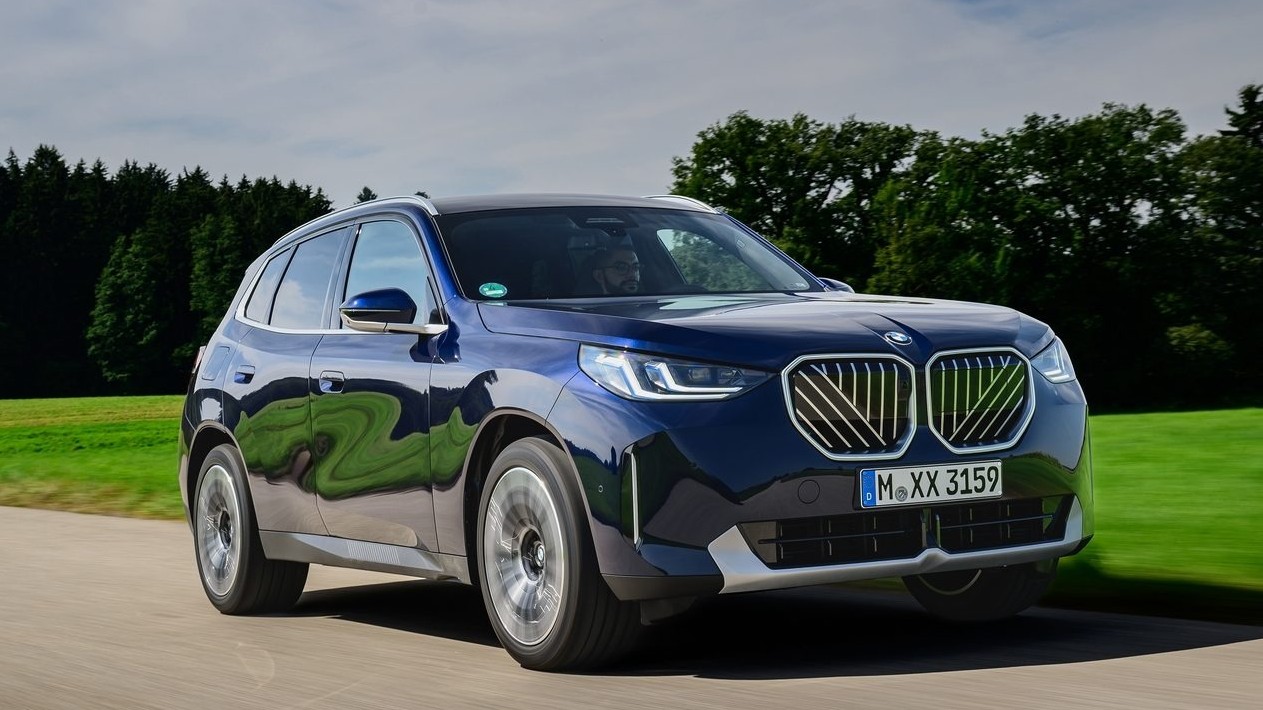
BMW led the market with close to 390,000 vehicles sold, marking growth of nearly five percent year over year. Its X3 model came out on top.
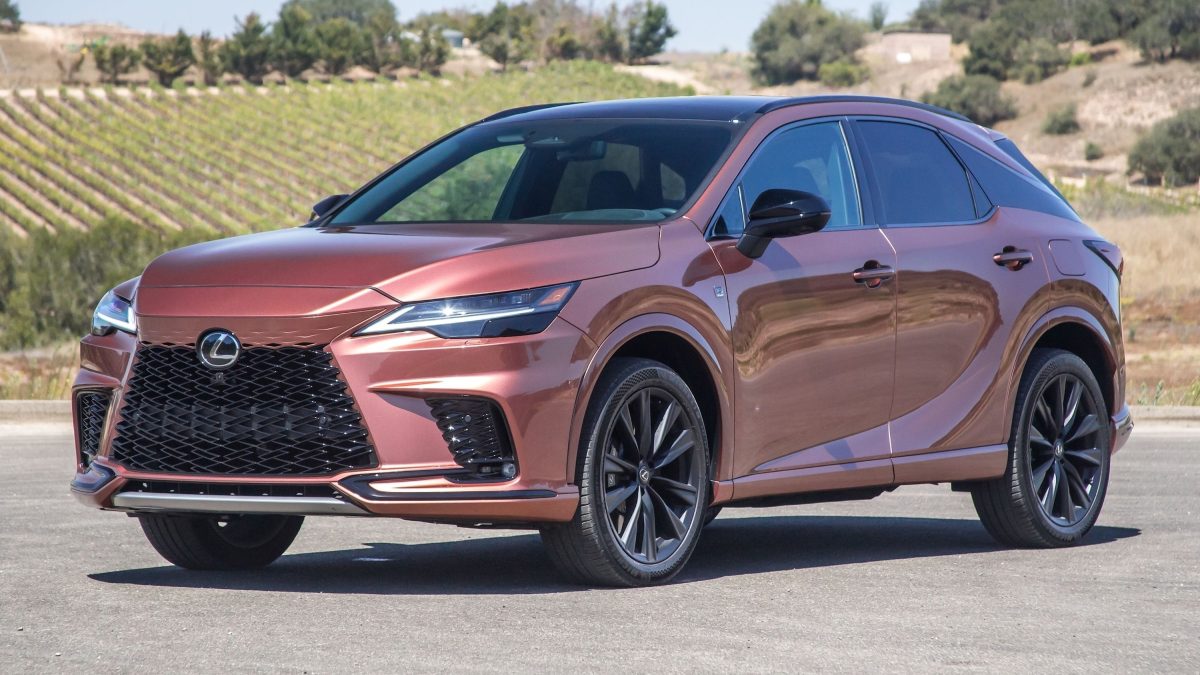
Lexus took second place with over 370,000 deliveries, climbing 7.1%. The turnaround is remarkable because not too long ago Lexus was struggling through a slump rooted in a tired product lineup and lack of features that younger buyers actually cared about. The RX midsize SUV led the charge and proved there’s still plenty of appetite for Japanese luxury when it’s done right.
Mercedes wasn’t even close
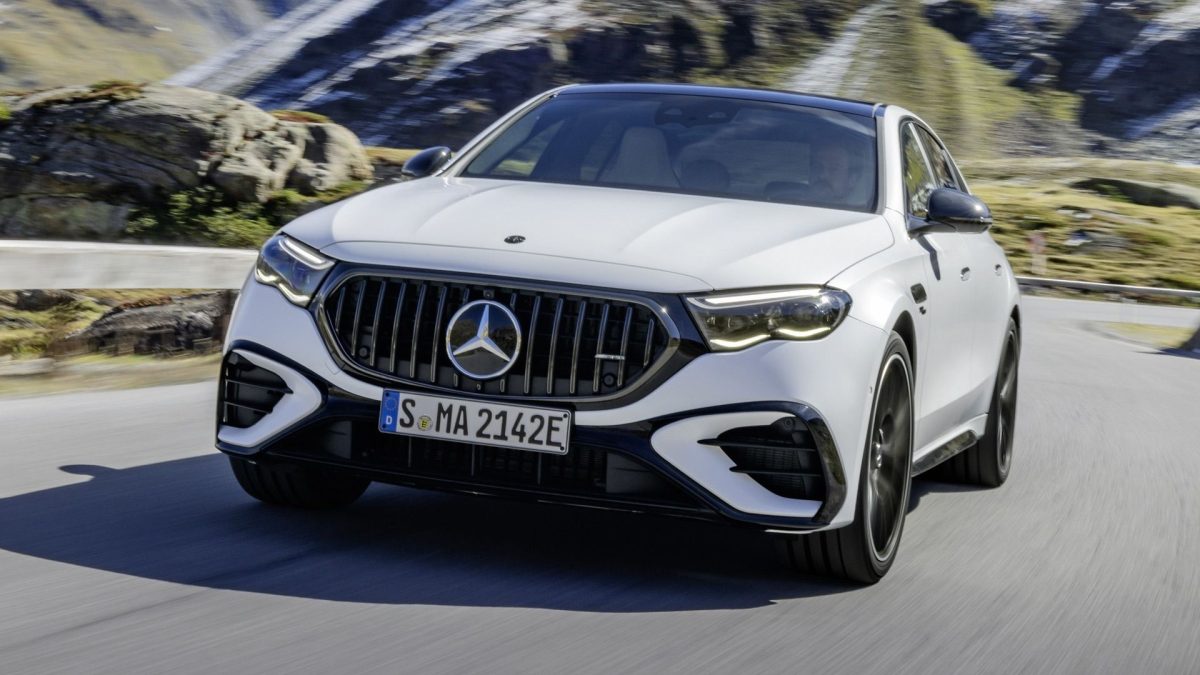
Then there’s Mercedes. The German brand moved just over 303,000 cars, up a modest 1% from 2024. That gap between BMW and Mercedes is enormous and it tells you everything about which brand Americans actually want right now.
For Mercedes, the bright spots were limited. The GLE recorded a 14% increase and the G-Class jumped 26%, but those wins get swallowed by the overall gap BMW has opened. Closing that distance will require serious work, not just refreshed models.
Cadillac finished fourth with over 173,500 cars sold. The real story is its EV sales, which jumped over 28%. Americans are choosing domestic electric cars like Tesla and Cadillac over German alternatives, and that should worry Munich and Stuttgart.
Audi had the biggest fall from grace. Sales dropped 16% to just under 165,000 cars, pushing it further down the luxury pecking order.
Tariffs and China are crushing European brands
The tariffs announced by the Trump administration hit hard, especially for European companies that build outside the US. But the real damage is coming from China, where European luxury brands are getting destroyed by cheaper domestic alternatives.
BMW, Audi, Porsche, and Mercedes have all faced declining sales there, and that revenue collapse is showing up in their global numbers.
BMW has high hopes for 2026. The upcoming iX3 arrives in the US this summer. The next-generation X5 and facelifted 7 Series are also due. It’s shaping up to be another strong year for the brand that’s already winning.
Mercedes and Audi, meanwhile, need more than product refreshes. They need to figure out why American buyers are walking past their showrooms and straight into BMW dealerships.