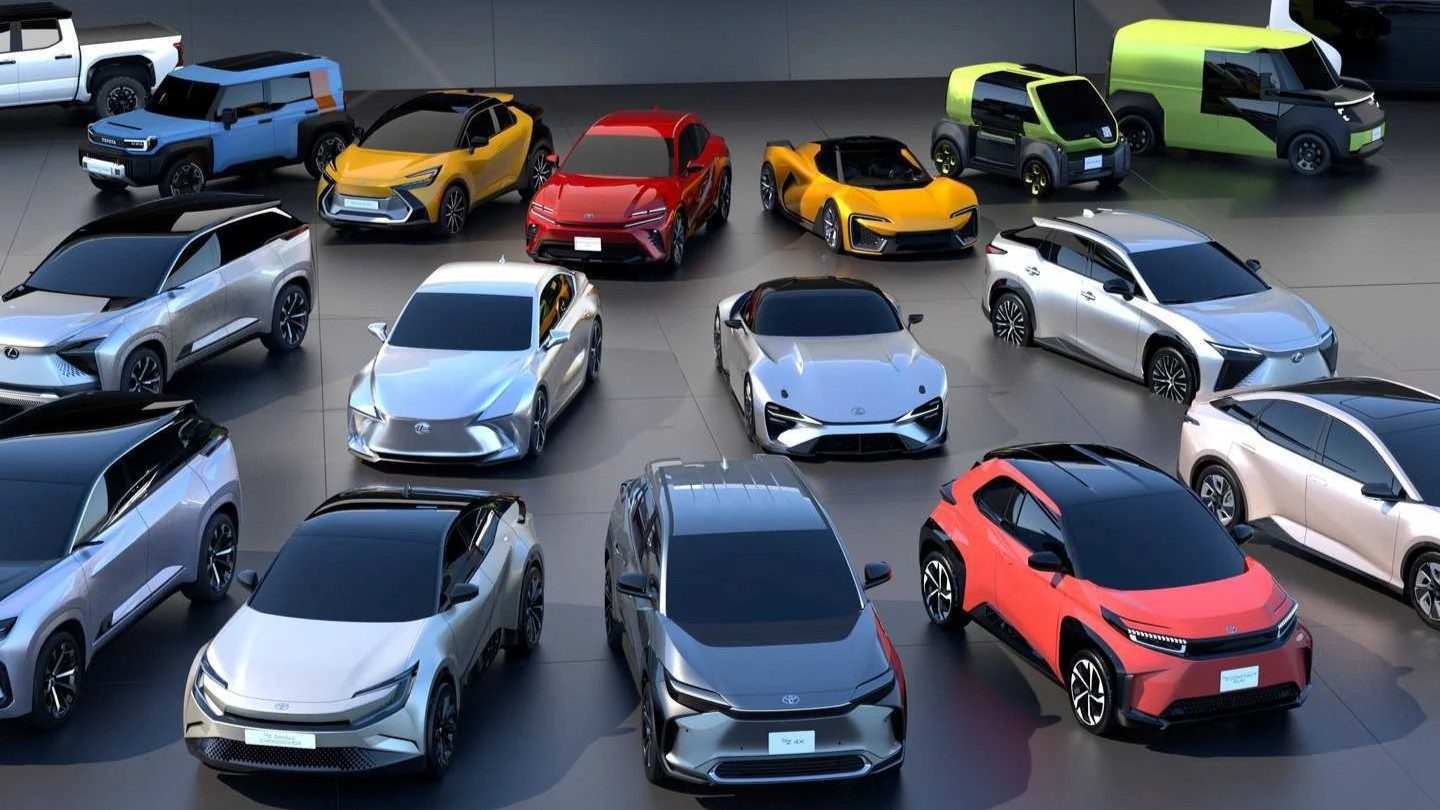
Toyota is swinging for volume leadership in 2026 with a production target exceeding 10 million vehicles globally.
That’s close to the all-time high of 10.03 million units the Japanese automaker hit in 2023.
The ambitious plan comes with a twist: US electric vehicle production gets delayed to the first half of 2026 as Toyota doubles down on hybrids.
The strategy lands as EV demand cools, costs remain stubborn, and policy incentives tighten.
Toyota shares dipped modestly in late trading as investors weighed volume ambition against slower electrification and heavier reliance on Japan-based exports.
Around 3.5 million units will roll off Japanese production lines, exceeding the 3 million annual benchmark Toyota considers essential for safeguarding domestic jobs and manufacturing skills.
After years of chip shortages and supply disruptions, component availability has largely normalised, setting factories up to run near full capacity on high-demand models like hybrids and SUVs.
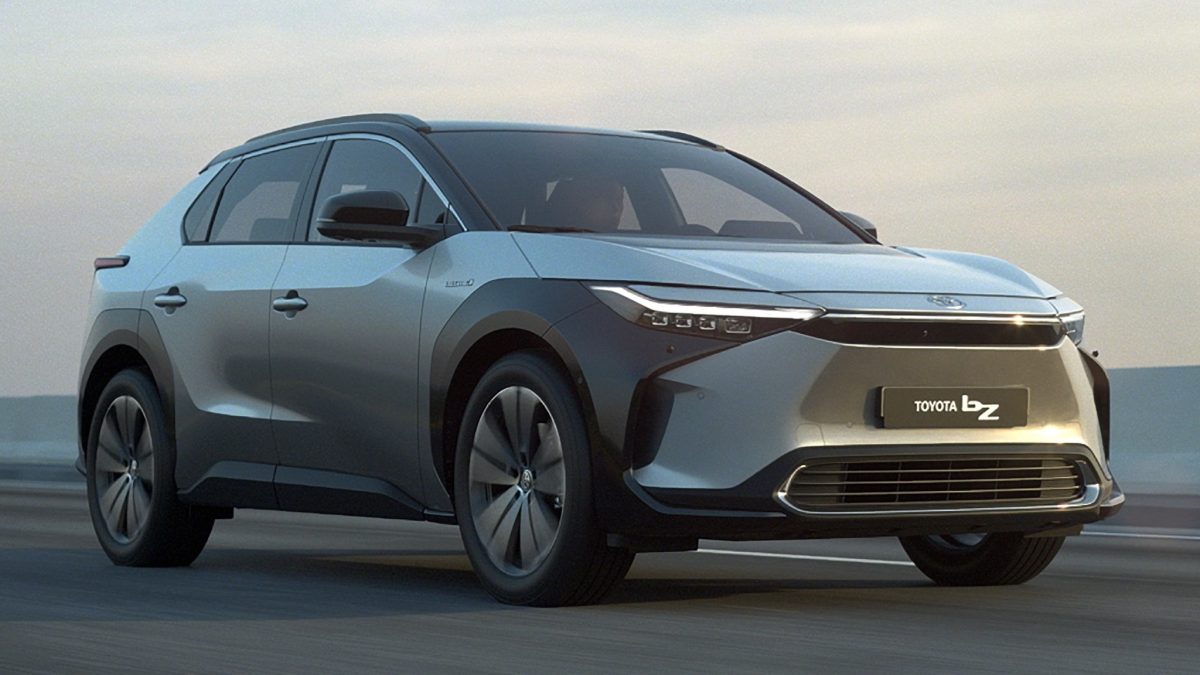
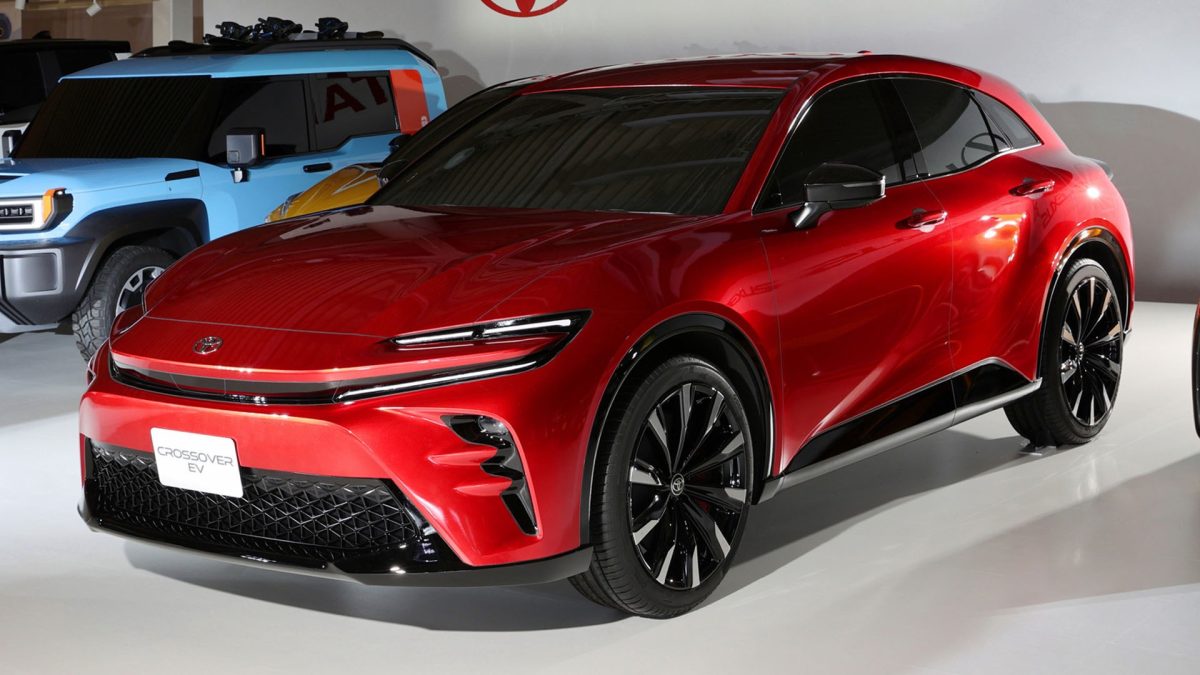
The automaker has delayed US assembly for its first three-row battery EV, opting to ship higher-end variants from Japan in the interim.
That aligns with an earlier cut to Toyota’s 2026 global EV forecast to roughly 1 million units, about 30 per cent lower than prior plans.
EV growth is slower than expected, price wars have compressed margins, and charging infrastructure remains patchy.
Toyota is meeting demand where it actually exists. The company is pumping over $910 million into five US plants to expand hybrid systems, engines, and related components.
Dealers report quick inventory turns for popular hybrid trims as consumers prioritise range confidence and total cost of ownership over pure electric.
Hybrids assembled on existing lines require lower capital expenditure and carry fewer warranty unknowns compared to EVs.
Toyota’s scale in hybrid transaxles and software calibration creates a competitive moat, letting the company price to value rather than chase volume at any cost.
That approach supports operating income even as rivals trim capacity and delay launches.
Shipping premium EVs from Japan helps meet early demand but limits eligibility for full US consumer tax credits tied to North American content rules.
That could widen the effective price gap versus qualifying domestic models.
Toyota’s answer involves using hybrids as price umbrellas while phasing in local content as US EV production ramps.
Battery investments in North Carolina will matter for medium-term compliance and cost control.
Risks remain. Possible semiconductor bottlenecks, uncertainty over China’s demand, US tariffs, and aggressive Chinese EV exports all threaten the plan. Currency dynamics cut both ways.
A weaker yen supports margins on Japan’s exports but raises political pushback risks if import shares climb.
Toyota is threading the needle: defend margins with hybrids, push EVs at a pace the market will absorb, and hold scale above 10 million units.