Renault capped off 2025 by pushing electric vehicle efficiency to new extremes.
The French autofmaker’s ultra-aerodynamic single-seater prototype covered 626 miles on a single charge while maintaining an average speed of 63 mph throughout the 10-hour run.
The Filante Record 2025 finished the attempt with 11 per cent battery remaining, enough for another 75 miles at the same pace.
That would have stretched the total range to 701 miles before running dry, all while operating at realistic motorway speeds rather than crawling along in eco mode.
What makes this achievement especially impressive is the battery. Renault used the same 87 kWh pack found in the Scenic E-Tech SUV, which manages 379 miles under standard conditions.
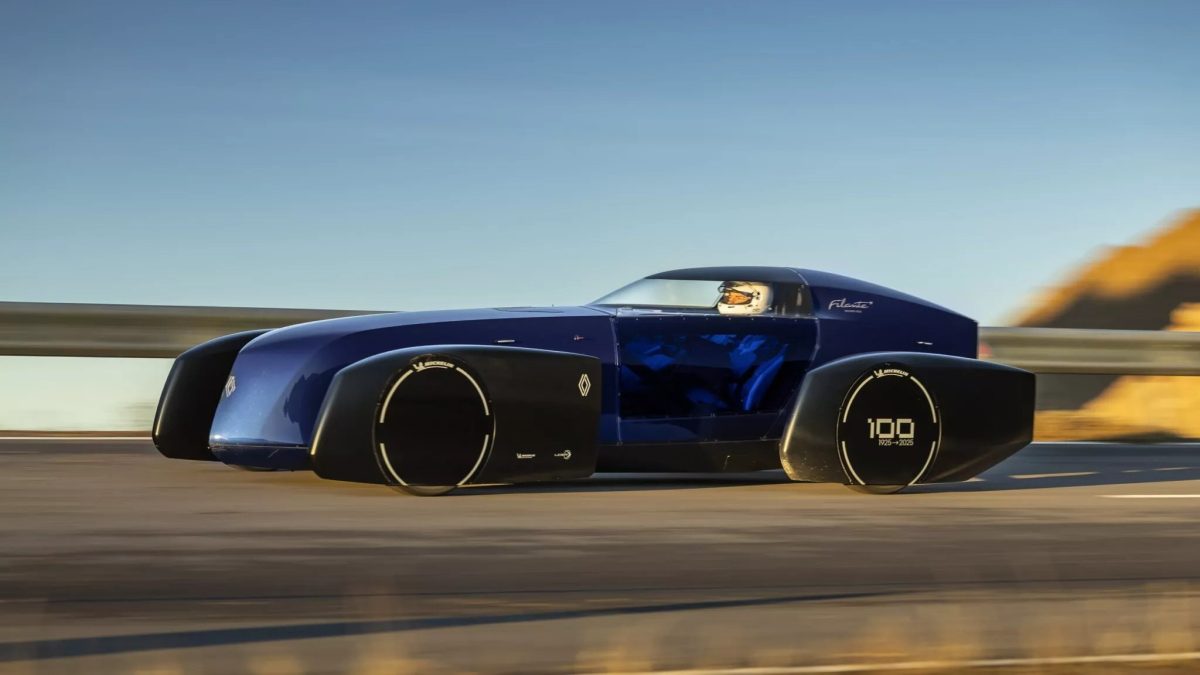
The Filante nearly doubled that range through radical aerodynamics and weight reduction.
The concept weighs just 1,000 kg, roughly half the mass of the Scenic. Carbon fiber, aluminum alloys, and 3D-printed Scalmalloy components keep things featherweight.
Michelin developed bespoke low-drag tires specifically for the project. Steering and braking both operate by wire.
French firm Ligier handled the platform, chassis, and carbon tub integration.
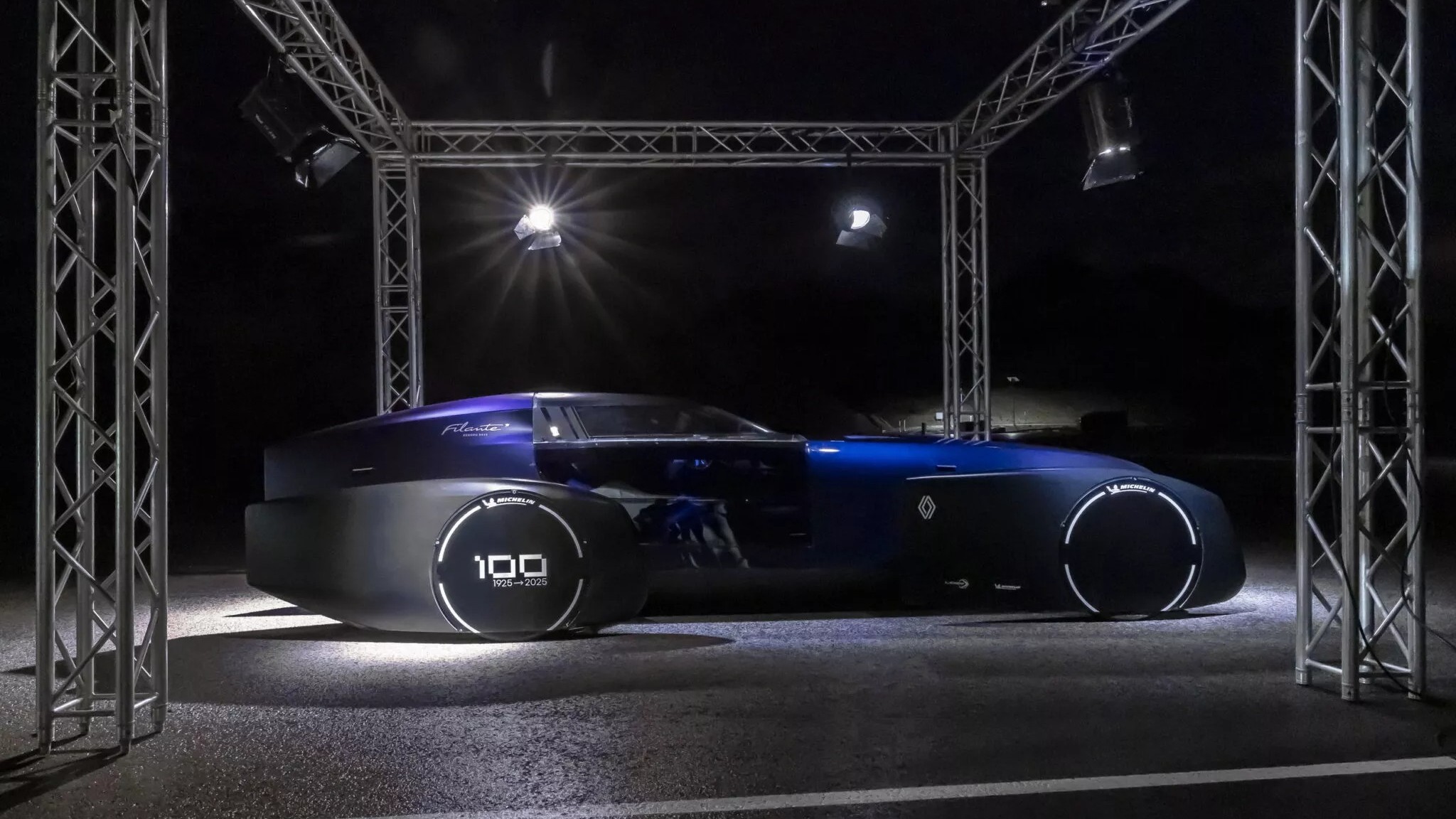
The design draws inspiration from Renault’s record-setters like the 1925 40 CV and 1956 L’Étoile Filante, blending heritage with cutting-edge efficiency.
Getting to this point took longer than planned. Renault first showed the Filante in January with a July record attempt in mind.
Meeting aerodynamic targets proved trickier than expected. By October the prototype was ready, but French weather refused to cooperate.
The team eventually relocated to Morocco’s UTAC proving ground where conditions finally aligned on December 18.
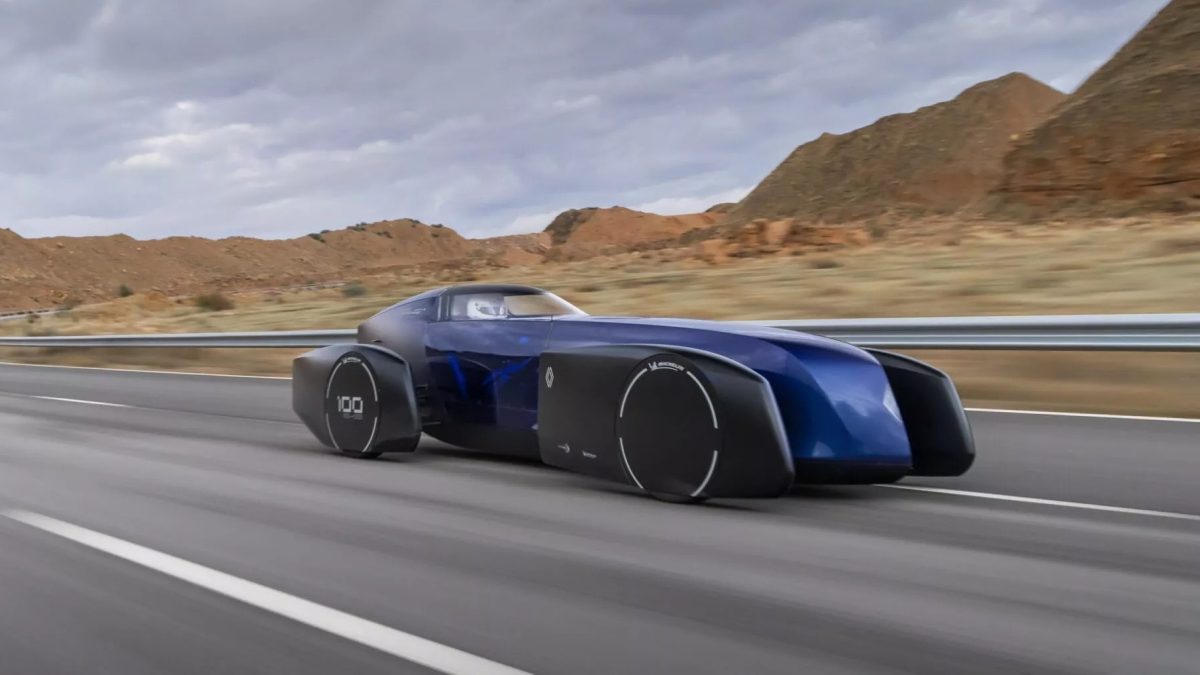
Changes from the original prototype included removing futuristic LED lighting, reducing air intakes, and refining fender shapes.
The extended hood, transparent canopy, aircraft-style tail, F1 driving position, and ultraviolet-blue paint stayed intact.
Three drivers rotated through 239 laps of the 2.6-mile circuit during the 10-hour session. Brief stops for technical checks and driver changes were the only interruptions. No charging happened.
The Filante posted energy consumption of 7.8 kWh per 100 km, nearly half the Scenic’s 14.1 kWh official WLTP figure.
Renault emphasised the real-world relevance over outright distance records. Engineers were tasked with exceeding 68 mph average speed while covering 620 miles in under 10 hours. Mission accomplished.
The company plans to apply insights from the Filante to future production EVs, particularly for long-distance highway driving where efficiency matters most.
This wasn’t just a publicity stunt but a genuine testbed for technologies that could improve everyday electric vehicles.