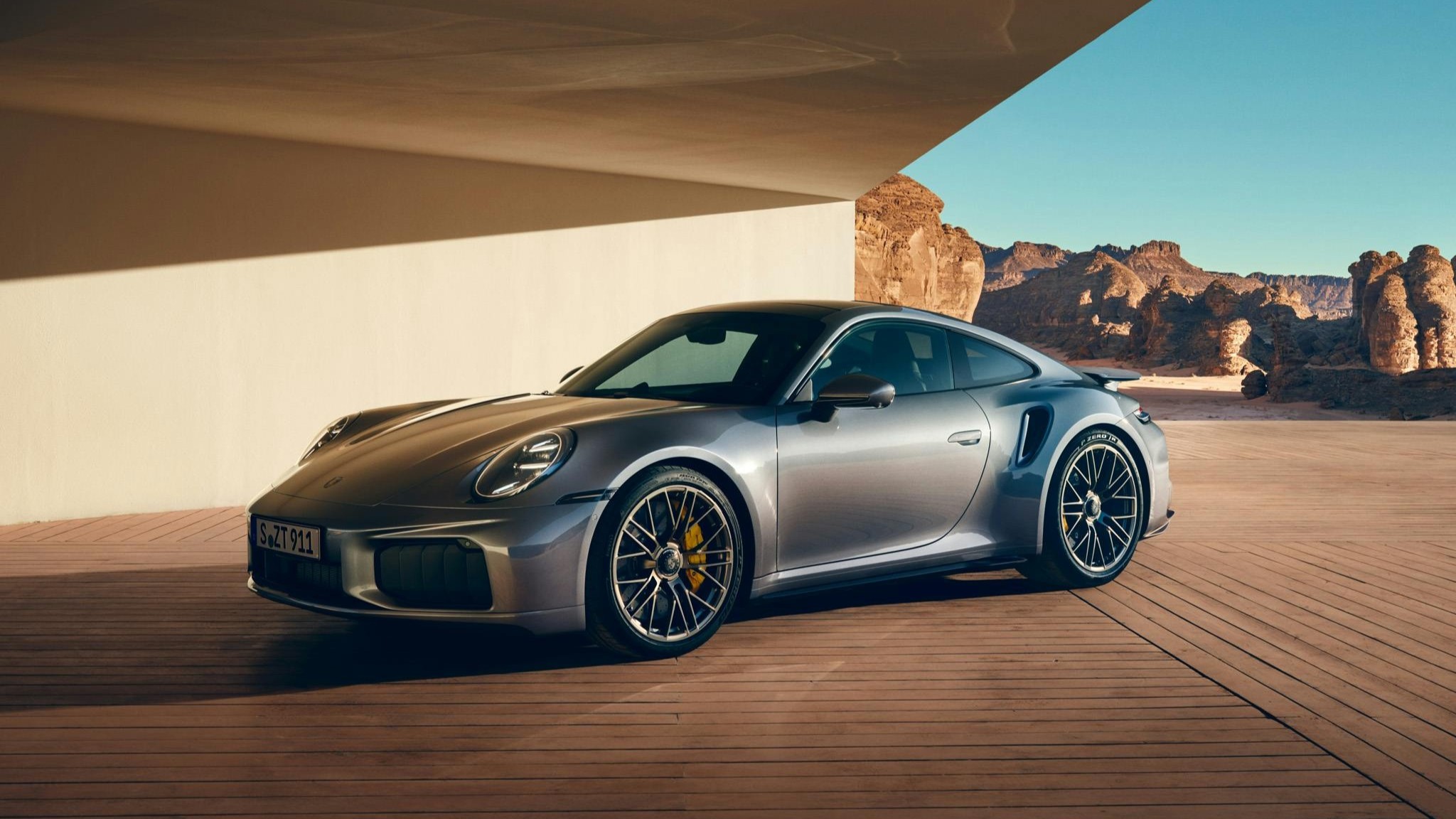
Porsche built its reputation on desire. Not discounts. Not volume. Not being everywhere.
Because of this, its latest strategy feels like a reset rather than a normal business update. After years of chasing growth, electric expansion and a broader model range, Porsche is now talking about something much simpler.
Sell fewer cars if it has to. Make more money from the ones it does sell.
The numbers explain the change. Porsche delivered a record 320,220 cars in 2023, but by 2025, that had fallen to 279,448. Demand kept sliding in early 2026, with first-quarter deliveries down 15 per cent.
RELATED: Porsche’s 2025 Sales Slump Exposes a Brand Caught Between EVs and Reality
Worse still, profit margins fell to just 1.1 per cent. For a company that has long sold itself as one of the most profitable names in luxury performance, that is a serious warning light.
Fewer Cars, More Porsche
New CEO Michael Leiters is not trying to hide the problem. His message is that Porsche has become too complicated. Too many variants, too many costs, too much pressure from markets that no longer behave the way they used to.
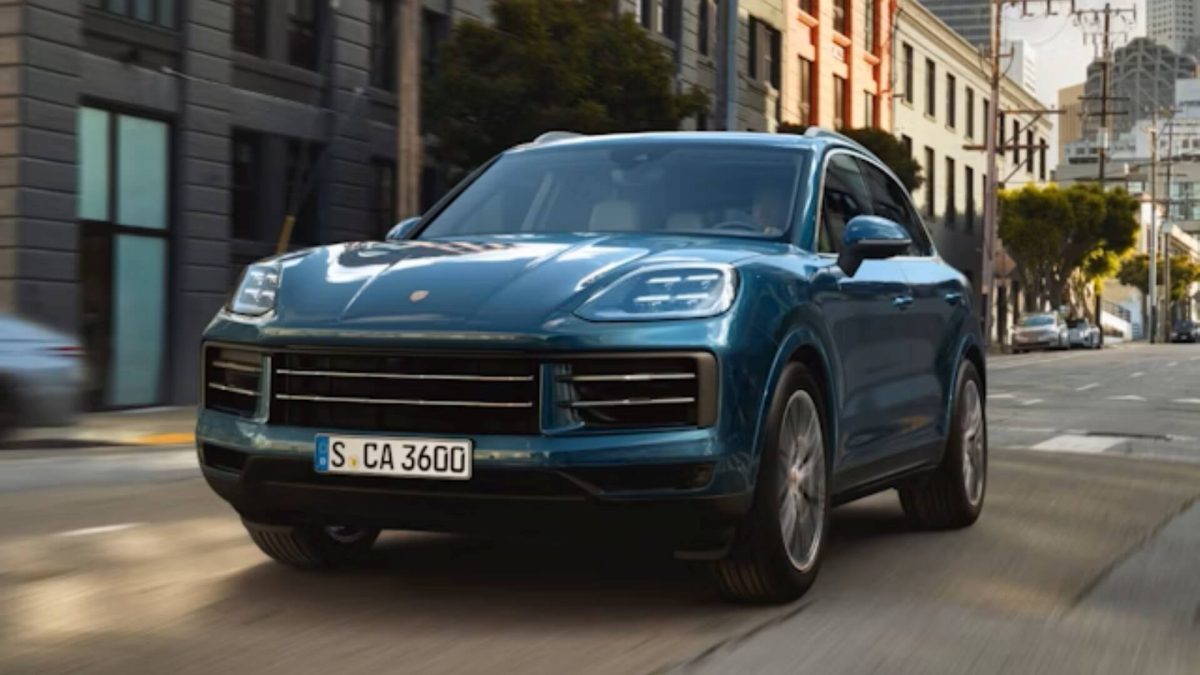
China is the clearest example. Porsche sales there fell 26 per cent in 2025 as local brands gained ground with cheaper, tech-heavy electric cars.
Xiaomi and others are now offering fast, digital-first SUVs that make even Porsche’s premium image less automatic than it once was. That has forced Porsche to rethink what actually makes people want the badge.
The answer from Stuttgart appears to be less sprawl and more focus. More sports car DNA. More exclusivity. More discipline around the cars that make sense, and fewer variants that add cost without adding enough value.
RELATED: Porsche Gave Two 911 S/Ts the Same Badge and Turned a Mistake Into History
In the US, Porsche has already dropped both Taycan wagon variants. The company is also expected to reduce complexity across the wider range, while leaning more heavily on platform sharing inside the Volkswagen Group.
The 911 remains protected. Leiters has made clear there will be no fully electric 911. In its place, Porsche will use more hybrid technology to keep its most famous model alive without cutting it off from the character buyers still expect.
The Comeback Will Not Be Comfortable
Porsche is not giving up on electric cars.
The Cayenne Electric is still part of the plan, and the 718 Boxster and Cayman are expected to return. But the old idea of Porsche rapidly turning into a mostly electric brand has clearly softened.
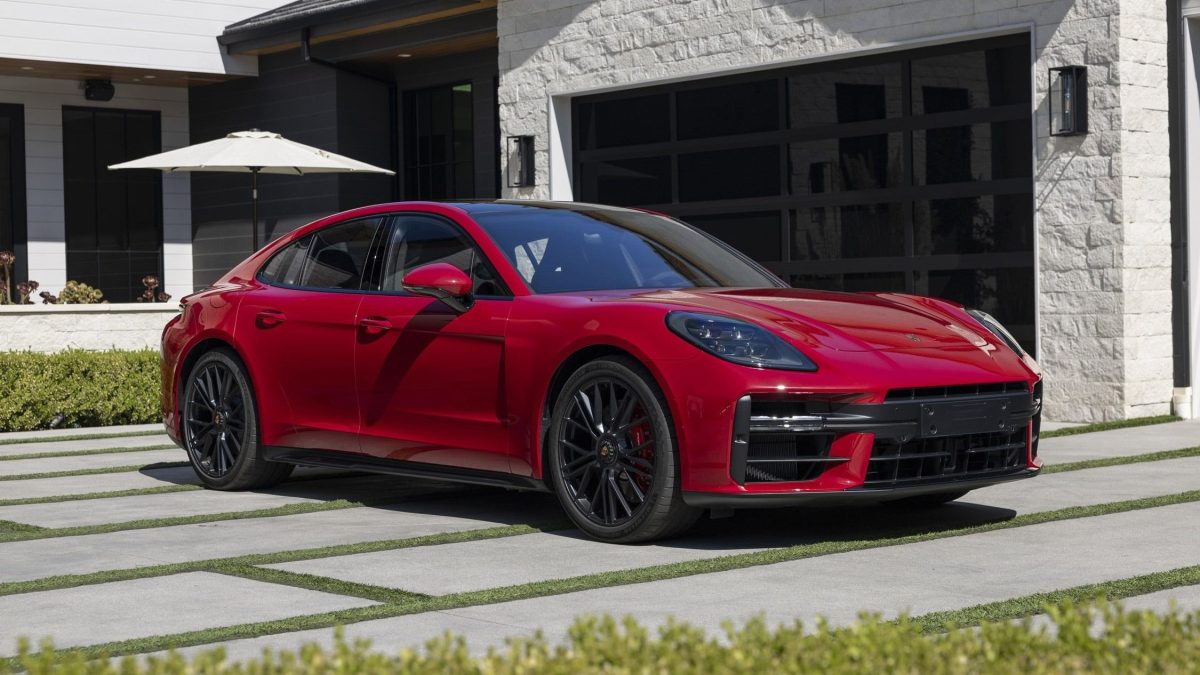
There are bigger questions too. The future of Porsche’s planned three-row flagship SUV is now uncertain, while investors are still waiting for clearer answers on China, software and long-term growth. That is the uncomfortable part of this reset.
Porsche wants to become leaner, sharper and more profitable, but it also has to prove that going back to its core strengths is enough in a market that has changed quickly.
The brand is betting that scarcity still works. That people will pay more for a Porsche that feels more focused, more exclusive and less diluted.