Britain’s government is throwing serious money at electric vehicle adoption.
A $2 billion package set for announcement in next week’s budget aims to accelerate the transition away from combustion engines, with most funds directed toward making EVs more affordable for everyday drivers.
The Electric Car Grant scheme launched in July and has already helped over 35,000 drivers make the switch by cutting upfront costs up to $4,900.
The new budget extends that program with an additional $1.7 billion in funding, recognising that high purchase prices remain the biggest barrier for consumers considering EVs.
Another $260 million will speed up charging infrastructure rollout across Britain.
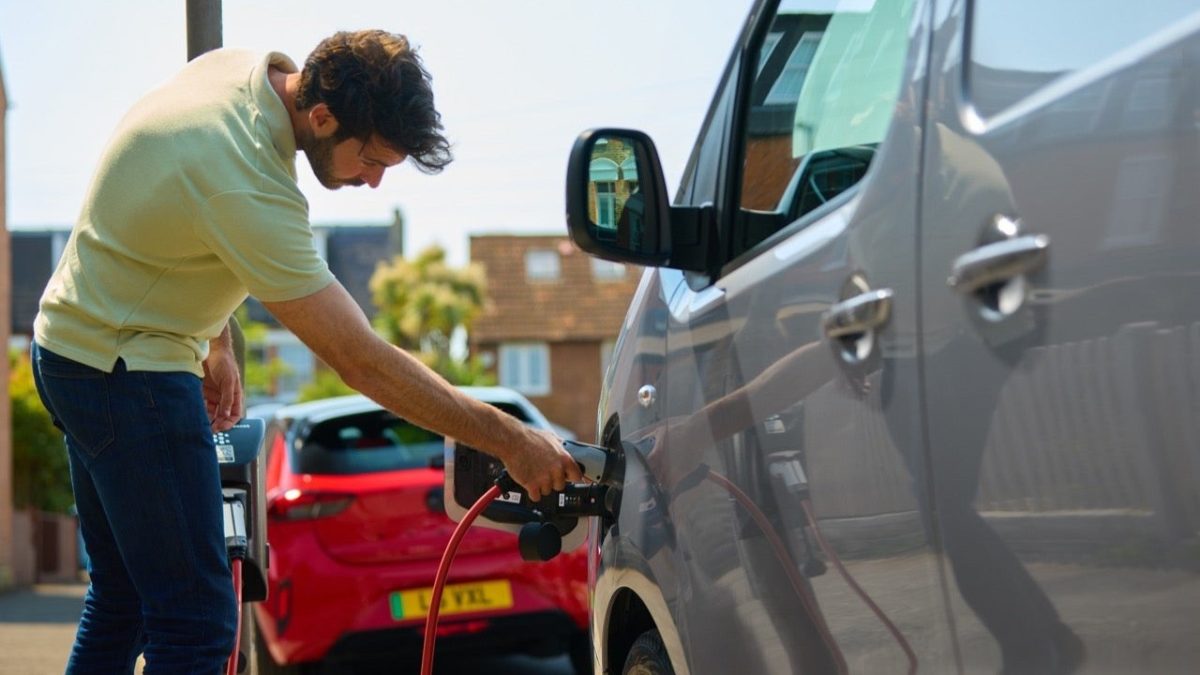
The investment targets one of the key pain points holding back wider EV adoption, particularly for drivers without home charging options.
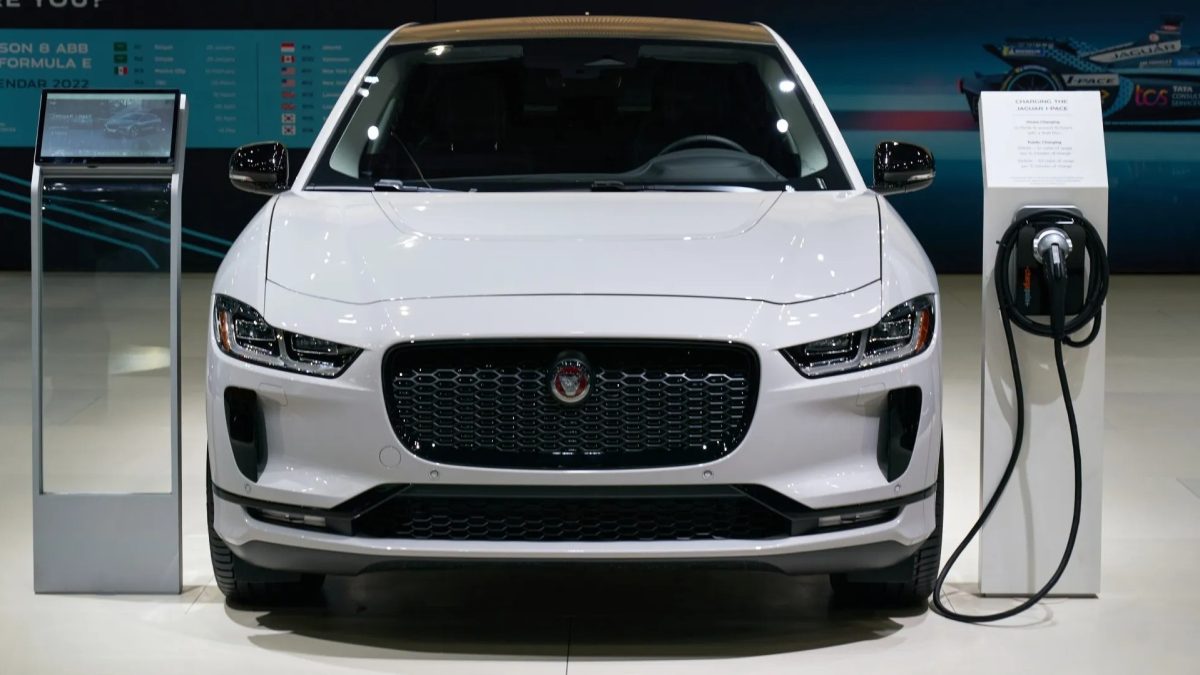
The push comes as Britain races toward its 2030 deadline for phasing out new petrol and diesel car sales.
That’s part of the wider goal to achieve net-zero greenhouse gas emissions by 2050. The pressure is real.
Under the zero-emission vehicle mandate, manufacturers must ensure at least 28% of new cars sold this year are pure electric.
That requirement climbs annually, hitting 80% by 2030. Missing those targets carries serious consequences.
Recent sales data show EVs captured 22.4% of the new car market in the first 10 months of this year.
August saw a spike to 26.5% immediately after the grant scheme launched, suggesting financial incentives genuinely move the needle.
Not everyone’s celebrating. The opposition Conservative Party slammed the move as tone deaf spending priorities.
Richard Holden, their transport policy chief, called it “big-spending nonsense” while ordinary families face increased taxes and spiralling inflation under Labour.
“The government’s priority is handing out discounts on new electric cars,” Holden said, framing the investment as misplaced generosity during economic strain.
The political criticism aside, Britain faces a genuine challenge.
EV demand has stalled despite the looming 2030 cutoff. Consumer hesitation centres primarily on upfront costs, which is exactly what these grants address.
Whether $2 billion proves enough to overcome buyer resistance and meet ambitious targets remains uncertain.
The funding represents a substantial commitment, but the clock is ticking on that 2030 deadline, with adoption rates still trailing mandate requirements.