Toyota just redesigned the RAV4, and every single version now comes with electrification. No more gas-only models.
The 2026 lineup includes standard hybrids and plug-in hybrids across seven different trim levels, each targeting a different buyer.
The base hybrid makes 226 horsepower with front-wheel drive or 236 with all-wheel drive. Those are solid increases over the outgoing model.
The plug-in hybrid cranks out 320 horsepower and offers up to 52 miles of electric-only range depending on trim.
That’s a big jump from the current RAV4 Prime’s 42 miles. All plug-in models come standard with all-wheel drive.
The hybrid setup uses Toyota’s familiar 2.5-liter Atkinson-cycle four-cylinder paired with the fifth-generation hybrid system.
It’s the same tech found in the latest Camry and Prius. Power delivery is smooth off the line thanks to the electric motor, and the electronic CVT stays unobtrusive.
The plug-in hybrid feels genuinely quick when you combine electric torque with the gas engine.
What’s new is the plug-in’s charging flexibility. You get a standard J1772 port for home and Level 2 charging on certain models.
But Toyota also offers a CCS port for DC fast charging, which is rare for this type of vehicle. That’s a real advantage if you’re looking to top up quickly on longer trips.
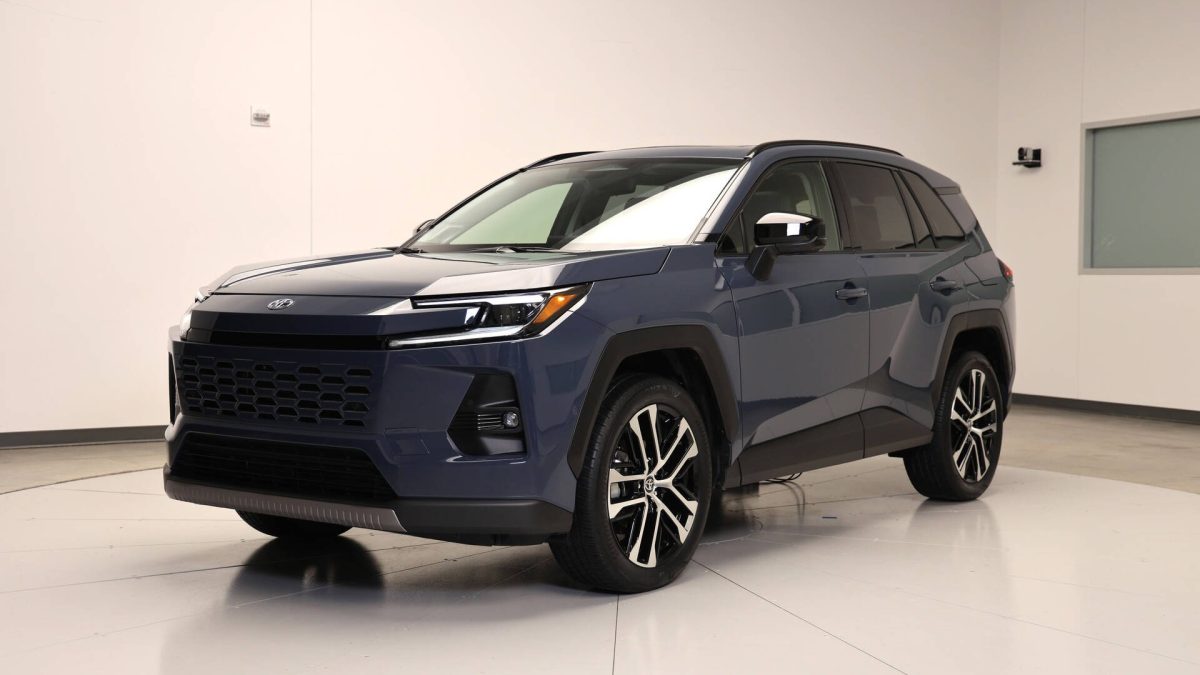
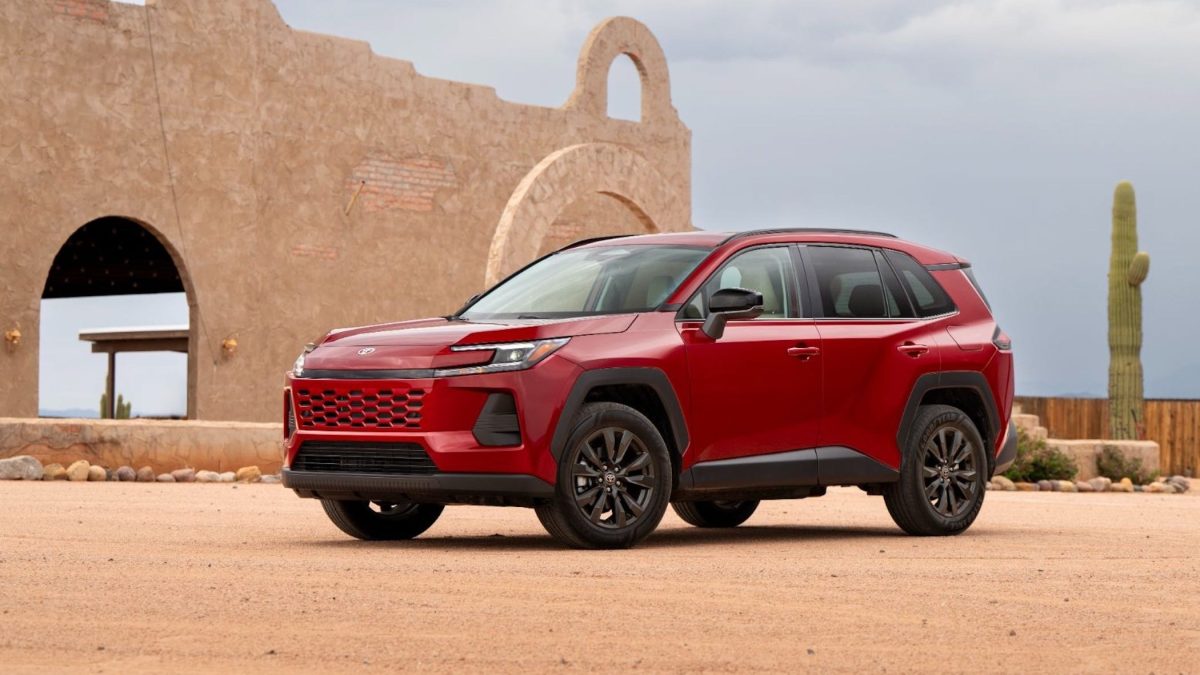
The exterior gets updated styling without losing the familiar RAV4 silhouette. Core models like the XLE and Limited feature color-matched grilles with Toyota’s boomerang-shaped headlights.
The Woodland trim adds a more aggressive front end with extra lighting elements and sits about half an inch taller on all-terrain tires.
The GR Sport borrows its mesh grille from the GR Corolla and rides on 20-inch wheels with unique suspension tuning for sharper handling.
Out back, the taillights extend onto the trunklid with vertically stacked LEDs. The RAV4 name sits boldly across the tailgate in chunky lettering.
A subtle roof spoiler appears on most trims, though the GR Sport gets the biggest wing.
Inside, the materials vary by trim but the packaging stays smart throughout. The XSE uses suede-like upholstery.
The Woodland goes rugged with bronze accents. The Limited offers premium SofTex faux leather. The GR Sport combines suede and faux leather in supportive bucket seats.
Every model includes a 12.3-inch digital instrument cluster as standard. Base and Woodland trims get a 10.5-inch touchscreen, while the Limited and GR Sport bump that up to 12.9 inches.
Storage is genuinely thoughtful. Two large phone areas sit below the touchscreen, one with wireless charging.
A deep cubby sits underneath that. The center console is surprisingly spacious. Even the passenger gets a small dashboard cubby.
Toyota’s latest infotainment system includes updates to audio, navigation, and the home screen layout. There’s finally a dedicated home button, which was badly needed.
Physical knobs for temperature and volume remain, but fan speed and a few other functions moved to the touchscreen. Wireless Android Auto and Apple CarPlay come standard across the lineup.
Toyota Safety Sense 4.0 is standard, powered by the Arene software platform.
Expect adaptive cruise control, lane centering, automatic high beams, and more. Higher trims can add a head-up display and a nine-speaker JBL sound system.
Pricing hasn’t been announced, but Toyota says the base model starts in the low $30,000 range. That keeps it competitive with the outgoing version.
The current RAV4 Hybrid LE starts around $34,000 including destination.
The plug-in hybrid kicks off above $46,000. Expect similar or slightly higher pricing when the 2026 model arrives at dealers later this year.