Toyota just declared independence from its sports car partners, with executives confirming the brand can develop a standalone Gazoo Racing halo model without BMW or Subaru assistance.
The announcement challenges automotive industry economics that typically force manufacturers into joint ventures for low-volume performance cars.
Sean Hanley, Toyota Australia’s sales and marketing boss, told Drive the company possesses the capability and resources to build dedicated sports cars independently. When asked whether Toyota could create a GR performance vehicle entirely in-house, his response was emphatic and repeated three times for emphasis.
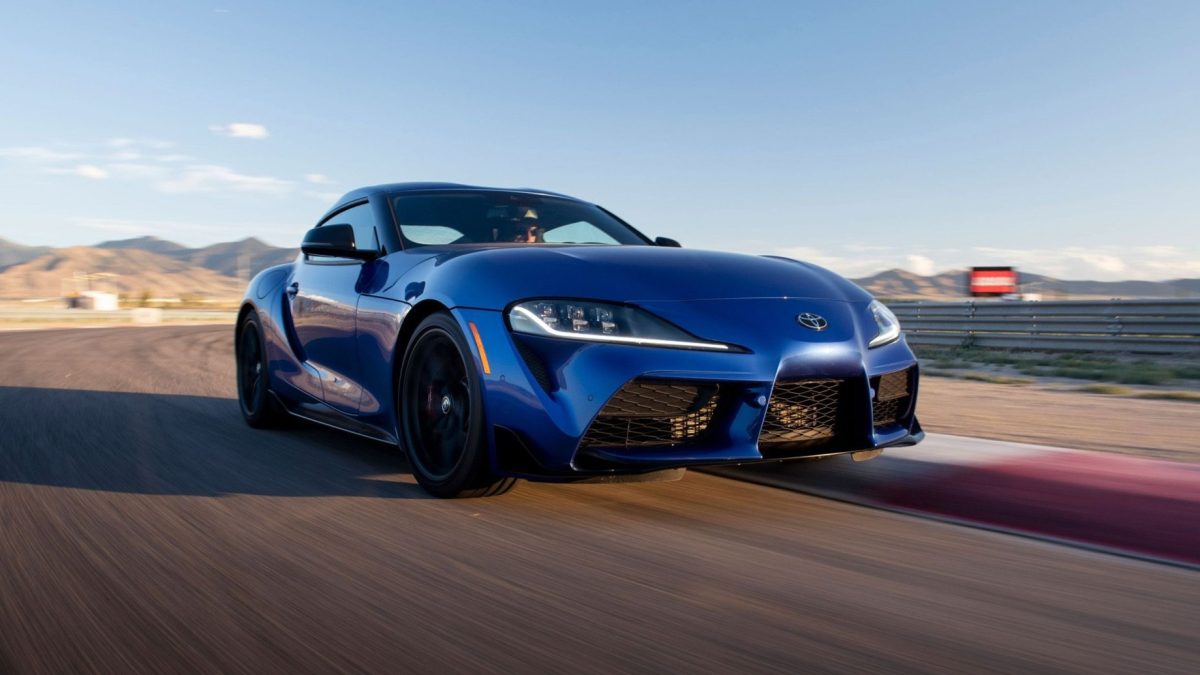
The declaration flies in the face of Toyota’s recent history of sharing platforms and powertrains. The current Supra partners with BMW’s Z4 while the GR86 shares DNA with Subaru’s BRZ. Both arrangements spread development costs across two manufacturers, making financial justification easier for accountants who typically view sports cars as money-losing propositions.
Toyota hasn’t completely abandoned partnership benefits though. Hanley acknowledged BMW builds seriously good cars, and the collaboration taught Toyota significant lessons about performance vehicle development. The relationship worked both ways, with BMW likely learning from Toyota’s manufacturing expertise as well.
The GR Corolla and GR Yaris demonstrate Toyota’s ability to create unique performance models, though both amortize costs by building upon existing hatchback platforms with major modifications. Component sharing with the Lexus LBX Morizo RR further spreads development expenses.
Developing dedicated sports cars presents massive challenges. Automakers must engineer bespoke parts for models selling in tiny numbers compared to SUVs and sedans. Without the ability to spread costs across mainstream products, achieving economies of scale becomes nearly impossible. High price tags to recoup investment risk, alienating buyers in already fragile niche markets.
Rumors suggest a road-going version of the GR GT3 Concept from the 2022 Tokyo Auto Salon could reach production. Lexus will likely participate with its Sport Concept, pointing toward luxury brand involvement, possibly featuring a petrol-electric hybrid V8 matching the V10-powered LFA’s performance.
Toyota’s new turbocharged 2.0-liter gasoline engine showcased in the midship Yaris concept could provide the GR lineup backbone. The four-cylinder engine works in both longitudinal and transverse applications, making it adaptable for front and mid-engined vehicles. Higher-end offerings might use V8 with electrification for models like the rumored Lexus LFR.
The Tokyo Motor Show in late October could reveal Toyota’s future GR plans, potentially showcasing whether the independent sports car ambitions translate into actual production vehicles or remain aspirational statements.
Hanley wouldn’t confirm whether any new sports car would revive the Supra nameplate, though he acknowledged the moniker carries tremendous legacy weight, especially with Supercar’s racing debut next year. Sometimes never say never applies to iconic nameplates with strong heritage.