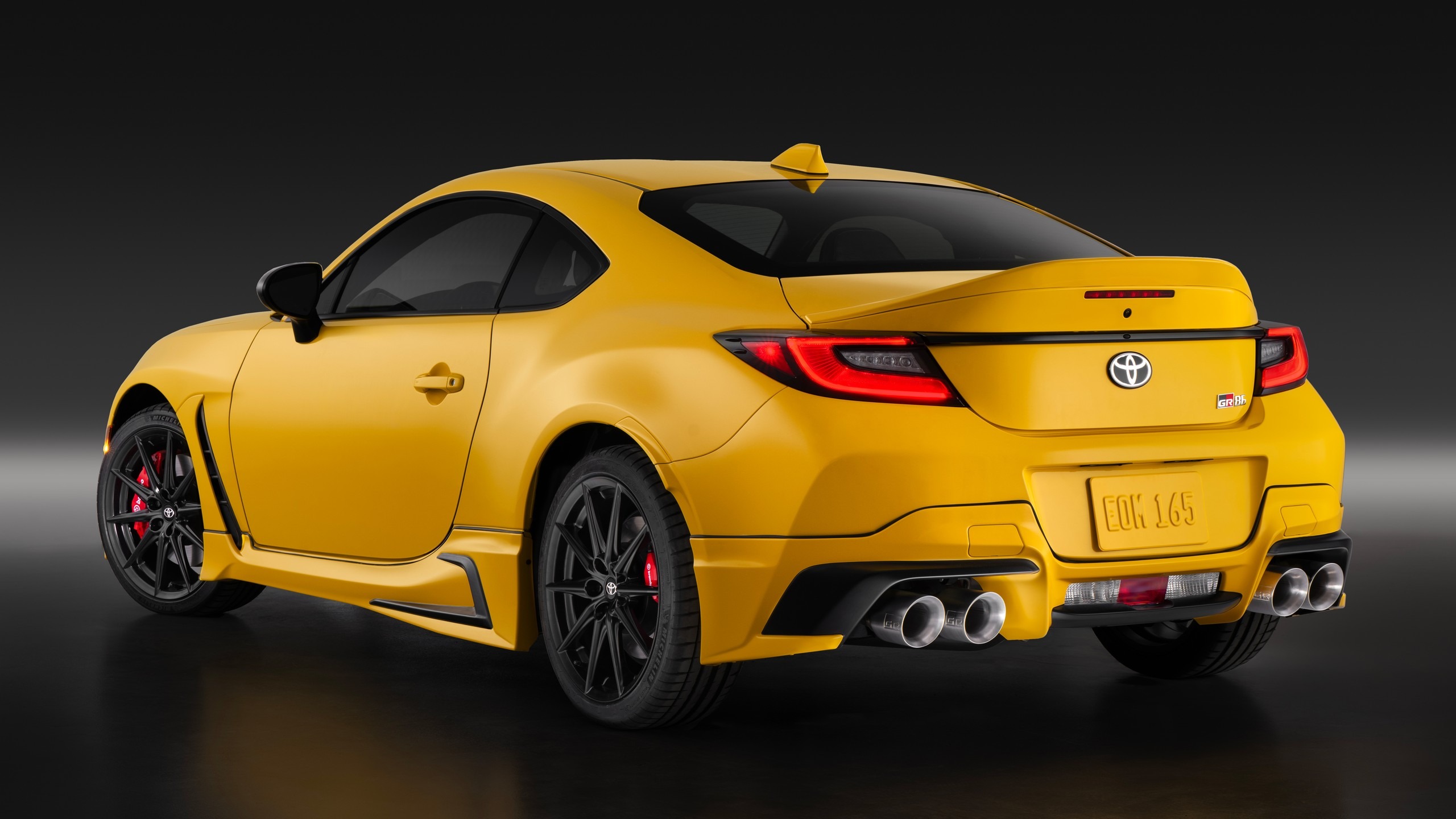
Toyota is switching dance partners for the next GR86. The Japanese automaker is reportedly dropping Subaru in favor of Mazda for its third-generation sports coupe.
Senior Mazda engineers have reportedly been sent to Toyota City to begin work on a project using the current MX-5 platform as its foundation.
This is big news for affordable sports car enthusiasts. The GR86 starts under $31,000 while the Miata sits below $30,000.
Both are lightweight, fun to drive, and accessible to average buyers.
Combining expertise from two manufacturers known for making engaging driver’s cars could push both nameplates even closer to perfection.
The partnership differs from Toyota’s current arrangement with Subaru. The GR86 and BRZ are basically identical except for minor styling tweaks and handling adjustments.
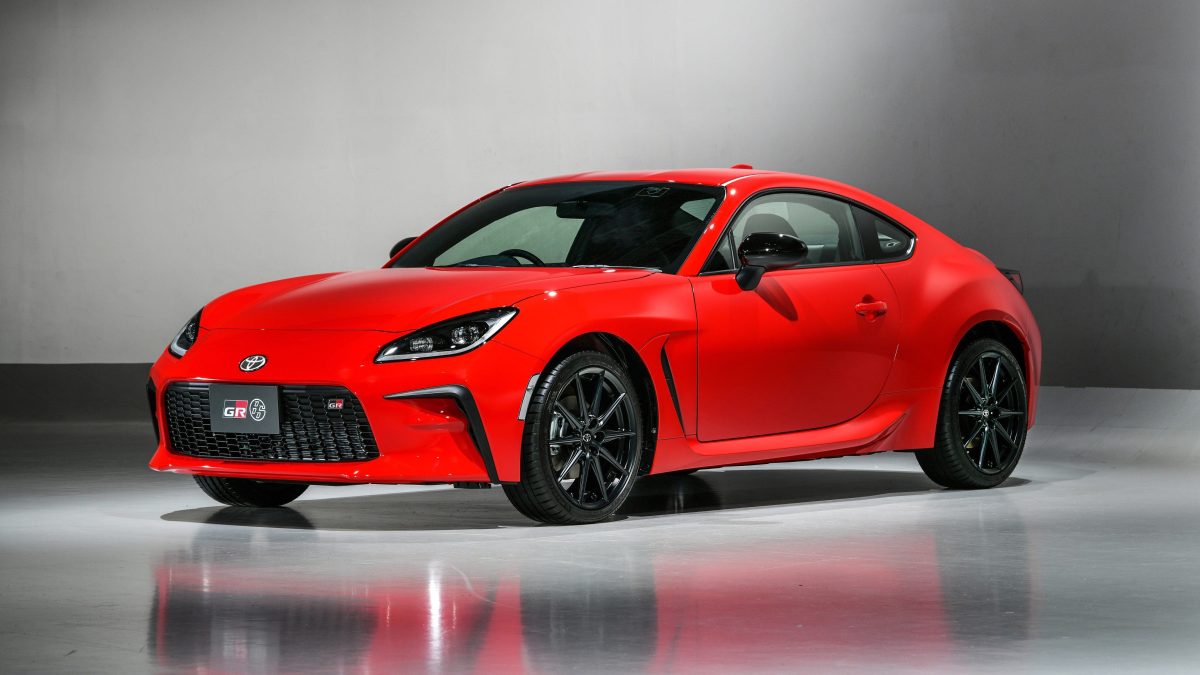
The new Mazda collaboration promises more differentiation between the two models.
Both will be built by Mazda at its Hiroshima factory, but each car will maintain its own identity.
The MX-5 stays a two-seater roadster. Mazda will stretch the platform slightly to allow the GR86 to keep its 2+2 coupe layout with rear seats.
Engine choices will also diverge. The MX-5 gets a Mazda 2.0-liter four-cylinder, possibly with some form of hybridization.
The GR86 uses a Toyota 2.0-liter setup, also likely hybridized. Mazda’s chief technical officer told Road and Track in July that the next MX-5 would use a larger 2.5-liter engine, which adds another layer of possibility.
Mazda has experience building cars for other manufacturers. The current ND generation MX-5 formed the basis for the Fiat 124 Spider between 2016 and 2019.
That car had unique front and rear ends plus Fiat’s 1.4-liter turbocharged engine.
The Toyota partnership should follow similar principles with distinct styling and powertrains despite shared bones.
What makes this collaboration exciting is the potential for improvement on both sides.
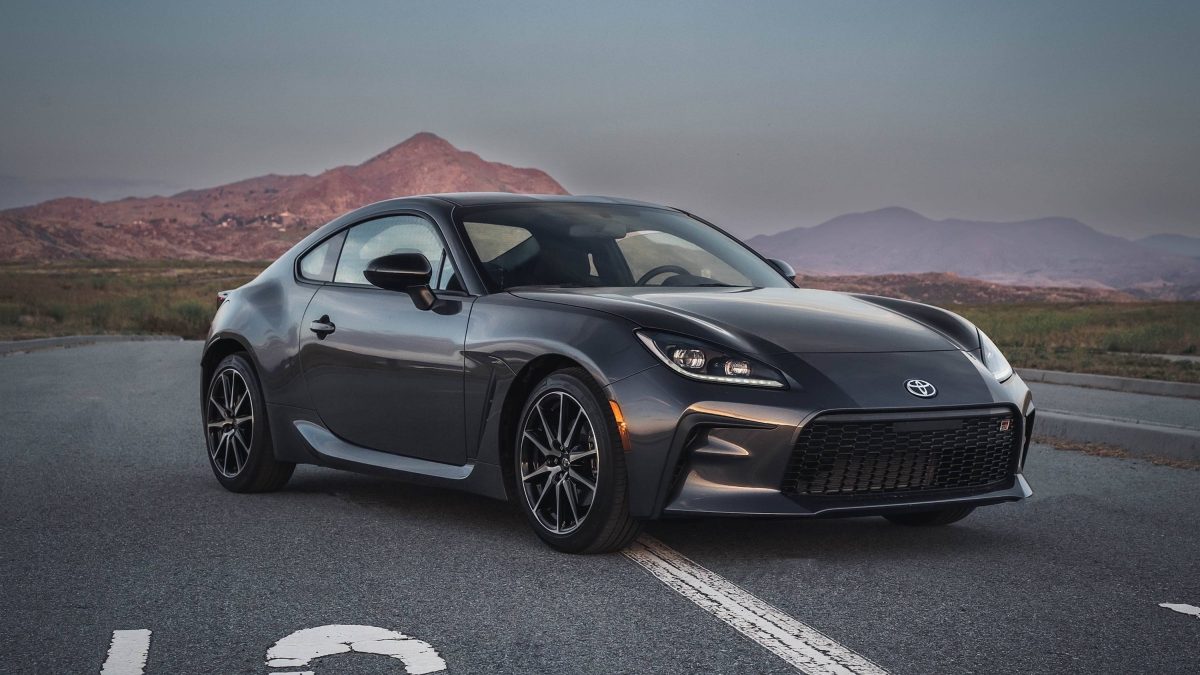
World Report scored the GR86 and MX-5 Miata at 8.7 or higher out of 10, recognizing them as two of the best sports cars on the market today.
Toyota brings expertise in building long-lasting reliable vehicles. Mazda understands lightweight roadster dynamics better than almost anyone.
Combining those strengths could address shortcomings in both models.
The shift leaves Subaru in an interesting position.
The BRZ has been closely tied to the 86 since the first generation launched.
Will Subaru continue developing the existing model and platform independently? Will they find another partner? Or will they exit the segment entirely? Those questions remain unanswered.
Toyota holds minority stakes in both Mazda and Subaru with existing technology and platform-sharing deals.
Among the notable collaborations are the bZ4X with Subaru’s Solterra and the European Yaris sold as the Mazda 2 Hybrid.
Through this new collaboration Toyota continues its approach to work with small Japanese car companies for expanding its product range without making large individual investments.