Tesla just set a hard deadline for its most ambitious vehicle yet.
CEO Elon Musk confirmed on the third-quarter earnings call that Cybercab production begins in Q2 2026.
The vehicle has no steering wheel and no pedals. It’s designed entirely around full autonomy.
Musk called it Tesla’s single biggest production expansion.
The Cybercab is optimized purely for passenger comfort and smoothness, not driver engagement or performance.
He dismissed concerns that current Tesla models still have what he described as a horseless carriage thing going on with their steering wheels and pedals. This vehicle throws all that out.
The selling point is simple. Passengers can use their phones safely the entire ride. Musk believes that proposition alone will drive demand.
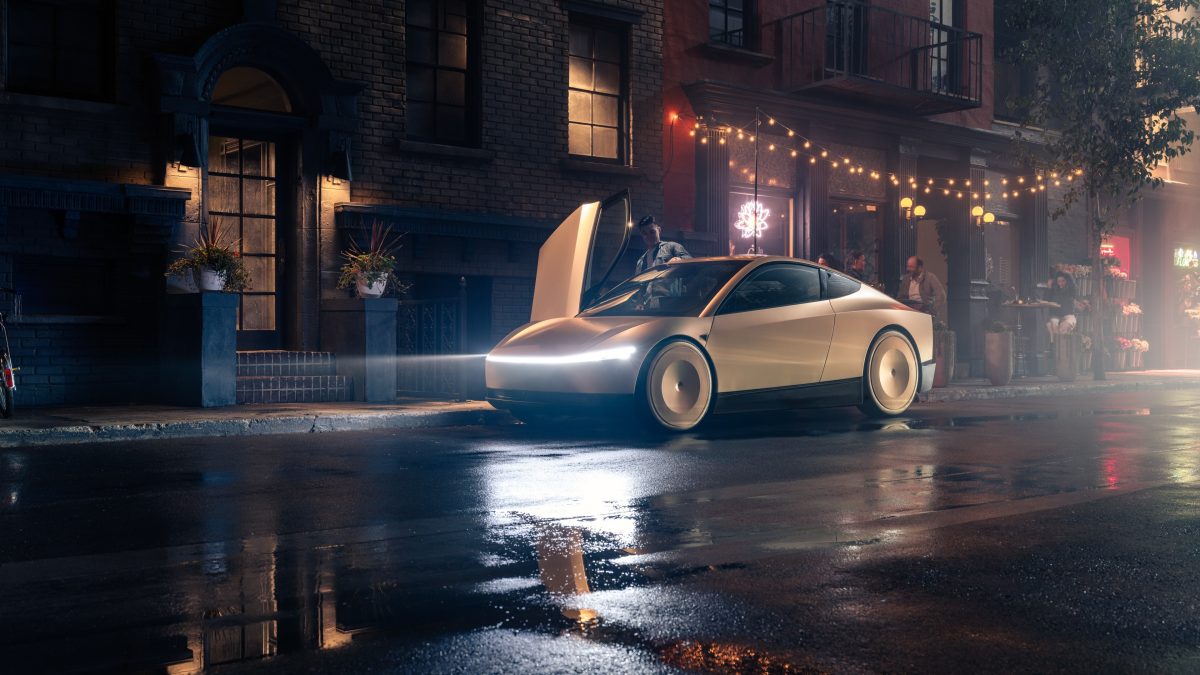
Tesla is targeting at least 2 million units annually, possibly reaching 4 million eventually.
Production will happen across multiple factories, with Giga Texas handling the initial launch.
The company is currently hiring for several engineering and technician roles related to Cybercab manufacturing operations in Texas.
The Cybercab was unveiled exactly a year ago at the We Robot event alongside the Robovan.
The timeline got reaffirmed in the July shareholder deck, which stated Tesla would pursue a revolutionary unboxed manufacturing strategy for volume production starting this year.
The unboxed process is brand new for Tesla. Different sections of the vehicle are manufactured separately and combined during final assembly.
The US Patent and Trademark Office granted the patent for this manufacturing method late last month. It’s a significant departure from traditional automotive assembly lines.
The Cybercab has been spotted at Giga Texas undergoing crash testing.
Video footage from the Fremont factory also showed the vehicle testing inside the facility.
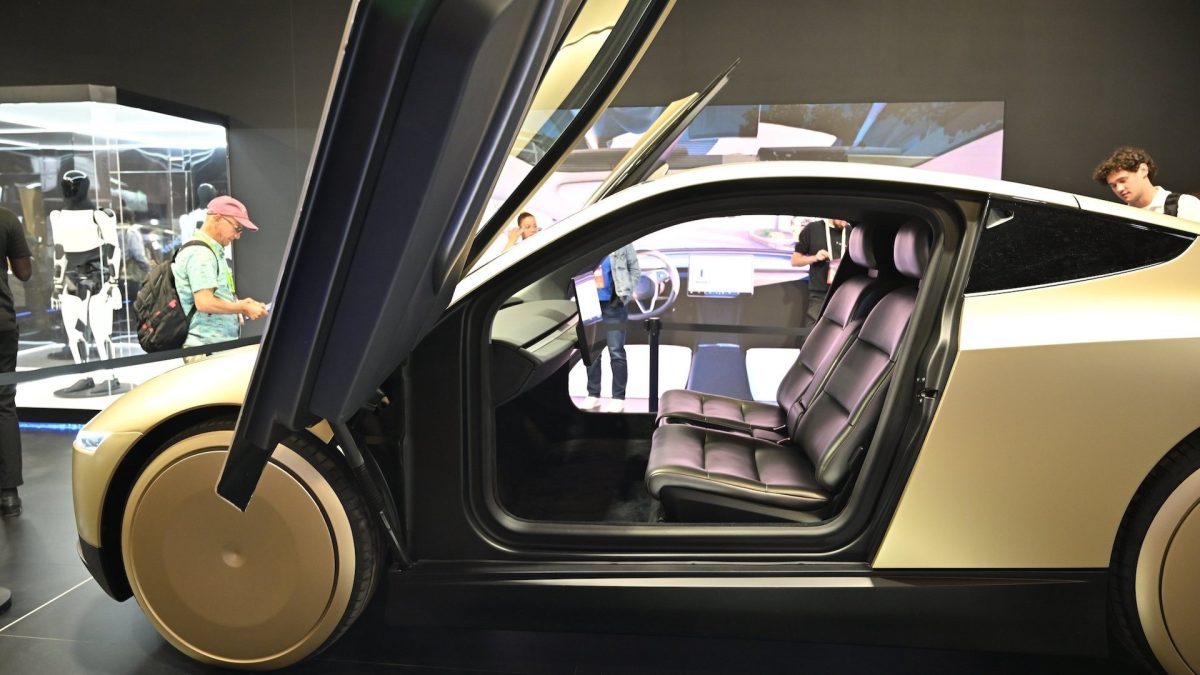
Tesla’s Head of Investor Relations, Travis Axelrod, confirmed the first builds were coming at the end of Q2, with large-scale equipment installation at Giga Texas on schedule.
The fully autonomous electric vehicle features two seats.
Tesla’s ride-hailing service already launched earlier this year in Austin using Model Y vehicles equipped with Full Self-Driving software. The Cybercab represents the next evolution, purpose-built for autonomy rather than adapted from existing models.
The timing is aggressive though. Tesla is currently operating at around 20% capacity on the Cybertruck production line at Giga Texas.
The company also warned of a few bad quarters following its tax-credit-boosted Q3.
Expanding production capacity based on anticipated demand raises questions about where that demand comes from.
With falling demand and slimmer margins, Tesla needs a win. The Cybercab could be that moment if production actually hits Q2 2026.