Tesla reported record third-quarter global deliveries of 497,099 vehicles, a 7.4% increase over last year, likely marking the company’s final strong performance before EV tax credit elimination crushes sales.
The timing couldn’t be more bittersweet. The quarter ended September 30, the same day the $7,500 federal EV tax credit expired under President Trump’s spending bill passed in July. US buyers rushed dealer lots throughout the quarter, desperately trying to claim the incentive before it vanished.
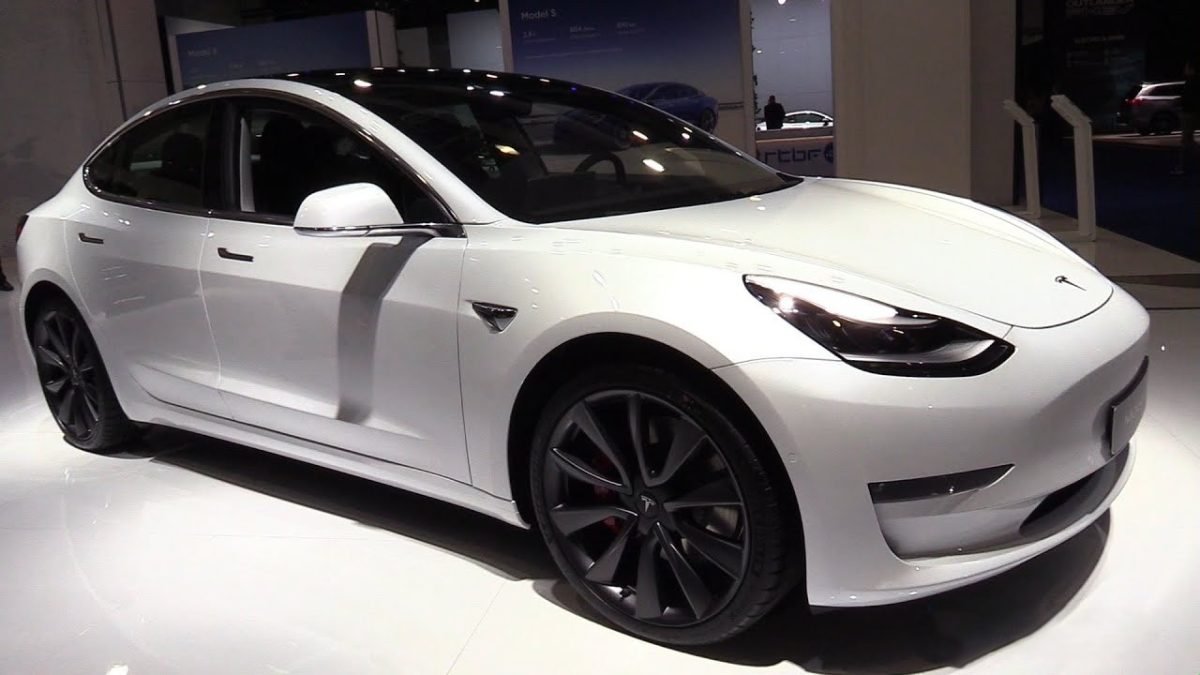
Model Y and Model 3 dominated deliveries with 481,166 units combined, leaving just 15,933 for the Model S, Model X, and flagship Cybertruck together. That flagship trio’s weak performance highlights Tesla’s dependence on volume models rather than premium offerings.
US deliveries specifically rose to 157,058 vehicles according to Cox Automotive estimates, a 9.4% improvement over Q2 that clearly reflects the tax credit deadline panic buying.
Production actually declined compared to last year, with just over 447,400 vehicles built versus nearly 469,800 in Q3 2024. The gap between production and deliveries suggests Tesla pulled from existing inventory to meet surging demand ahead of the tax credit expiration.
Europe presented ongoing challenges with continuing sales slump driven partly by consumer backlash against Elon Musk’s incendiary political rhetoric and activism. Competition from Volkswagen and BYD capturing market share compounds the regional struggles.
Year-to-date deliveries stand at around 1.2 million, down roughly 6% compared to the first three quarters of 2024. Analysts expect Tesla to deliver approximately 1.61 million vehicles this year, down about 10% from 2024. Meeting that projection requires 389,498 deliveries in Q4, a daunting target without tax credit incentives.
The second quarter showed a brutal 14% year-over-year decline to 384,122 deliveries, marking the second consecutive quarterly drop before Q3’s recovery. First quarter fell 13% to 336,681 units, making the latest results a rare bright spot in challenging 2025.
The Q3 success likely represents the last hurrah before harsh reality hits. Without the $7,500 incentive, EV sales are expected to drop dramatically in Q4 and beyond.
Musk’s close alignment with Trump on most issues besides EVs creates ironic situation where the Tesla CEO’s political activities directly undermine his company’s core business.