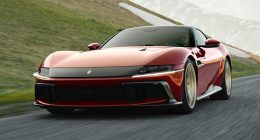
Tesla finally appears ready to add Apple CarPlay support after over a decade of stubborn refusal.
The company started testing the feature internally and discussed potential rollout within the coming months, though plans remain unfinalised.
This marks a stunning reversal for CEO Elon Musk who spent years criticising Apple over App Store policies and engineer poaching during its failed Titan car project.
The automaker long opposed giving Apple deeper access to Tesla customers, especially when the iPhone maker positioned itself as an EV rival.
But circumstances changed dramatically. Apple cancelled its electric vehicle programme in 2024, removing competitive tension.
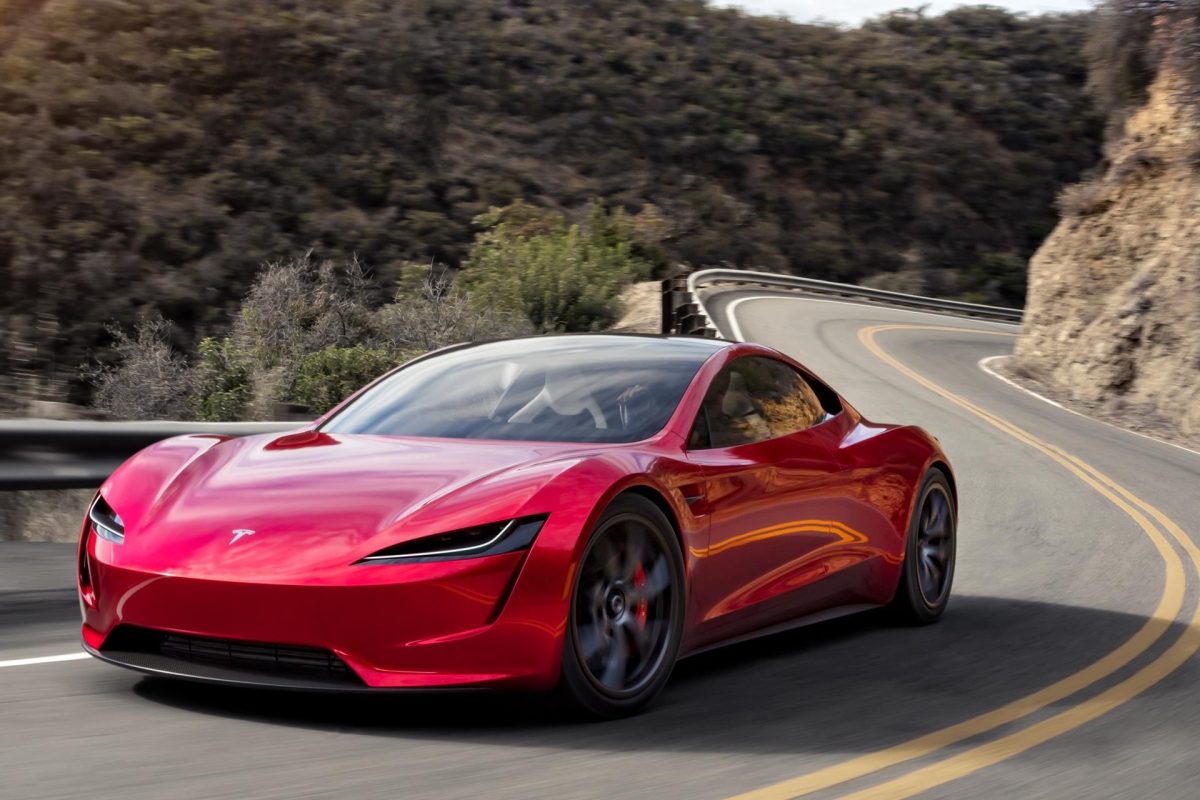
Musk now relies heavily on Apple for distributing X social network and Grok AI service.
Tesla sales softened too, with buyers citing missing CarPlay as a dealbreaker.
McKinsey research from 2024 found roughly a third of buyers considered lacking CarPlay or Android Auto a genuine purchase obstacle.
The feature launched in 2014 with Apple’s Messages, Music, Maps apps, plus Siri voice assistant, also supporting third-party options like Google Maps and Spotify.
Tesla plans to implement CarPlay within a window inside its broader interface rather than a full system replacement seen in other vehicles.
The Apple software won’t tap into Tesla features like FSD autonomous driving mode. Drivers must rely on Tesla’s native navigation for that capability.
The company will support wireless CarPlay only, skipping cable connections entirely.
Tesla chose standard CarPlay over newer Ultra iteration found in some Aston Martins that controls instrument clusters, seats, and climate functions.
Apple redesigned standard CarPlay in iOS 26 adding widgets for weather and appointments.
Alphabet’s Android Auto remains absent from Tesla’s development plans despite offering similar functionality for Google devices.
The decision focuses resources on single platform integration rather than supporting competing ecosystems simultaneously.
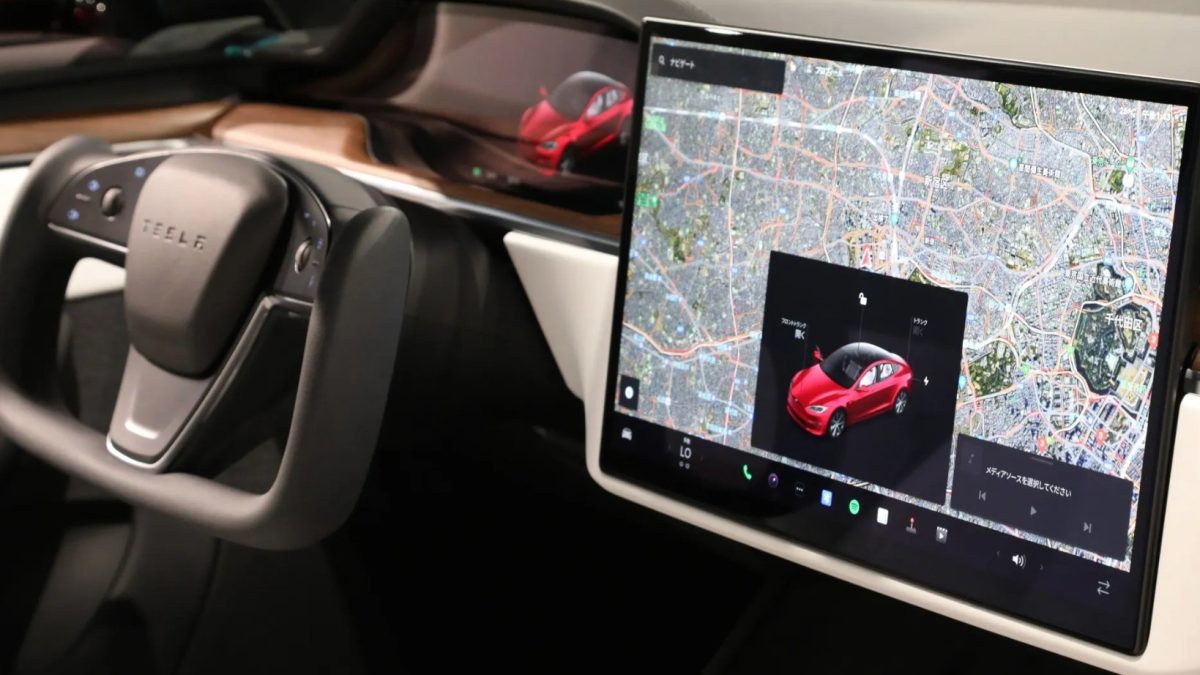
Getting CarPlay into market-leading US EVs represents a major win for Apple, seeking to maintain its product ecosystem grip.
Some automakers like General Motors recently moved opposite direction, removing CarPlay to prioritise homegrown infotainment solutions.
CarPlay Ultra struggled to gain traction despite initial industry enthusiasm.
Audi and Mercedes-Benz reversed earlier commitments, stating no current plans for Ultra support after promising the technology years ago.
Tesla pioneered rejecting phone mirroring in favour of proprietary operating systems, believing native software provided a superior experience.
If the company relents after maintaining this position since inception, other holdouts like Rivian face harder justification for their stance.
The feature would differentiate Tesla from Rivian and GM electric vehicles that dropped phone mirroring entirely.
Consumer choice advocates view this as a major victory given vocal buyer groups refusing to purchase without CarPlay availability.
Tesla remains known for killing or delaying features after months or years of development work.