Jaguar Land Rover has admitted what most politicians would rather whisper behind closed doors: they can’t build an electric Range Rover that’s truly bulletproof.
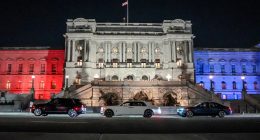
The Range Rover Sentinel, a rolling bunker used by the likes of UK Prime Minister Keir Starmer, will remain powered by petrol for the foreseeable future. That’s awkward timing, given the government’s own Zero Emission Vehicle mandate requires all departments to be fully electric by 2027.
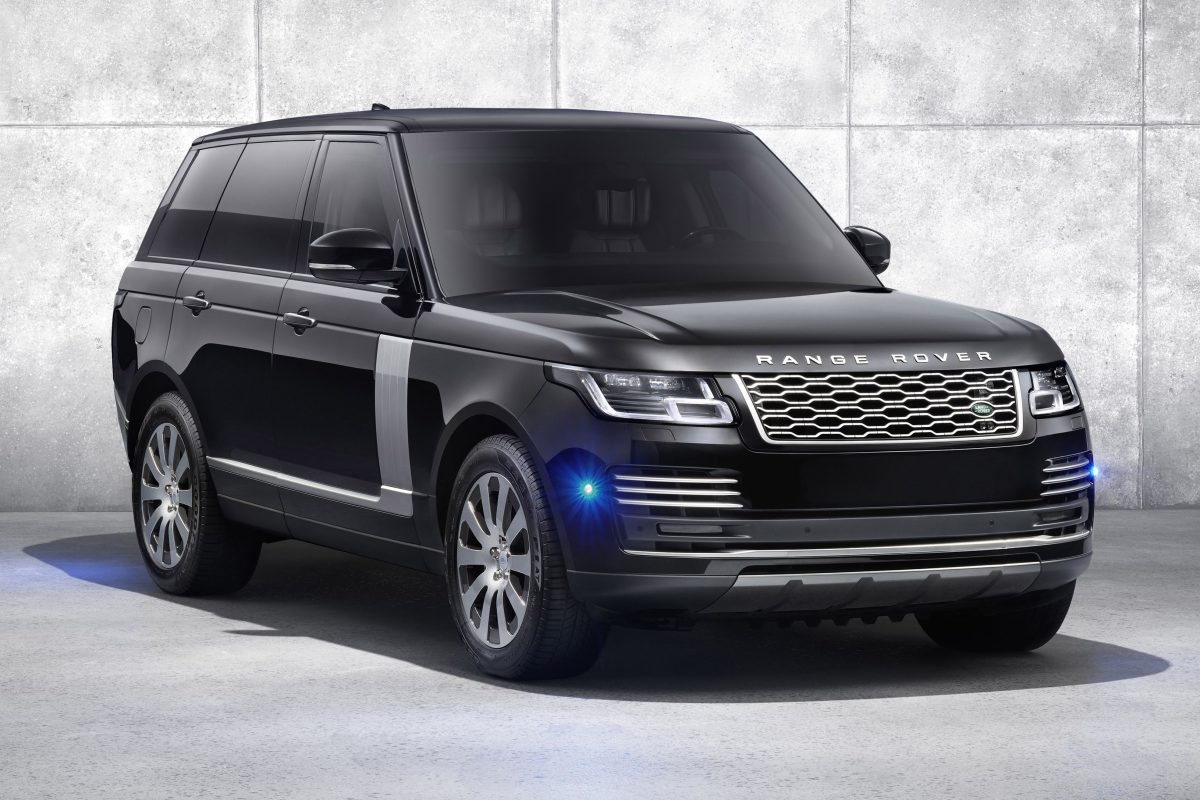
The issue isn’t about horsepower or torque; it’s about survival. Armour strong enough to repel armour-piercing rounds, grenades, and even TNT already adds colossal weight to a conventional SUV. Add batteries into the mix and suddenly blast protection isn’t guaranteed.
JLR is happy to sell an electric Defender to weekend warriors and a new battery-powered Range Rover to city slickers, but when it comes to protecting heads of state, combustion is apparently still the safer bet.
Falling Behind The Competition
JLR’s hesitation looks even more suspect when rivals are already doing the hard yards.
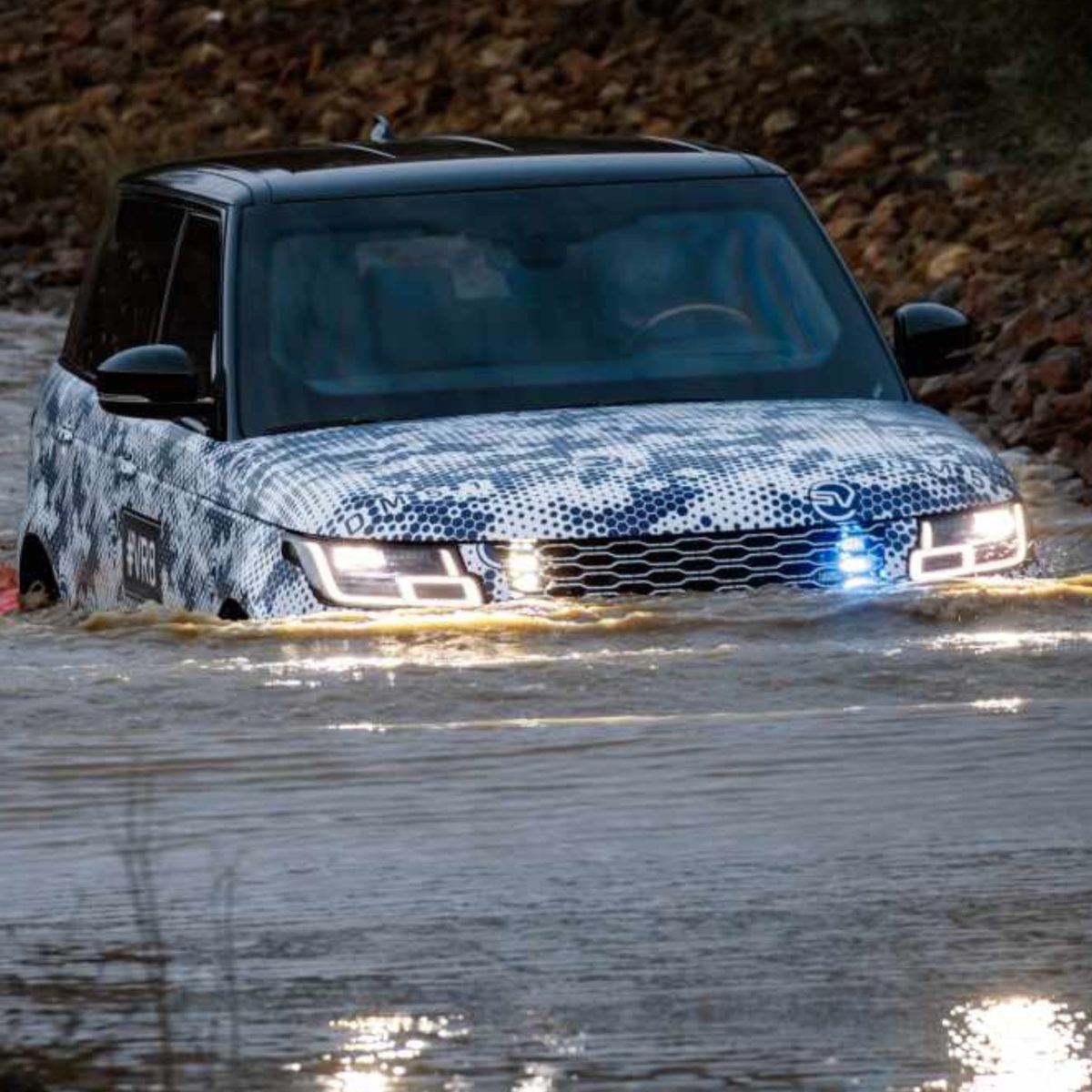
BMW’s i7 Protection is a fully electric sedan capable of handling high-calibre rounds and explosions, while Lucid has teamed up with US Armor Group to produce a fortified Air Sapphire that shrugs off gunfire while still delivering 400 miles of range.
In short, others are proving the impossible is possible, while Land Rover insists otherwise. For a brand that built its name on engineering prowess, this feels less like a technical limitation and more like a lack of urgency.