Porsche’s next CEO, Michael Leiters, is walking into a messy situation.
The luxury carmaker is facing a deep operating loss for the third quarter, with analysts forecasting around $713 million in red ink against last year’s $974 million profit.
That reflects up to $1.8 billion in expenses tied to delays in the EV rollout. Oliver Blume’s decade-long tenure ends in January after delivering one final quarterly report that won’t make anyone happy.
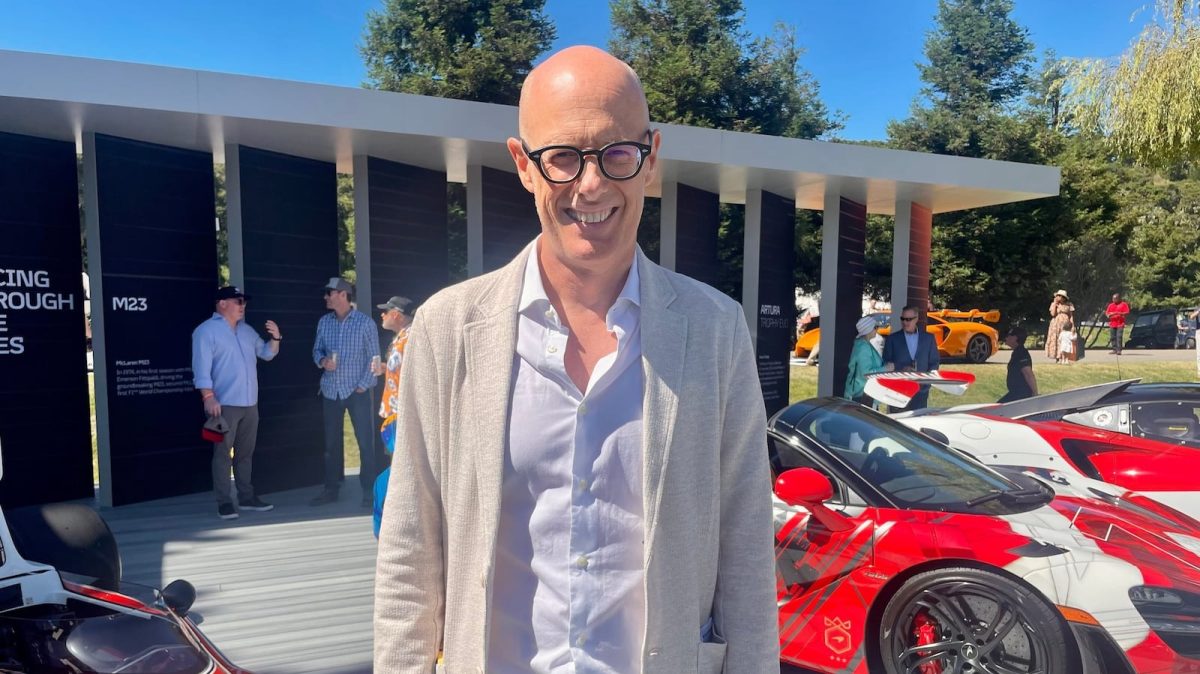
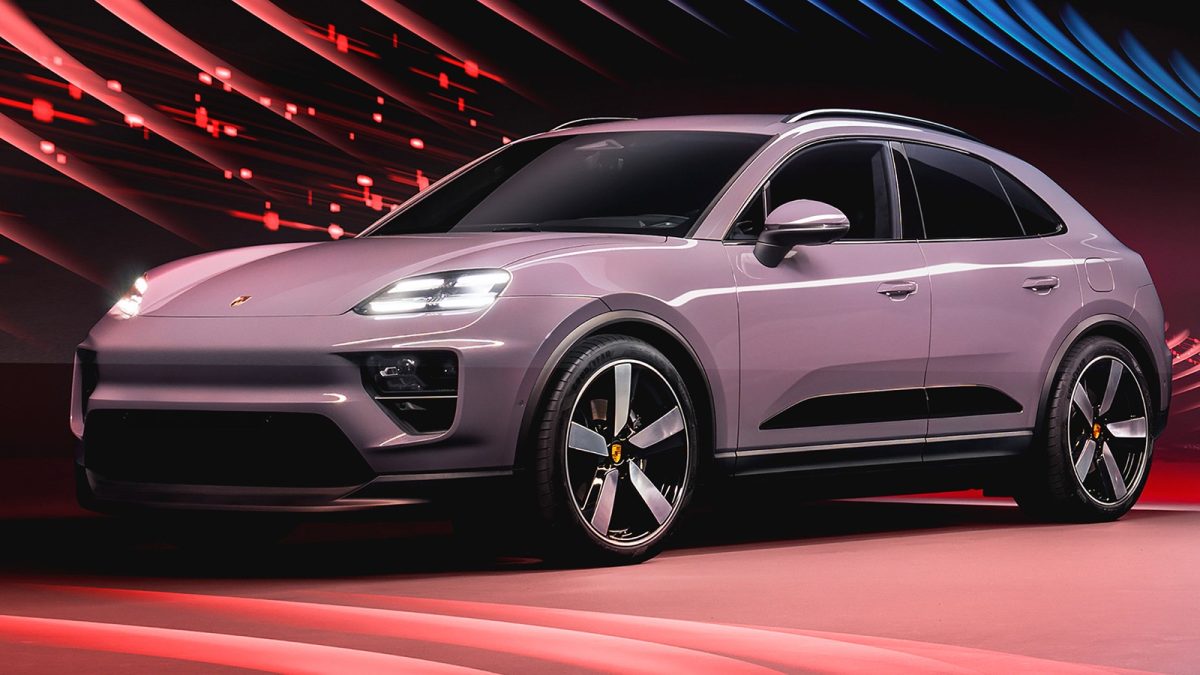
Leiters brings serious credentials. He spent over 13 years at Porsche earlier in his career, most recently overseeing the Macan and Cayenne lines.
He also led McLaren Automotive and Ferrari, which signals where Porsche might be headed under his watch. He officially takes charge in January while Blume stays on to lead parent company Volkswagen for another five years.
The company is pulling back hard from its once ambitious electric vehicle drive. Porsche originally targeted 80% of its lineup to be fully electric by 2030.
That goal now looks flexible at best. Management calls the new approach balanced across electric, hybrid, and combustion models.
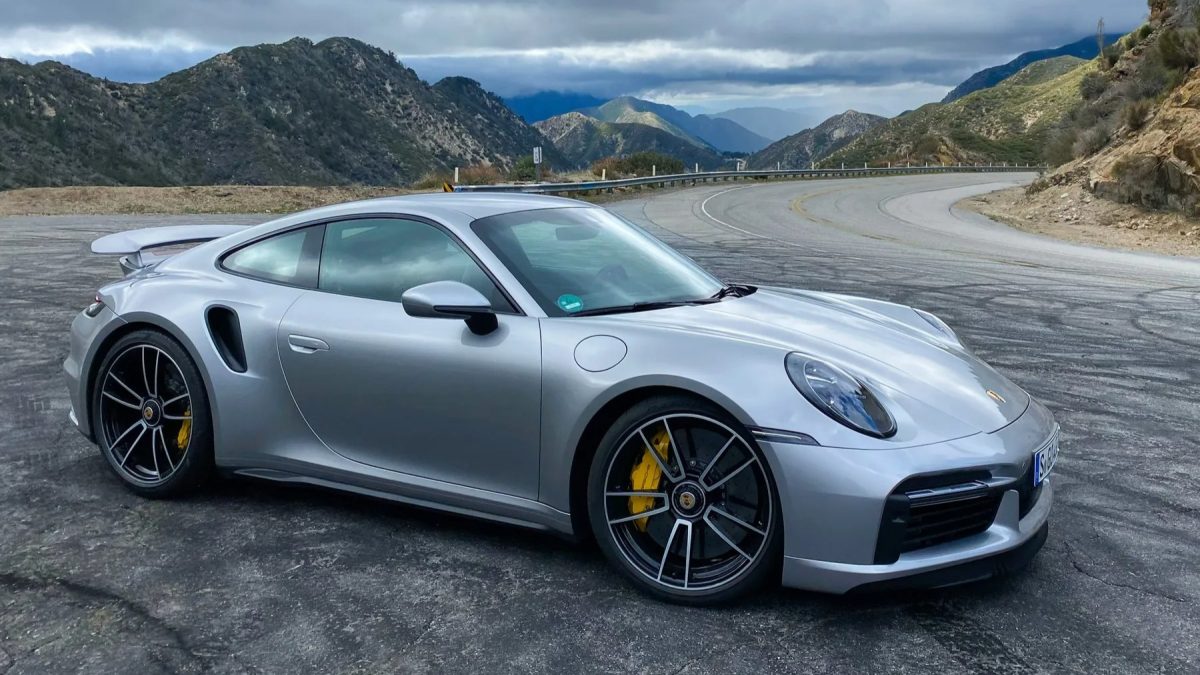
Insiders say production cycles for the combustion Cayenne and Panamera will be extended while some fully electric launches originally scheduled for mid-decade get delayed.
The Taycan, Porsche’s all-electric flagship, has seen sales level off amid competition from Tesla and Chinese luxury brands like BYD and NIO.
China, once Porsche’s second-largest market, has become a serious problem.
Sales there dropped to 32,195 cars during the first nine months of 2025.
That’s more than half the volume from the same period in 2022. Chinese buyers aren’t paying premium prices for the brand anymore, at least not like they used to.
Operating margins tell the same story. They hovered around 18% during the 2022 IPO.
This year they’re expected to hit just 2% at best, with forecasts settling closer to 15% going forward. Rising battery costs and investment in digital platforms have strained profitability badly.
Leiters inherits a restructuring program that includes 1,900 job cuts in the coming years on top of 2,000 layoffs for temporary workers this year.
A second package of measures is currently under negotiation. Analysts say fixing Porsche could take three to five years.
Blume expects positive momentum again from 2026 onwards, but industry watchers are less optimistic.
Investor Ingo Speich from Deka Investment, which holds about $48 million of Porsche stock, said visibility for the business model remains very limited after several profit warnings.
He noted that Porsche faces a major challenge in the luxury sports car segment where electric vehicles haven’t yet been accepted by customers.
The key question is whether Leiters can successfully lead Porsche into the EV segment while restoring profitability.
Porsche has lost roughly half its market value since listing in 2022.
The company continues to invest in hybrid performance systems and advanced battery technologies, but it’s now pacing development to align with actual demand.
That approach could preserve near-term margins while keeping long-term options open. For now, Stuttgart is focused on defending profitability rather than chasing volume.