Volkswagen Group just absorbed a massive $6 billion writedown after Porsche admitted its electric vehicle strategy isn’t working. The luxury sports car division is sharply scaling back EV plans, choosing combustion engines and hybrids over battery power through the 2030s.
Porsche blamed the pivot on slower-than-expected EV market adoption, forcing major product timeline changes. A planned SUV above the Cayenne will now launch with traditional engines instead of going all-electric. The current Panamera and Cayenne will keep their combustion and plug-in hybrid powertrains until the 2030s.
The strategic U-turn hammers Porsche’s finances. Operating profit could drop up to nearly $2 billion this year alone, with the company slashing its operating return forecast to just 2% from the previous 5 to 7% range. It’s the fourth time Porsche has cut guidance this year, which tells you everything about how this is going.
Parent company Volkswagen Group also lowered its profit margin targets, dropping operating return expectations to 2 to 3% from as much as 5% previously. The cuts reflect broader European auto industry struggles as EV sales stagnate after manufacturers poured billions into electric drivetrains.
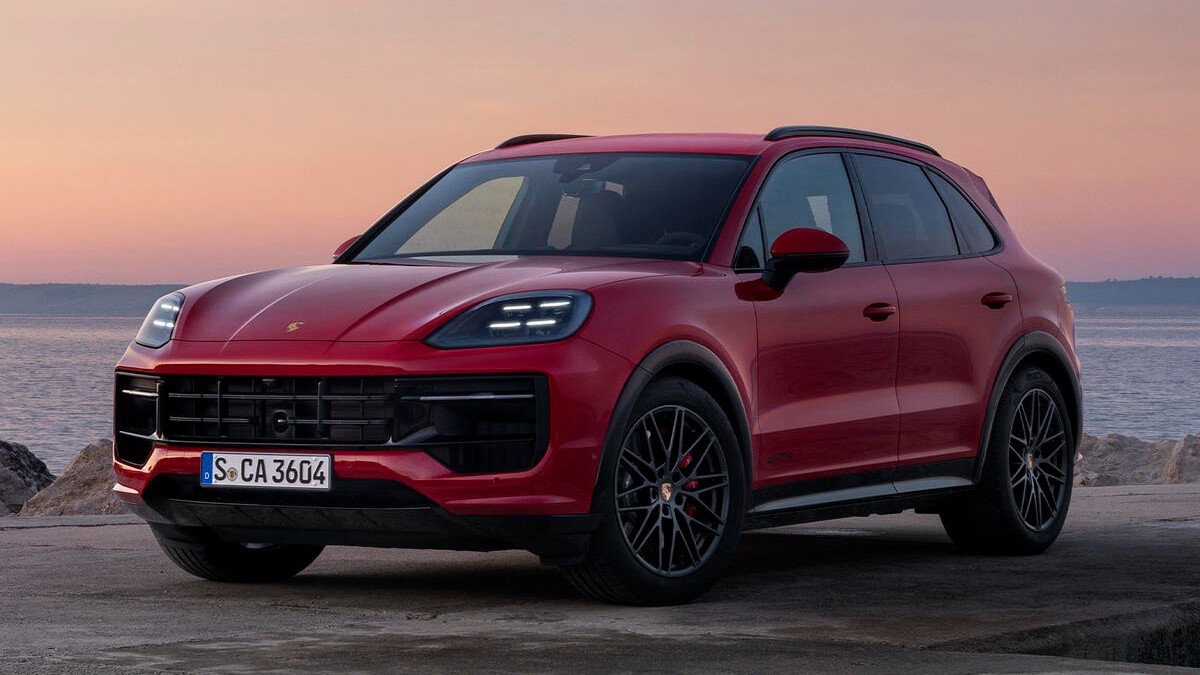
CEO Oliver Blume, who leads both Porsche and VW Group, warned of years of margin pressure ahead as the company shifts strategy back toward combustion engines. He called the restructuring a “tough and long road” for both brands.
Porsche’s struggles extend beyond EVs. The company faces headwinds from China slowdowns and US tariffs, with share prices falling so low that Porsche is dropping out of Germany’s DAX benchmark index. The performance marks a dramatic decline since the brand’s blockbuster 2022 public listing.
The sports car maker is now adding more combustion and hybrid models while cutting costs through job reductions. Porsche even ditched plans to produce its own batteries due to weak EV demand, another sign that electric ambitions are taking a backseat to financial reality.
The reversal shows even premium brands can’t force customers to buy electric when the market isn’t ready.