Porsche has shifted from being a symbol of German automotive success to a brand in trouble in only 24 months.
The luxury sports car maker’s warning that profit margin will reach 2% at most this year after upending its EV strategy at $2.1 billion cost shows the depth of trouble facing the once dominant brand.
Global deliveries declined roughly 6% in Q3 with sales down 20% in China and 5% in North America. Porsche cited challenging market conditions, particularly in the luxury segment, and intense Chinese competition.
The China collapse, where luxury sales cratered amid a real estate crisis, has turned the former growth engine into a major drag.
As a manufacturer with an entirely European production base, Porsche is heavily exposed to global trade friction. Vehicles exported to the US from Germany now face 15% tariff costing hundreds of millions this year alone.
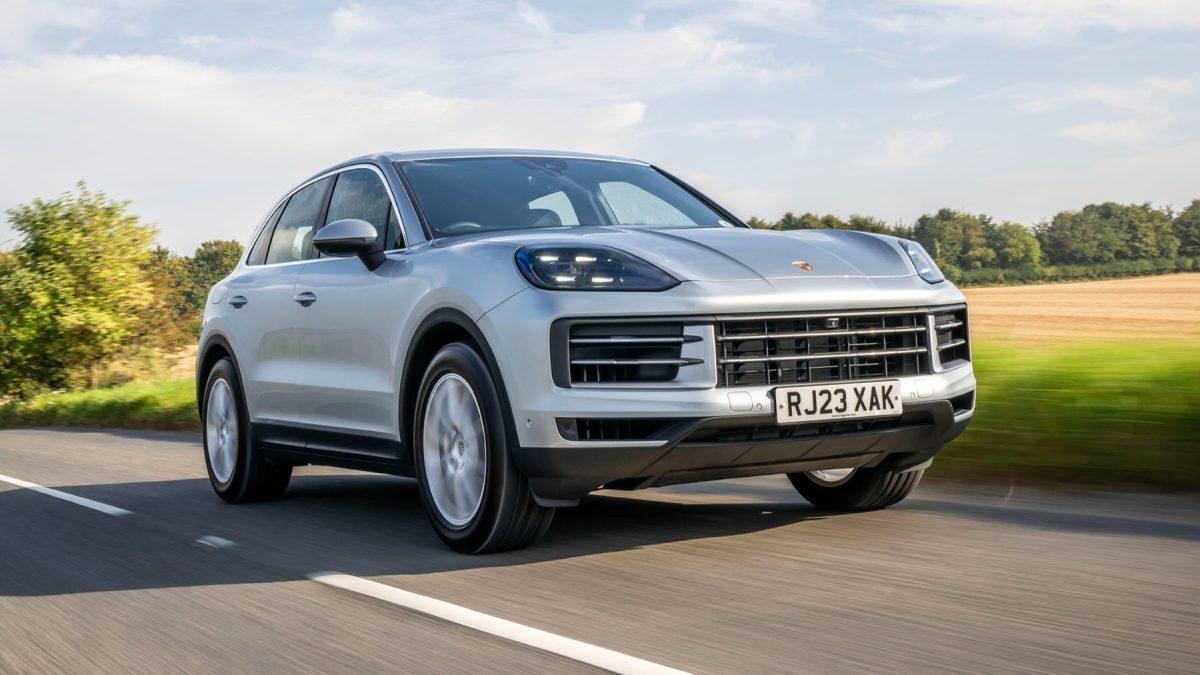
The company’s hard bet on electrification failed spectacularly. Porsche aimed to make 80% of sales fully electric by 2030, but expected demand never materialized.
Sports car buyers remain hesitant because of steep EV depreciation. A Taycan electric sedan sees worth tumble after just 12 months while iconic 911 keeps value even after a decade.
The decision to make new Macan SUV electric only has misfired badly. A new combustion-powered Macan is being developed but won’t arrive until 2028.
An even bigger hole is forming with the 718 Boxster and Cayman line. Combustion powered models are discontinued this year but BEV replacements unlikely before 2027 because of battery supply issues.
Porsche reversed course and now says top versions will be available with combustion engines.
The K1 three-row flagship SUV above Cayenne was planned as electric only for the 2027 launch targeting the US and Chinese markets. It now arrives in early 2030s as combustion engine and plug-in hybrid model.
The Panamera sedan and Cayenne large SUV will retain their plug-in hybrid and combustion drivetrains when replaced next decade.
Porsche’s SSP Sport architecture is being rescheduled and won’t be ready until well into 2030s. It will no longer be exclusively Porsche-developed but redesigned in coordination with other VW Group brands.
Job cuts are accelerating. Porsche announced plans to cut 1,900 jobs by 2029 after already letting go around 1,000 contract workers. A second round is being negotiated with potential for up to 20% of Porsche’s 23,600-strong Stuttgart workforce being affected by 2030.
CEO Oliver Blume’s dual role leading both Porsche and VW Group has drawn criticism. Shareholder advocates argue the split focus hurts both companies.
With Porsche’s crisis costing VW Group two percentage points in margin this year alone, calls for change are growing louder. The search for new Porsche leader has begun.
Whoever is the next CEO faces a daunting list: plug product lineup gaps, accelerate model launches, implement permanent cost reductions, and adjust organizational structures.
Porsche still wants to be the dream factory it once was, but regaining that status will take execution, discipline, and time.