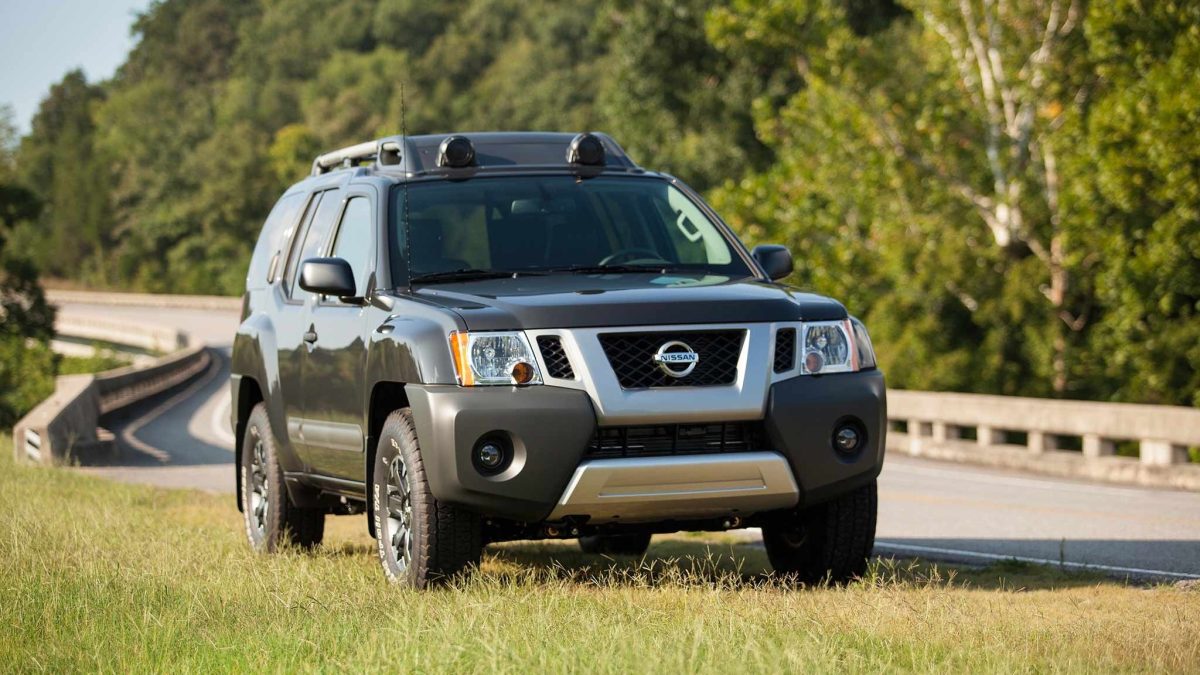
Nissan is bringing back the Xterra nameplate as a V6 hybrid SUV arriving in 2028, built at its Canton, Mississippi plant to fill unused capacity. The move marks a dramatic shift from earlier plans to produce electric vehicles at the facility as the Japanese automaker responds to softening US EV demand and Trump administration trade policies.
Christian Meunier, chairman of Nissan Americas, confirmed the revival targets off-road enthusiasts who’ve embraced competitors like the Ford Bronco, Toyota Land Cruiser, Jeep Wrangler, and Toyota 4Runner. The original Xterra won MotorTrend’s Truck of the Year in 2000 and performed well in its segment before discontinuation a decade ago due to tougher emissions standards.
The new Xterra will share platform, hybrid powertrain, and components with the mid-sized Frontier pickup, Pathfinder SUV, and Infiniti QX60. An upscale Infiniti version remains under consideration alongside possible relocation of the full-size Armada and Infiniti QX80 SUVs to the Mississippi factory.
Nissan completely froze plans to manufacture fully electric models in Mississippi despite announcing as recently as March that a battery electric vehicle would launch at Canton in 2028 with batteries sourced locally from South Korea’s SK On. The company continues importing EVs like the Leaf from Japan but reduced volumes due to tariffs.
Meunier said future US EV manufacturing may depend on dramatic manufacturing cost reductions or finding partners to split risk, acknowledging market uncertainty makes the cautious approach appropriate. The expiration of federal EV subsidies this month further dampens electric vehicle prospects.
The Xterra revival aims to inject needed excitement into Nissan’s lineup during massive global downsizing efforts to regain profitability. US sales slid 6.5% in Q2 and remained flat through the first six months of the year, prompting the strategic pivot toward gas-powered and hybrid models.
A refreshed Mexican-built Sentra compact sedan launches later this year, followed by a plug-in hybrid Rogue option in early 2026. The Rogue remains Nissan’s best-selling model, making the electrified variant crucial to sales recovery.
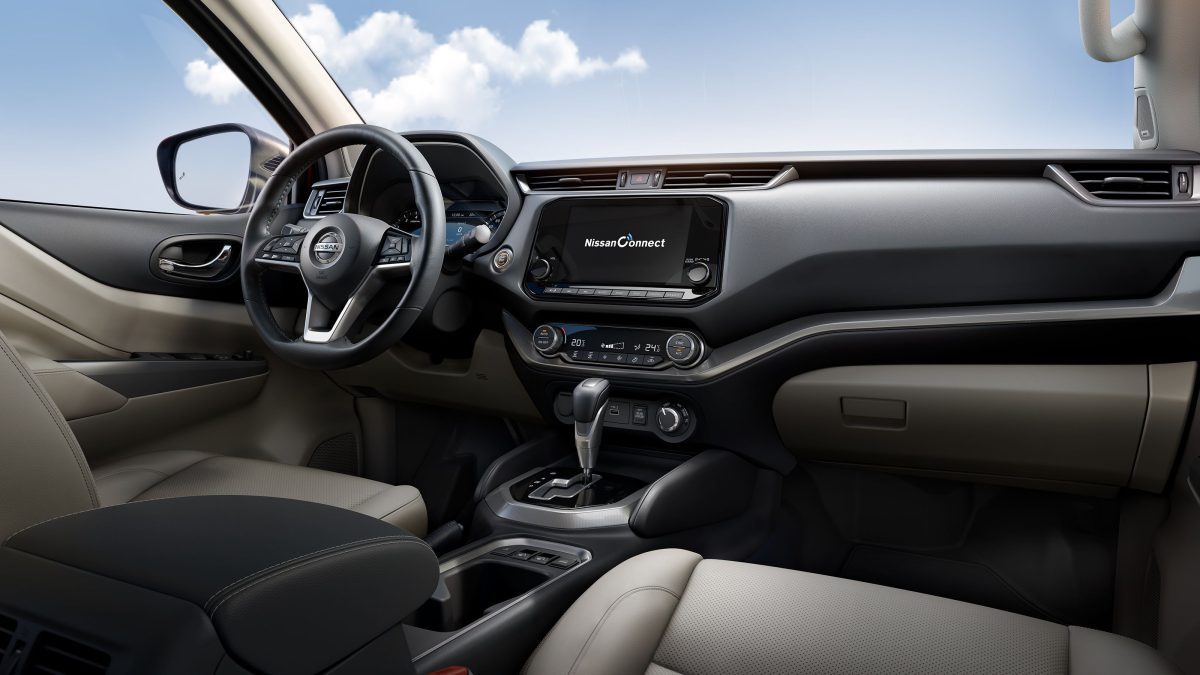
Nissan’s Smyrna, Tennessee plant was scheduled to drop to single shift operation earlier this year, but maintained two daily shifts after Trump tariffs hit. Meunier hopes to add a third shift once the all-new Rogue generation debuts.
The executive views Trump’s tariff regime as beneficial despite industry uncertainty and supply chain disruption, saying it forces Nissan to rethink operations and stresses the importance of localization in large markets like the US. Dealer enthusiasm runs high for the Xterra return, which Meunier calls a great example of Nissan coming back.
Expected pricing between $40,000 and $50,000 positions the hybrid Xterra competitively against Toyota’s imported off-road SUVs, with US production providing potential price advantages by avoiding tariff complications. Body-on-frame construction with rugged styling mixing retro and modern elements should appeal to traditional SUV buyers seeking alternatives to car-based crossovers.