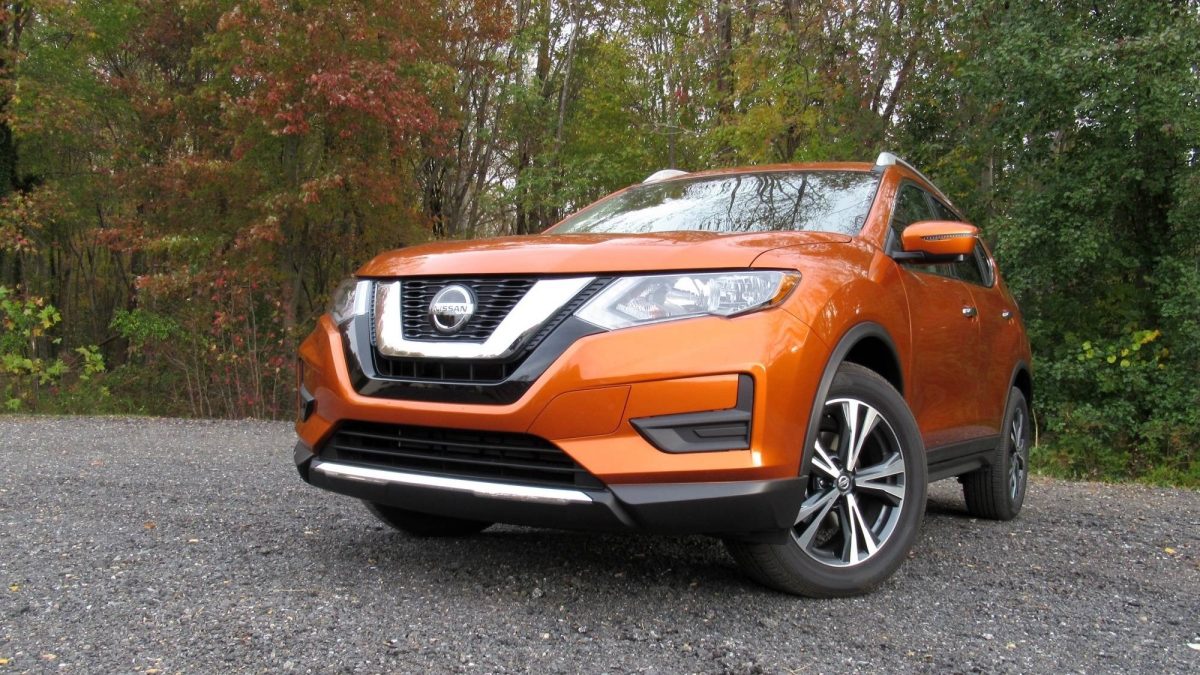
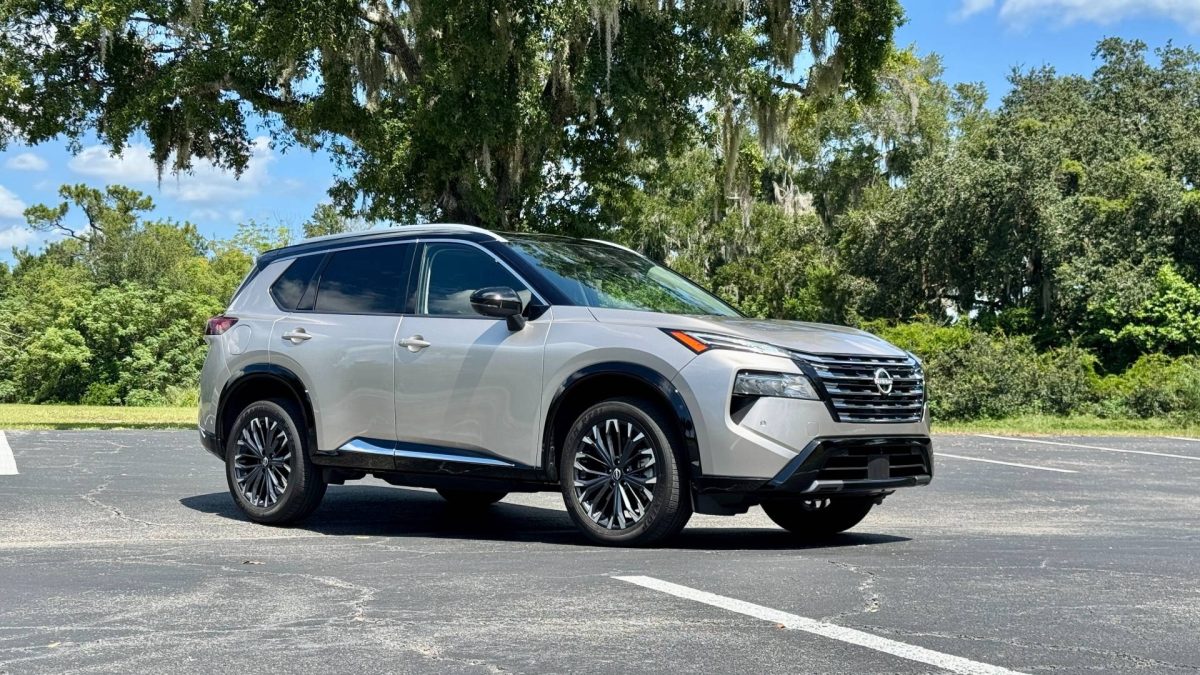
Nissan is negotiating with Ford and Stellantis to supply electrified vehicles based on its top-selling Rogue crossover.
The compact crossover would feature Nissan’s third-generation e-Power hybrid system, assembled alongside the Rogue in Smyrna, Tennessee.
The e-Power system uses an electric motor, powered by a battery, to drive the wheels, while a gasoline engine recharges the battery instead of directly powering the vehicle.
Nissan will introduce this technology to North America through the 2027 Rogue, which arrives in late 2026.
Discussions include potential collaboration on electric vehicle development, though one source noted it’s not quid pro quo and a deal could happen without EV partnership. General Motors is not currently part of discussions.
Nissan spokesman Brian Brockman said the automaker is exploring options to localize vehicle and powertrain production meeting growing US demand for hybrid technology.
The company remains open to dialogue delivering strategic, complementary market opportunities to core model development efforts, though no agreements are currently in place.
The third-generation e-Power system delivers 15% better fuel economy at highway speeds than the second generation, combined with 9% overall efficiency improvement.
The modular five-in-one approach refines the packaging of motor, reducer, inverter, electric generator, and increaser. In cabin noise drops by up to 5.6 dB while improved thermal efficiency lowers emissions.
Nissan plans to produce up to 138,900 e-Power compact crossovers in the fiscal year from April 2028 to March 2029, increasing to 161,630 annually over the following four years. Without partnerships, maximum annual production drops to 112,561 by fiscal year ending March 2033.
The Smyrna plant currently operates at just 51% of its 640,000 unit annual capacity. Pressure to optimize efficiency increased after Nissan announced closing several plants worldwide in May following $4.5 billion loss in 2024.
Chief Financial Officer Jérémie Papin attributed losses to lower volume, weaker mix, pricing pressure, and increased costs plus $405 million in restructuring expenses.
Nissan sales declined only 3% globally year over year despite losses, with North America actually increasing 2.8% in 2024. The Rogue accounted for nearly 30% of Nissan brand’s US volume last year.
Beyond the Rogue, Nissan plans using next generation e-Power in the Infiniti QX50 and possibly the Kicks subcompact. Collaborator Mitsubishi shows interest for its Outlander crossover, which shares the Rogue’s platform and already offers plug-in hybrid variant.
A deal would help Ford or Stellantis gain another hybrid model faster and cheaper than in house development. Ford delayed or canceled several EVs due to weak demand and could use mainstream combustion or hybrid models during this transition.
Nissan was EV pioneer with the 2010 Leaf but today stands as largest automaker with no mild or plug-in hybrid vehicles in the US.