Mercedes-Benz just pulled a complete U-turn on killing off its A-Class hatchback. Six months after announcing the current generation would be the last, the German brand now plans an all-new entry-level model for 2028 to keep fighting Audi A3 and BMW 1 Series rivals.
The reversal comes as Mercedes faces a harsh reality check. Global deliveries dropped 6% recently, driven by a brutal 19% collapse in electric vehicle sales. The A-Class provides crucial production volume that Mercedes desperately needs to stabilize its numbers.
Dealer pressure played a significant role in the decision. Mercedes extended the current A-Class lifespan after pushback from showrooms, who need affordable entry points to attract customers into the brand. The new model will arrive in 2028 just as the current generation reaches its natural seven-year lifecycle.
The successor will likely arrive as a hatchback only, ditching the four door sedan variant. Platform sharing with the next generation GLA SUV means similar track width and wheelbase dimensions, built on Mercedes’ flexible MMA architecture that accommodates both hybrid and electric powertrains.
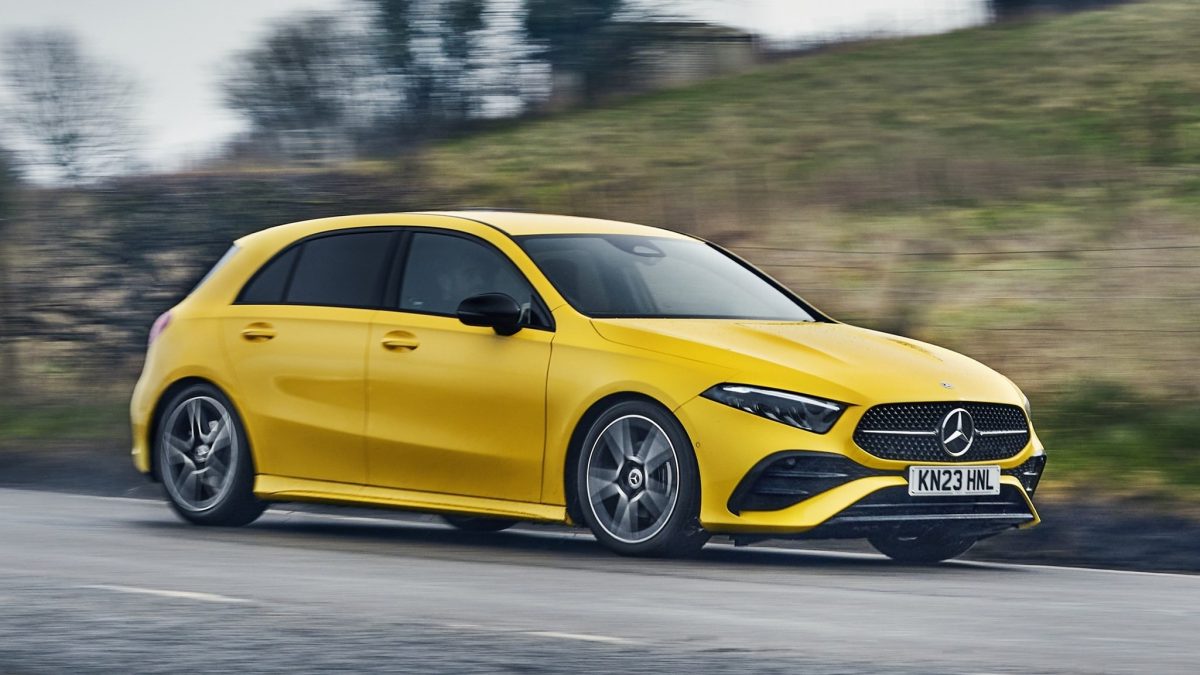
Following the CLA blueprint, the new A-Class could offer front-engined hybrid options in front or all-wheel drive configurations, plus rear and dual motor electric variants. This flexibility lets Mercedes adjust the lineup based on regional preferences and changing demand for different powertrains.
The sedan question remains murky. Mercedes might position the CLA four-door coupe as its compact sedan offering in markets like China, where three-box designs still matter. At 4.72 meters long, the CLA almost matches the 4.75-meter C-Class, potentially creating internal competition.
The MMA platform gives Mercedes regional customization options, crucial as different markets show varying appetite for hybrid versus electric powertrains. This adaptability represents a key advantage over dedicated EV platforms that lock manufacturers into single powertrain strategies.
The A-Class revival is evidence of how quickly luxury brands can change direction when sales reality hits. Mercedes initially planned to abandon the entry-level segment for higher margin products, but discovered that volume matters more than theoretical profit margins when overall deliveries start falling.
The decision ensures Mercedes maintains presence across all traditional premium segments rather than ceding ground to German rivals who continue investing in compact luxury models.