Lucid Motors wants to be the first automaker to sell Waymo-grade self-driving cars.
The electric startup announced it will incorporate Nvidia’s Drive AGX Thor computers, DriveOS operating system, and Drive AV autonomous software in its midsize EV lineup launching late 2026.
The goal is Level 4 autonomous driving with no human interventions required. Level 4 means full autonomy without supervision under specific conditions.
Waymo’s robotaxis are Level 4 because they only work in certain places. A theoretical Level 5 car could drive anywhere, anytime, rain or shine.
Lucid is targeting the sweet spot where a car essentially drives itself under normal circumstances without humans monitoring or intervening unless conditions change severely.
The rollout happens in stages. Level 2 eyes-on, point-to-point driving features arrive first, similar to Tesla’s Full Self-Driving Supervised suite.
Drivers put in a destination and the car navigates there under full supervision.
That launches with the midsize model and hits the Gravity SUV around end of 2026. The Gravity just gets new Nvidia software over its existing hardware.
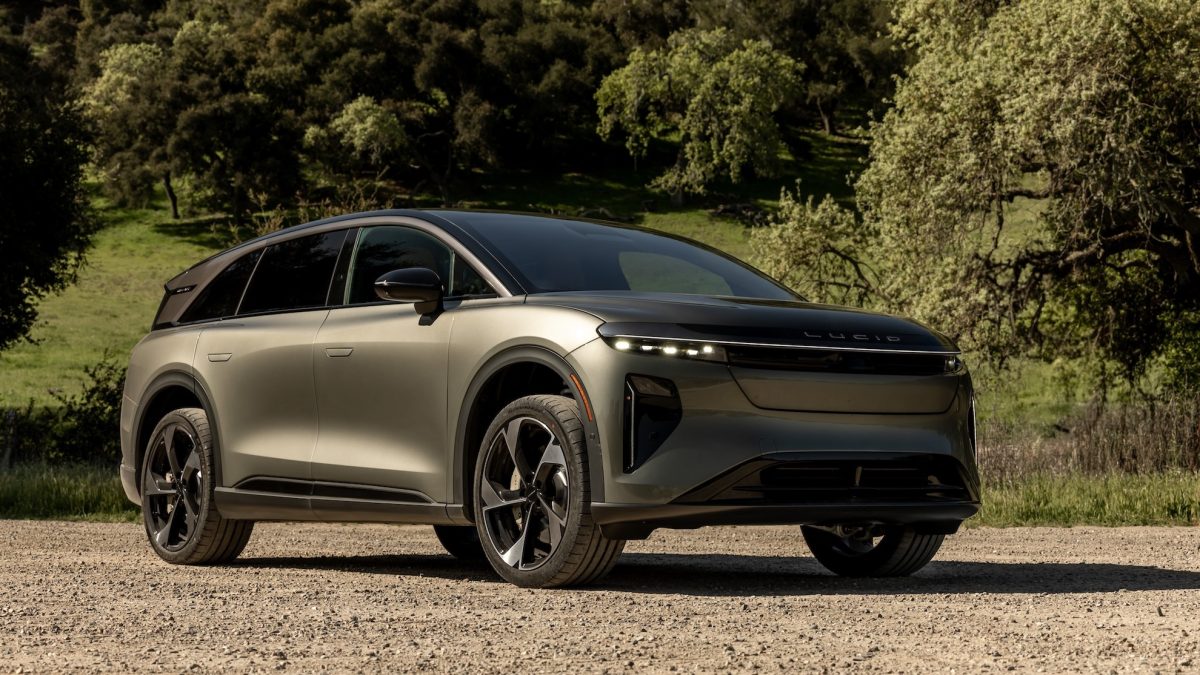
The midsize lineup benefits from two Drive AGX Thor computers and Nvidia’s multi-sensor suite architecture including lidar, radar, and cameras.
Lucid plans upgrading the midsize model’s capability to Level 4 over a couple years after launch.
That’s when hands-off, eyes-off, mind-off driving becomes reality. Think playing cards or watching TV while the car drives.
Interim CEO Marc Winterhoff said the plan is to debut the new system definitely in the coming years but declined specifying exact timing beyond not happening in 2026.
The midsize vehicles were already critical to Lucid’s survival after launching the expensive, low-volume Air and Gravity.
Now the company’s self-driving ambitions hinge on these next-generation models too.
This represents a strategic shift. Lucid’s DreamDrive system was always homegrown. It recently upgraded to offer hands-free highway driving.
Now the company leans on outside hardware and software for higher autonomy levels.
The decision focused on reaching advanced capabilities quickly without starting from scratch. That would cost too much money and take too long.
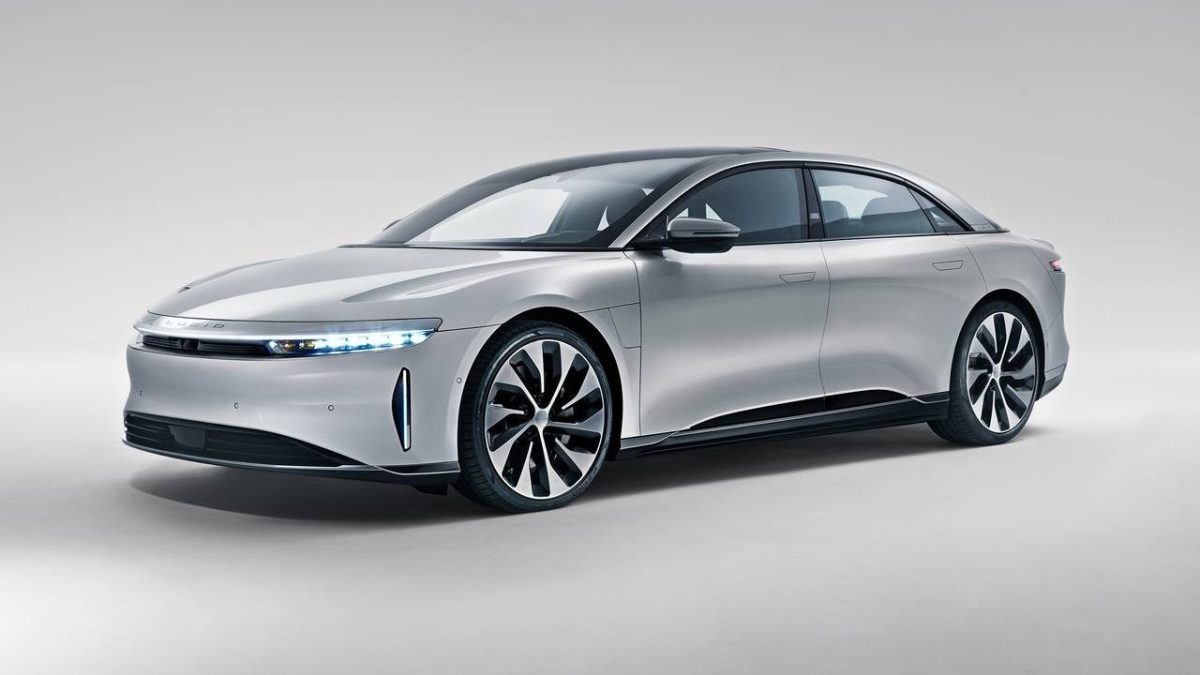
Many automakers promise personally owned self-driving cars. None fully cracked the code yet.
Mercedes-Benz offers Level 3 Drive Pilot for low-speed highway automation in Nevada and California.
GM aims to launch eyes-off Super Cruise with lidar in the 2028 Escalade.
Ford’s Latitude AI subsidiary works on building beyond BlueCruise. Tesla began driverless robotaxi rides in Austin but hasn’t delivered on Full Self-Driving promises.
The reward for winning this race will be massive. Navigating technological, regulatory, and legal hurdles to deliver a true self-driving car to customer driveways changes everything.