The Lexus LS is driving into automotive history after nearly four decades of redefining luxury sedan expectations. The flagship model that launched Lexus and proved Japanese brands could challenge Mercedes and BMW will end its run with the 2026 LS500 AWD Heritage Edition, limited to 250 units and priced just over $100,000
The Heritage Edition represents the final chapter for a nameplate that shocked the automotive world when it debuted at the 1989 Detroit Auto Show. The original LS400 delivered S-Class refinement at half the price, forcing established luxury brands to reconsider their value propositions entirely.
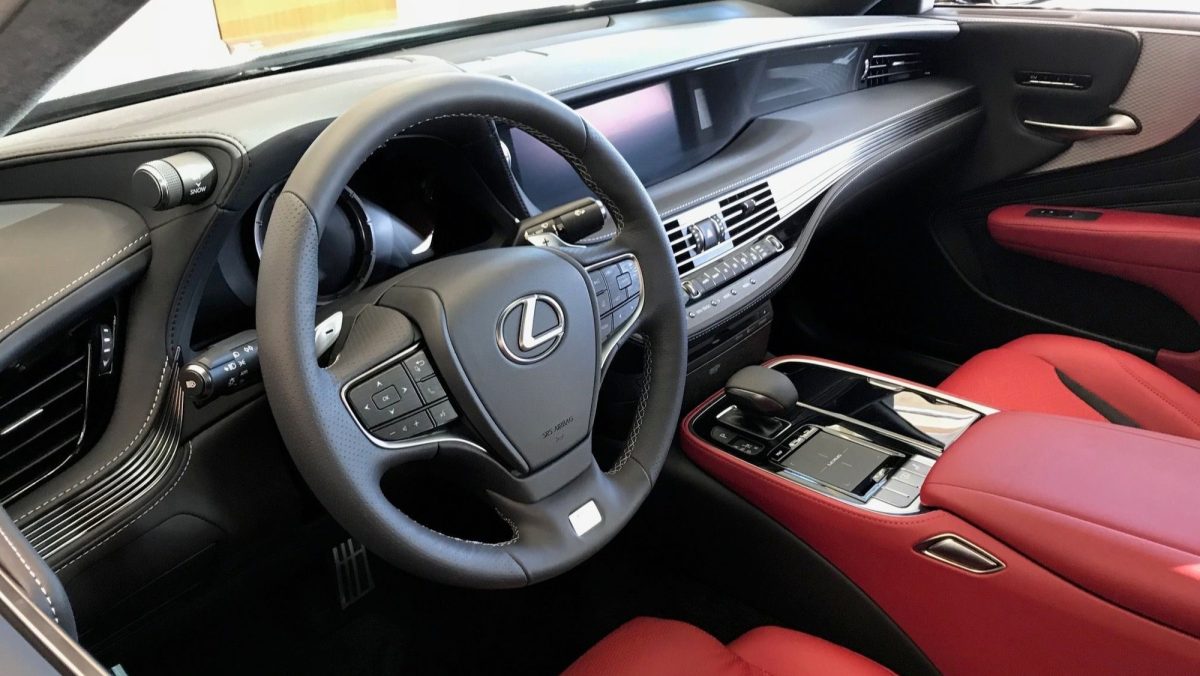
Finished in exclusive Ninety Noir paint with 20-inch Dark Gray Metallic wheels, the Heritage Edition features a first-ever Rioja Red interior complemented by Laser Special Black wood trim and brushed aluminum accents. Standard equipment includes the Mark Levinson 23 speaker Reference Surround System, Advanced Park feature, and Panoramic Surround View Monitor.
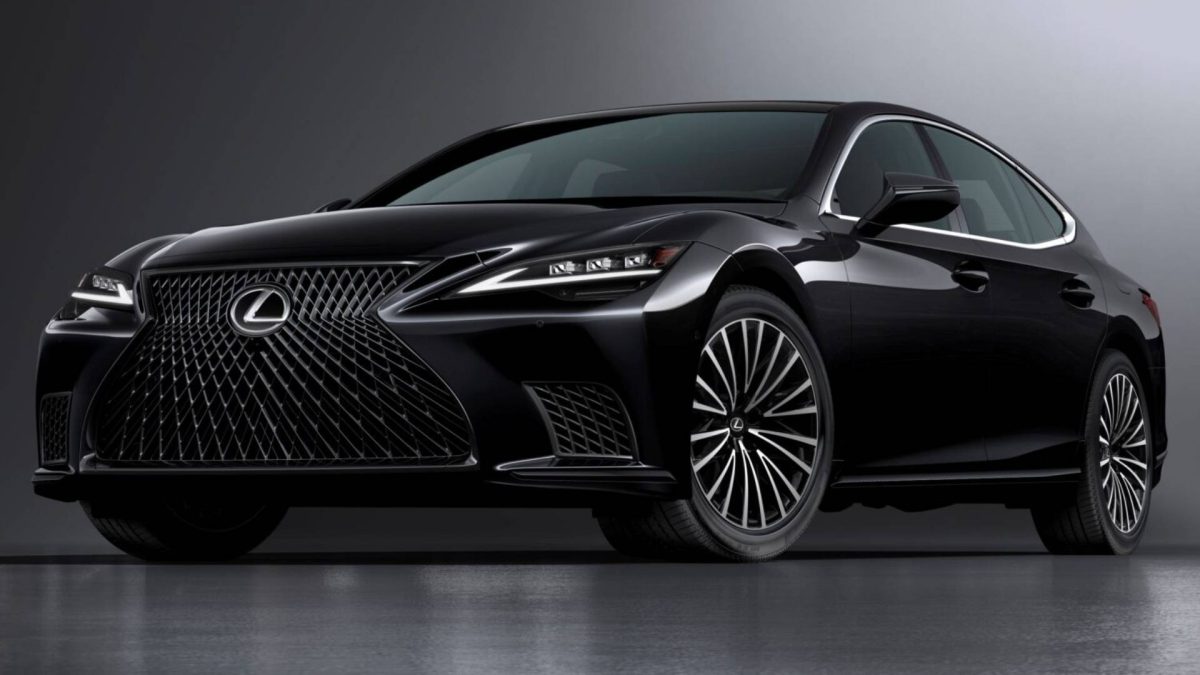
Power comes from Lexus’s 3.4-liter twin turbo V6 producing 416 horsepower and 442 lb-ft of torque, paired with a 10-speed automatic and Torsen limited-slip center differential. The combination delivers 5.2-second acceleration to 60 mph, though it lacks the V8 gravitas that defined earlier generations.
The original LS400 made an immediate impact when it arrived in 1990. Initial reviews praised its amalgamation of BMW and Mercedes design cues with American luxury sensibilities, delivered at an unthinkable $35,000 price point. The execution proved even more impressive than the value proposition.
Each subsequent generation maintained the LS tradition of refinement over excitement. The 1995 model added rigidity and adaptive suspension despite weighing 200 pounds less. The 2001 LS430 introduced a 4.3-liter V8 with Ultra Luxury trim, earning All-Star recognition despite conservative styling.
The 2007 LS600h L broke new ground as Lexus’s first six-figure model at $113,000, combining hybrid technology with a 5.0-liter V8 for 438 total horsepower. The current fifth generation launched in 2017 with radical styling based on the LF-FC concept, abandoning Toyota V8 engines for the twin turbo V6 still used today.
The LS established Lexus’ credibility that continues to support the brand today. Its methodical approach to luxury challenged European assumptions about craftsmanship and reliability, creating space for Lexus to expand into crossovers and performance models.
The sedan’s retirement reflects broader market trends favoring SUVs over traditional three-box designs. The Subaru Legacy also ends production this year after an identical 36-year run, signaling how much buyer preferences have shifted.