Jaguar officially rolled the final F-Pace off its Solihull production line, closing the book on internal combustion as the British brand prepares for an all-electric future.
The milestone carries extra weight considering more competitors across the industry are scaling back their EV ambitions.
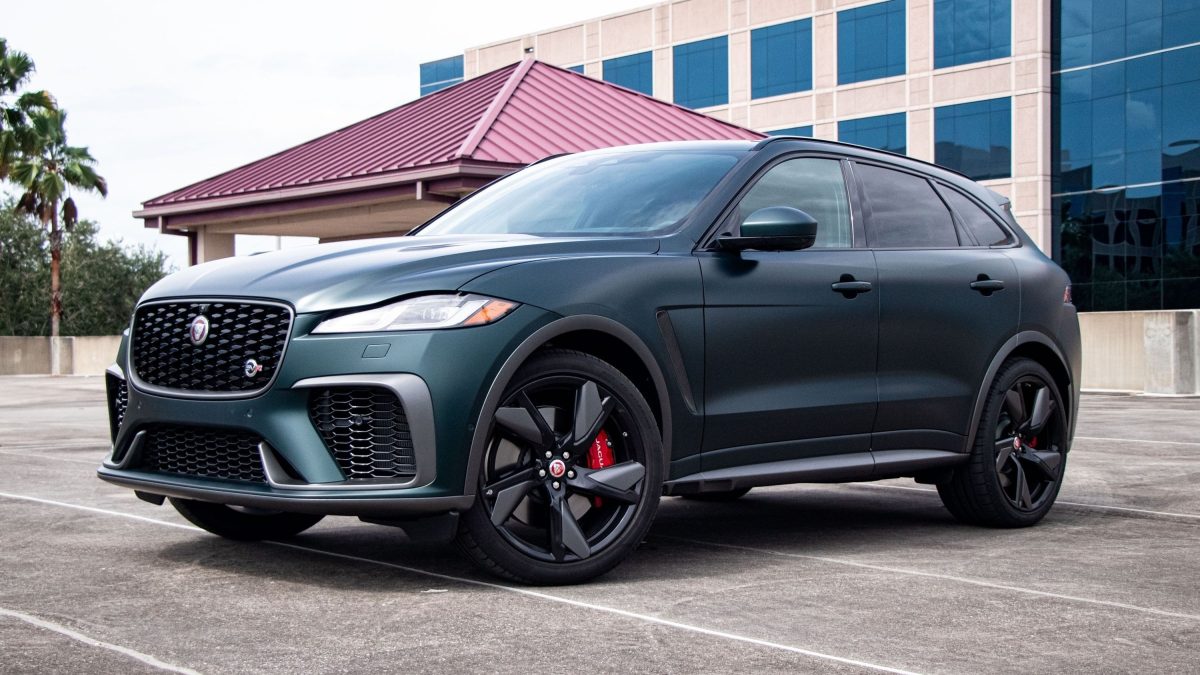
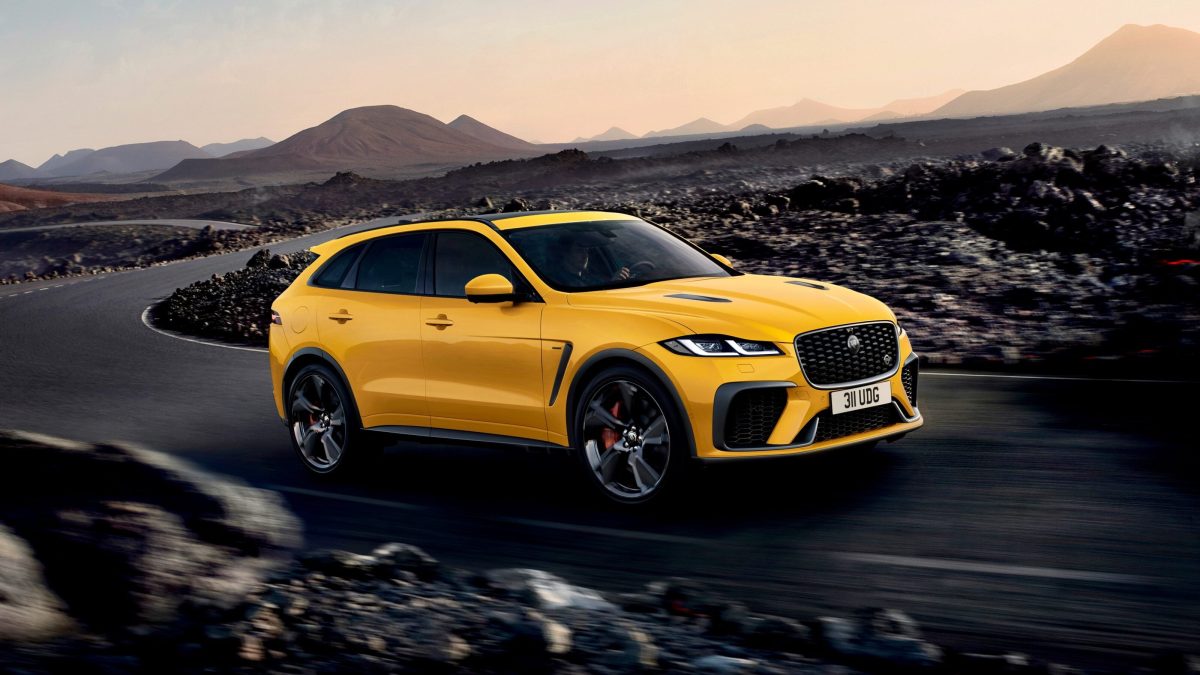
The last example built was an F-Pace SVR, the range-topping performance variant powered by Jaguar’s 5.0-litre supercharged V8.
That engine produces 542 horsepower and 516 lb-ft of torque in standard form, with the SVR 575 Edition pushing output to 567 horsepower.
As a fitting tribute, the vehicle wears the same black paintwork as the final E-Type that ended that lineage in 1974.
The car has been handed over to the Jaguar Daimler Heritage Trust in Gaydon, where it will be displayed alongside other historically significant models, including the final XE and the very first SS Jaguar.
The F-Pace bows out as one of Jaguar’s best-selling models of all time. More than 300,000 examples sold worldwide since its 2016 launch.
UK market sales ended last November, but production continued for the US, Australia, China, Europe, and other markets until now.
Officially, Jaguar no longer makes any models for any markets anywhere in the world.
While the F-Pace currently starts at around $57,000 in the US, that availability is time-limited.
As Jaguar restructures under its all-electric Reimagine strategy, the entire current lineup faces discontinuation. That includes the E-Pace, I-Pace, XF, and F-Type.
The I-Pace, Jaguar’s first battery-electric model, remains in service as part of Waymo’s autonomous vehicle fleet.
No direct replacement has been officially revealed, but Jaguar has offered a glimpse through the four-door grand tourer Type 00 concept.
The brand will present the first model in its reinvented electric range, a production version of the Type 00 concept, in the middle of next year.
Details remain limited, but early reports suggest a tri-motor configuration producing around 1,000 horsepower. That would place it in the same performance bracket as the Tesla Model S Plaid.
Several rivals that once committed to all-electric futures have already adjusted their strategies.
Volvo previously pledged to go fully electric by 2030 but has since pivoted toward a diversified lineup including plug-in hybrids.
Land Rover, Jaguar’s corporate sibling, has also slowed its EV rollout.
Earlier expectations of a larger electric lineup by 2026 now give way to a conservative rollout focused on key vehicles like the Range Rover EV. How these recalibrated strategies ultimately play out remains to be seen.
Jaguar will be hoping its reboot helps reverse recent sales challenges, even if that means operating as a more exclusive, niche brand going forward.
The company’s US website continues to list existing models for now, but their days are numbered as the electric transformation begins.