Ferrari’s EV launch was always going to get people talking. Now that it has, the debate is becoming much bigger than range, batteries or charging speeds. It is turning into a question about whether one of the world’s most recognisable luxury brands still understands what people actually want from a Ferrari.
The backlash arrived quickly. Within hours of unveiling the new Luce, Ferrari shares slipped around 8 per cent, social media filled with memes comparing the car to a Nissan Leaf, and former Ferrari chairman Luca di Montezemolo warned the company risked “the destruction of a legend.”
That is not the kind of reaction Ferrari is used to controlling.
RELATED: Ferrari’s First EV Will Test Whether The Brand Can Survive Without The Sound
Ferrari’s EV Problem Is Becoming An Identity Problem
The Luce is not a bad car on paper. It is fast, expensive and packed with enough engineering ambition to remind everyone Ferrari still knows how to build a serious performance machine. Ferrari says it will hit 60mph in around 2.5 seconds and push beyond 190mph.
But Ferrari has never been a brand people buy because the spec sheet looked sensible.
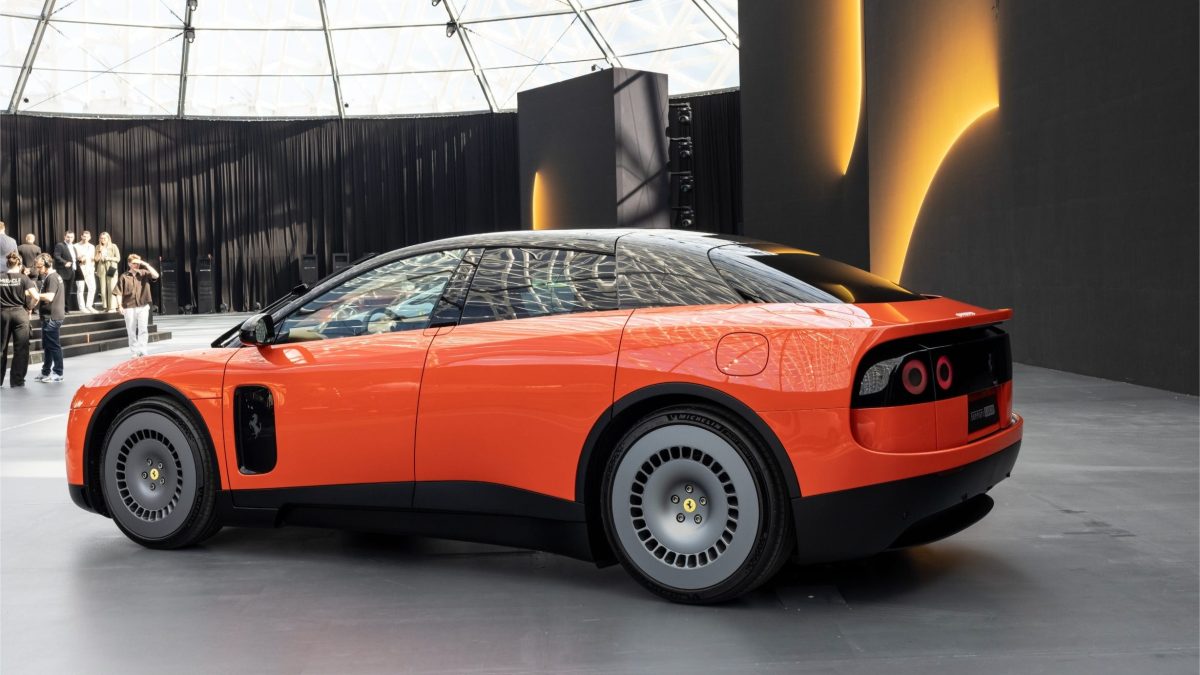
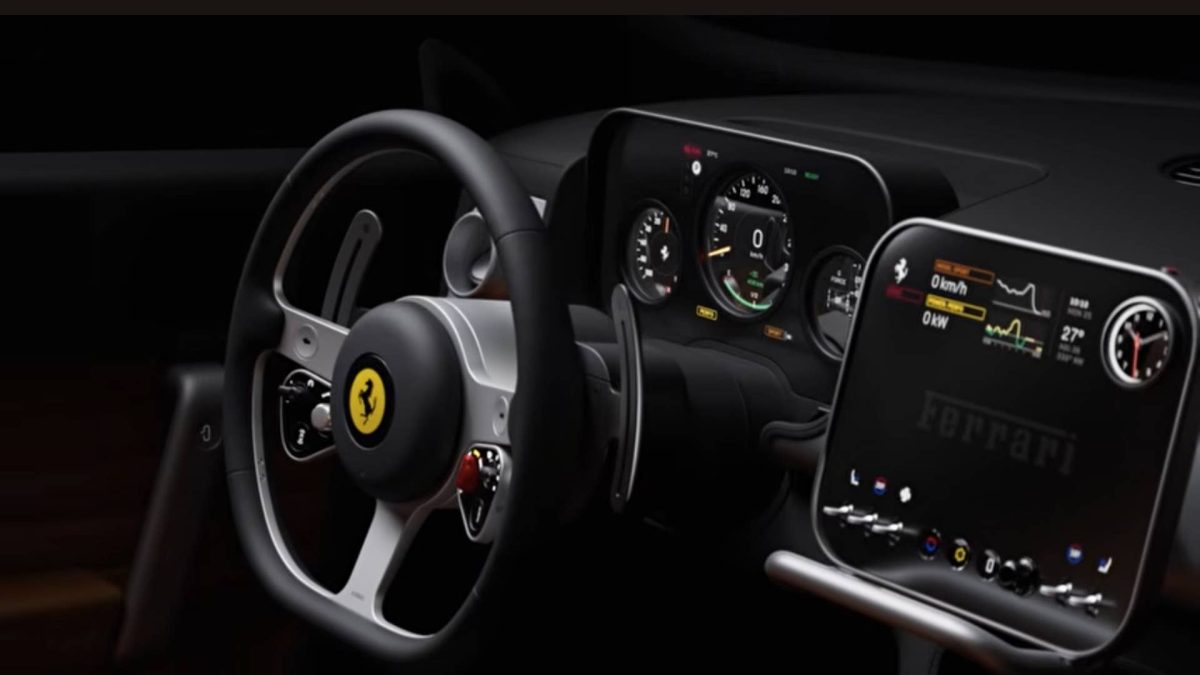
People buy Ferraris because they feel dramatic, excessive and emotionally extravagant in a way few other cars manage. That becomes harder when the design language starts drifting toward the same clean, glass-heavy EV styling already spreading across the luxury market.
A lot of Ferraristi seem less worried about the battery itself and more worried that the Luce looks too ordinary for something carrying a prancing horse badge.
The sound debate has not helped either. Ferrari developed a system to amplify the natural noise of the electric axles through the cabin and outside the car, which only reinforces how central engine character has always been to the brand’s appeal.
RELATED: Zlatan Ibrahimović Poses on Top of His Ferrari Enzo and LaFerrari in Latest Instagram Flex
Ferrari Chose A Tough Moment To Go Electric
Timing is adding even more pressure. Luxury carmakers across Europe are already slowing parts of their EV ambitions as wealthy buyers lose enthusiasm for ultra-premium electric cars.
Porsche has adjusted parts of its strategy, Lamborghini has cooled on full electrification and Mercedes-Benz has also had to rethink expectations. Ferrari walked directly into that uncertainty with a car costing around US $640,000.
And maybe that is why the Luce matters so much. Ferrari is not just testing whether its customers will accept an electric Ferrari. It is testing whether exclusivity still works when the product starts looking and behaving closer to the wider EV industry.
The answer right now looks less certain than Ferrari probably hoped. The Luce may still find buyers, because Ferrari rarely struggles to sell rare things to rich people. But selling the car is only half the job. The harder part is convincing the faithful that the future still feels like Ferrari.g the faithful that the future still feels like Ferrari.