Formula 1 CEO Stefano Domenicali has suggested that younger fans may see little difference between racing in Monte Carlo and Las Vegas. The Italian executive laid out his vision for F1’s future during an appearance on Italy’s The BSM podcast, explaining why historic venues face uncertain futures.
Domenicali addressed Imola’s removal from the 2026 calendar, noting the small venue only returned during COVID-19 when travel restrictions limited options. The pandemic created opposite problems from today, forcing F1 to invent protocols and bubbles just to keep the championship alive and produce television content.
He explained that F1’s global demand growth since then makes it difficult to justify the sport’s presence in small towns with limited infrastructure offering restricted value to fans. Historic venues face this reality check annually as their calendar spots remain perpetually threatened.
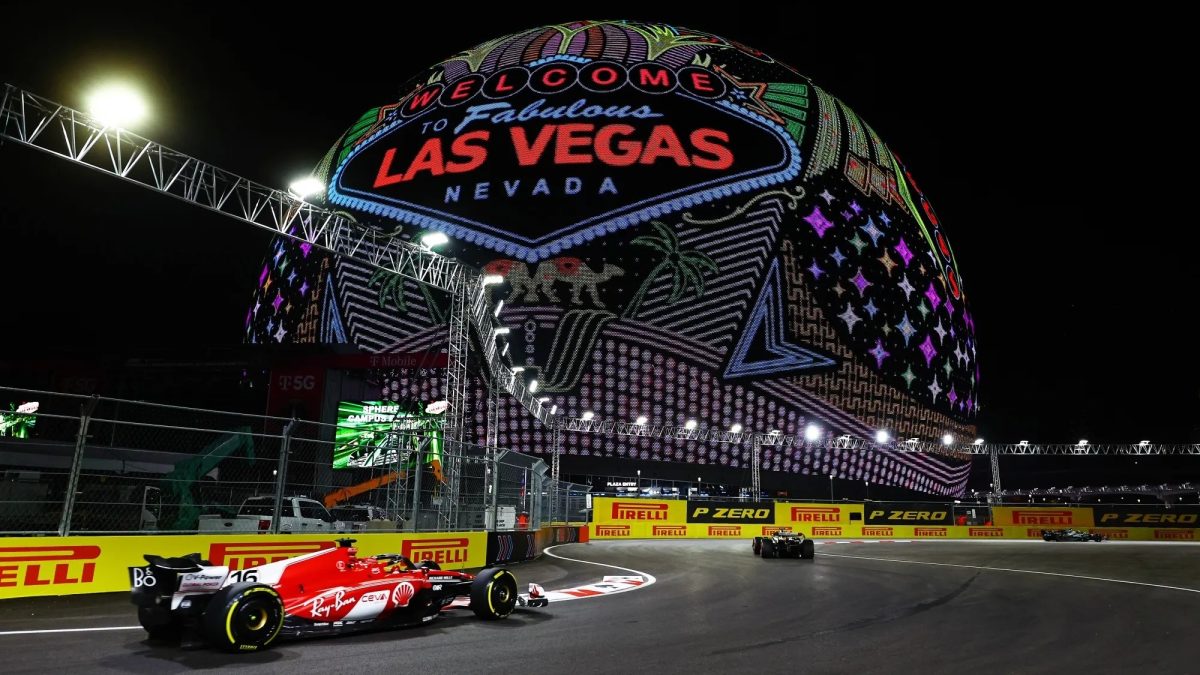
Historic value provides a plus for race locations but isn’t sufficient anymore, according to Domenicali. He noted that heritage appeals to longtime fans who’ve followed F1 since childhood, but new audiences don’t share that connection or appreciation.
Data shows younger viewers scroll through media quickly and forget previous race winners easily. Many young people following F1 today don’t distinguish between racing at historic Monte Carlo versus a new circuit in Las Vegas. Heritage should be supported, but only when paired with forward-looking infrastructure.
F1 returns to 24 races worldwide next year as Domenicali detailed recent growth and strategic evolution. The series no longer operates purely as racing competition but functions as an entertainment machine competing against other mass events for audience attention.
The sport is attracting new young fans and involving female audiences at unprecedented levels. Domenicali pointed out that F1 now exists in an entertainment dimension rather than just sporting context, competing for attention against films, podcasts, and concerts.
The strategy balances retaining longtime followers while making newcomers think attending F1 races looks cool and appealing. Creating that social proof and desirability among new demographics drives calendar decisions favoring venues offering broader entertainment value. The comments reveal an uncomfortable truth about the modern sports business.
Historic significance and racing purity matter less than metrics, demographics, and entertainment competition. Traditional venues built F1’s legacy but apparently don’t guarantee their own survival in an era prioritizing Instagram moments over racing heritage.
Domenicali’s blunt assessment suggests iconic tracks like Monaco, Monza, and Silverstone can’t rely on history alone. They must deliver modern infrastructure, entertainment experiences, and appeal to audiences who measure value differently than previous generations.