The $7,500 federal EV tax credit’s September 30 expiration triggered a buying frenzy, but the party’s over. Industry analysts expect electric vehicle sales to crater in Q4 2025 and remain depressed through 2026 as policy shifts eliminate key incentives.
EV sales surged 18% in August to more than 146,300 units as buyers scrambled to use the credit before it expired. Morgan Stanley analyst Adam Jonas warned at a recent conference that next year could be “a pretty dreadful year for EVs in this country.”
Automakers are already preparing for the downturn by slowing battery-powered car production, canceling planned models, and redirecting resources toward gasoline and hybrid vehicles. The shift marks a stark reversal from just a few years ago, when manufacturers believed electric vehicles were poised for explosive growth.
President Trump and Congressional Republicans dismantled the policy framework supporting EVs, with Trump frequently characterising climate change as a hoax and dismissing Biden-era climate policies as scams. Republican lawmakers suspended penalties for automakers missing fuel economy targets, alongside Trump raising import tariffs.
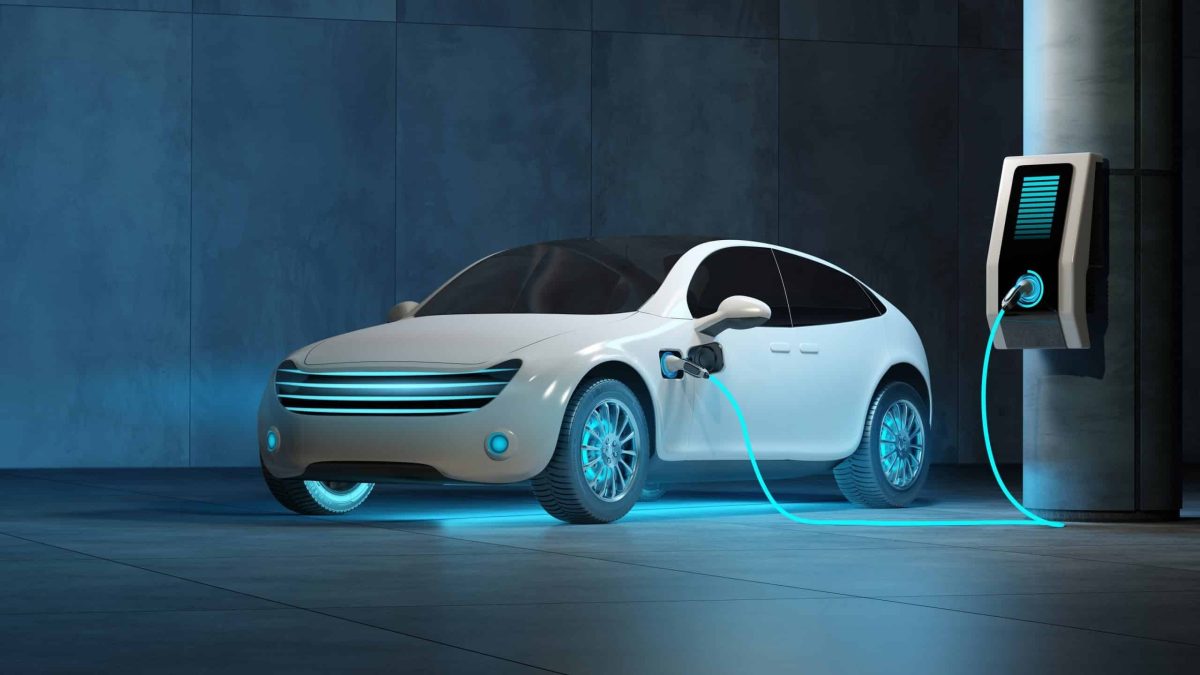
These changes eliminate pressure on manufacturers to sell more electric models. Since most automakers besides Tesla lose money on EVs, lower sales should mean smaller losses.
General Motors CFO Paul Jacobson announced his company is shifting from expanding its EV lineup and sales volume toward reducing manufacturing costs. GM idled its Hamtramck, Michigan, factory producing electric models this month, suspended production at a Tennessee plant for weeks, and will cut to single shift operation when it reopens in January.
Honda scrapped an electric Acura. Stellantis canceled a battery-powered Ram pickup. Nissan stopped importing its Ariya electric SUV from Japan. Ford is overhauling its money-losing EV division with plans for affordable models arriving in 2027, including a $30,000 pickup well below current pricing.
Tesla and Rivian face tougher challenges without gasoline vehicles to cushion the blow. Both companies are losing a crucial revenue stream from selling emission credits to established automakers who couldn’t meet federal clean air regulations. Tesla generated $439 million from regulatory credit sales in Q2 2025, contributing significantly to its $1.2 billion quarterly profit.
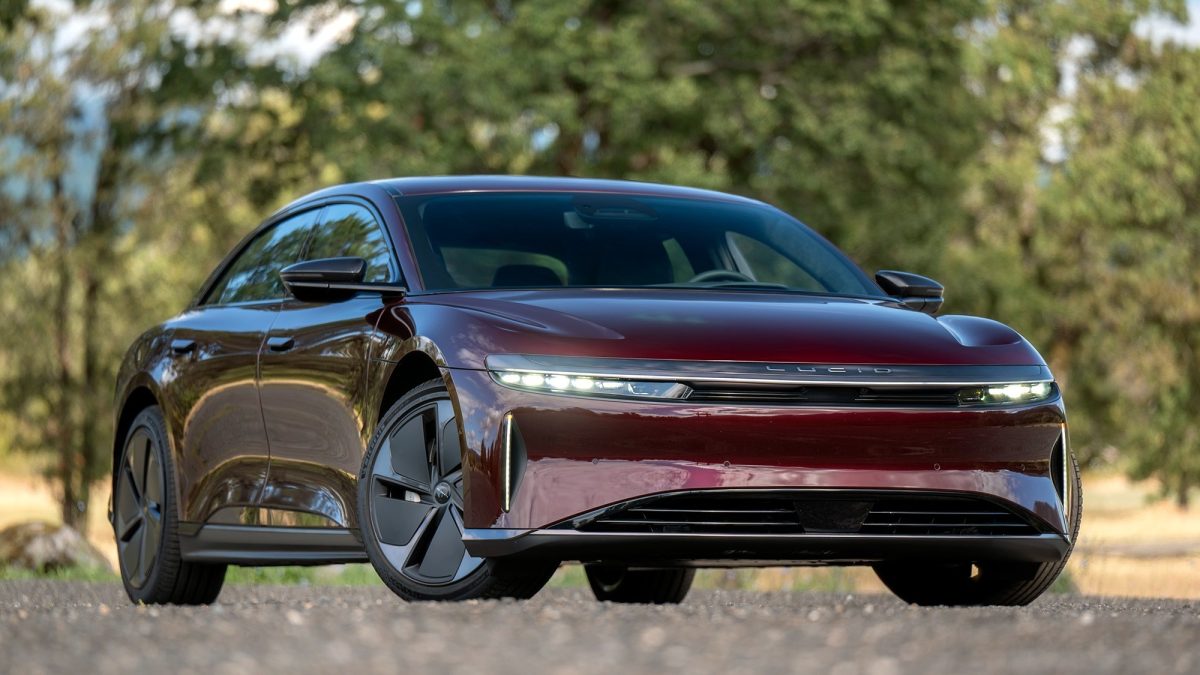
Some executives maintain optimism that sales will eventually recover, particularly if manufacturers deliver compelling $30,000 models. J.D. Power noted that EV sales in Germany and Canada dropped sharply after subsidy elimination but eventually started growing again.
Albert Gore III, executive director of the Zero Emission Transportation Association, argues people genuinely like electric vehicles for their modern features and driving dynamics. He believes manufacturers offering compelling, affordable EVs in high volume will be rewarded once the market stabilises.
The question isn’t whether EVs have a future but how long recovery takes once artificial incentives vanish and vehicles must compete on genuine merits rather than government support.