China is reportedly planning to ban retractable car door handles as early as mid-2027, a move that could kill the technology globally. The world’s largest car market is growing concerned about safety issues with flush-fitting handles that pop out when touched.
The proposed rules would target handles that sit flush with bodywork until activated, whether through powered mechanisms like the BYD Seal or press lever systems found on the Tesla Model Y. Both Chinese brands like Leapmotor, Deepal, Zeekr, and XPeng, plus global manufacturers including Land Rover and Tesla, have adopted the tech.
Safety concerns are mounting over operational failures in extreme conditions. Reports detail mechanisms freezing in cold weather, malfunctioning from water ingress, or failing completely and trapping occupants inside vehicles. The handles often pair with power-operated door latches that replace mechanical levers with buttons, adding another potential failure point.
Some models include physical emergency releases, but these can be buried under trim pieces and are hard to locate during emergencies. Tesla owners have reported struggling to find manual overrides during critical moments.
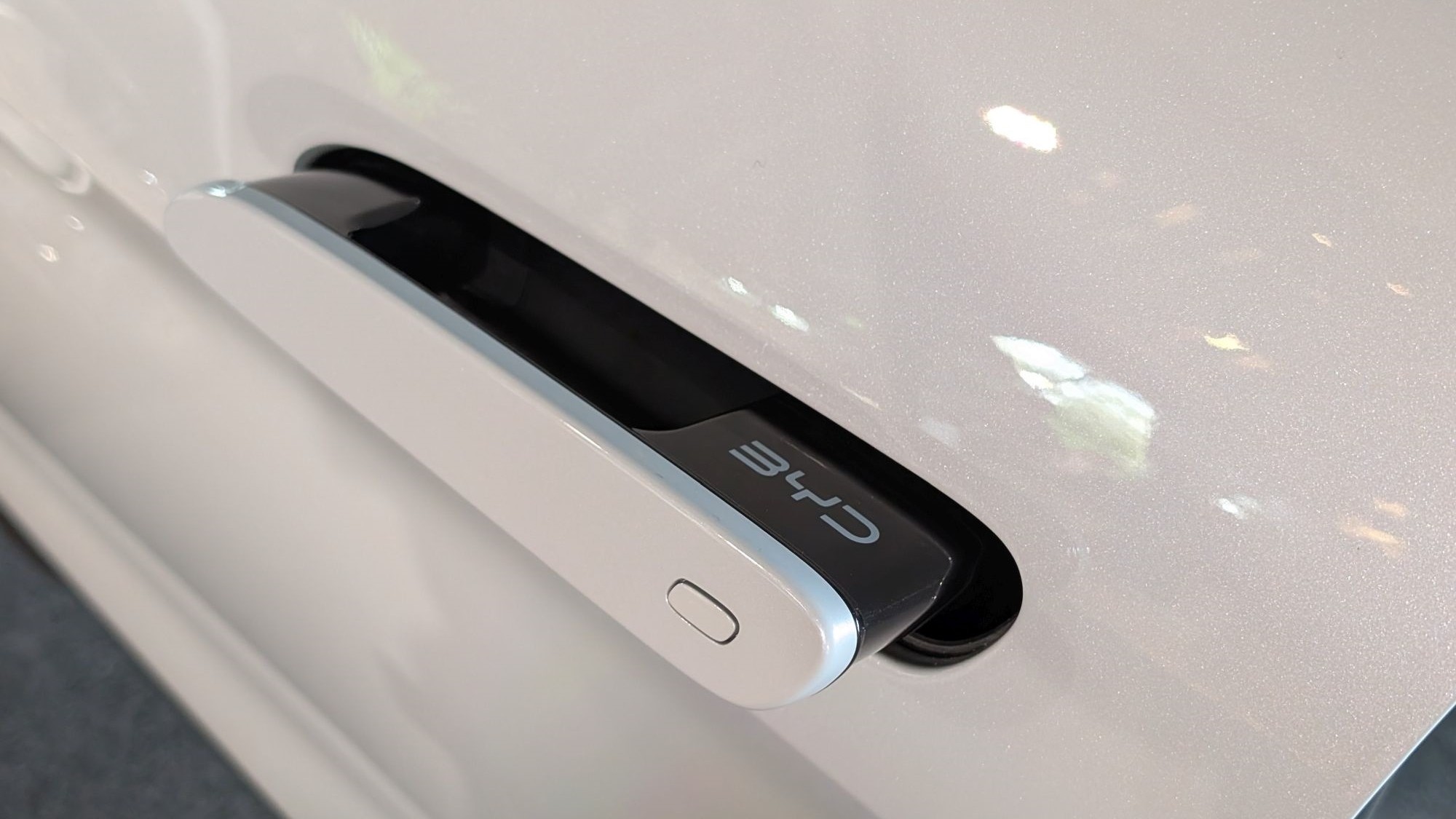
Car brands justify flush handles by claiming improved aerodynamics that could marginally extend electric vehicle range. However, research suggests the electric motors powering these systems often weigh more than traditional door hardware, negating aerodynamic gains.
China’s proposed ban would target fully retractable handles, besides allowing semi-concealed versions or traditional handles with electric opening mechanisms that include mechanical redundancies, similar to the new Lexus NX setup.
If China follows through, the global impact could be massive. Manufacturers typically design systems suitable for all major markets rather than creating region-specific solutions, meaning Chinese regulations could effectively end retractable handles worldwide.
Australia’s ANCAP already evaluates power-operated door systems, requiring occupants to escape within two minutes using easily accessible secondary systems even if the 12-volt electrical system fails.
The tech looked slick, but safety trumps style every time.