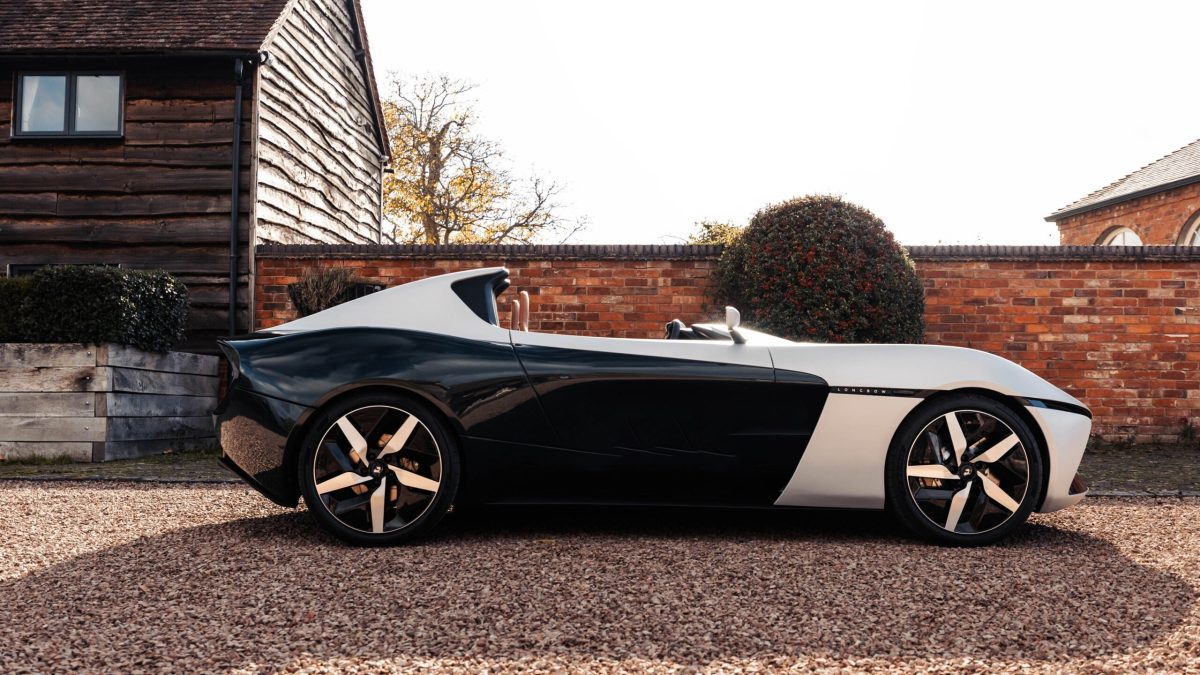
A prototype of Longbow’s ultra-light electric sports car has been unveiled and it is already capable of full-speed driving.
The British startup went from two-dimensional design sketches to running a prototype in six months.
The company was only incorporated in 2023. That development speed is roughly a third of what traditional automakers require.
The Speedster weighs just 895 kilograms at the kerb despite packing a 52 kWh battery, inverter, and rear-mounted electric motor.
Power output reaches at least 200 kW or 270 horsepower. Zero to 62 mph happens in 3.5 seconds.
WLTP range hits 275 miles. Driven briskly, the real-world range should exceed 200 miles.
Pricing starts at $112,195 for the Speedster. First deliveries reach customers at the end of next year.
The initial production run of 150 units is already allocated. A coupe version called the Roadster followed about a year later with higher volume production and a lower $85,775 starting price. Orders for both are being taken now.
Founders Daniel Davey and Mark Tapscott both have previous connections with Tesla and Lucid.
They call their design the world’s first Featherweight Electric Vehicle. The emphasis is 95 percent sports car and 5 percent EV. Road test trials are just beginning.
The car takes deliberate styling cues from iconic British sports cars like the Jaguar E-Type and Lotus Elise.
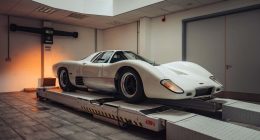
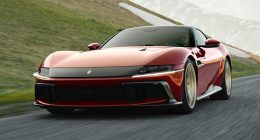
Specific design references include the Shelby Cobra Coupe and Ferrari 288 GTO from the 1960s and 1970s.
The shape in plan contains a reference to an archer’s longbow drawn back and ready to fire.
Davey emphasized their philosophy clearly. Beautiful cars stay relevant. Their shape keeps them that way.
Some of the cars they love most have already been around for 60 years.
The Ferrari GTO is probably crude by modern standards but its shape makes it great as ever.
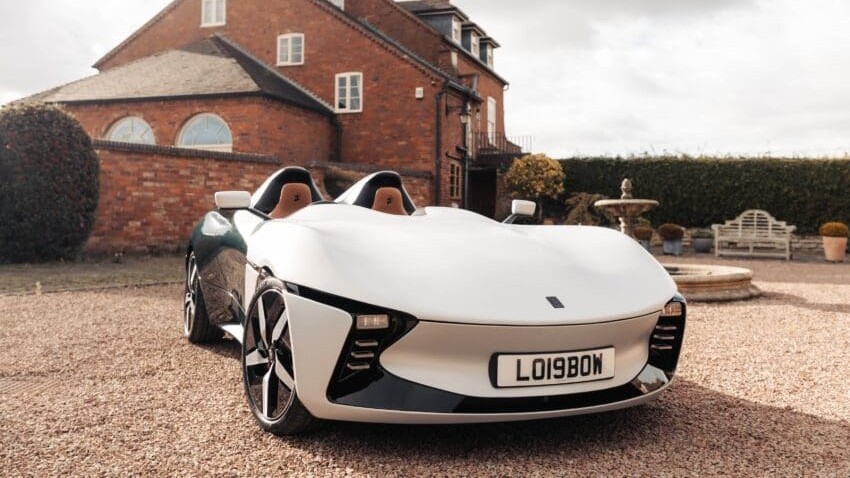
The founders call their approach a 100-year accord. They intend to keep the car appealing and relevant a century from now.
Designers deliberately avoided devices that would date it. The electric powertrain keeps it relevant long term.
They compromise in the future for beauty even if that affects aerodynamics. The one promise is always lightweight.
The prototype doesn’t contain the fully designed interior yet. Design sketches combine modern aluminum-based architecture with twin round dials ahead of the driver instead of dashboard screens.
An old school ignition key appears alongside a centrally mounted stick shift lever acting as drive selector.
The extruded aluminum chassis is a newly created version of Cornwall-based Watt EV’s PACES skateboard platform.
It integrates the battery into the chassis structure. This saves weight and space while optimizing weight distribution for cornering handling. Suspension uses Watt EV-designed double wishbones all round.
No production deal has been signed yet. Davey said two or three partners in the UK are capable of making the cars but declined specifics.
Suitable locations could include Lotus’s Hethel plant or a new white label facility being built by Watt EV in Coventry.
Production targets are ambitious. After 150 Speedsters initially, the company aims for around 2,000 cars annually including the Roadster. By 2030, Longbow targets 10,000 total cars built.
The advisory board includes former McLaren boss Mike Flewitt, ex-Lotus Europe chief Dan Balmer, and Michael van der Sande, whose background spans Lucid Europe and Alpine.