BMW just threw down a bold challenge to Chinese competitors, claiming it can now develop and launch vehicles faster than the brands threatening its dominance. Development boss Joachim Post told German business newspaper Handelsblatt that BMW has kicked into a higher gear nobody can match.
“No one will be able to imitate what we have planned for the next two years anytime soon,” Post said. “What we are doing now is more than China speed.” He even claimed BMW can now bring cars to market “the way you bake pretzels, as they say in Bavaria.”
The confidence comes after years of heavy investment in the Neue Klasse program. Between now and late 2027, BMW plans to launch more than 40 new or heavily updated models. Not all will be next-generation vehicles, but everyone gets Neue Klasse design and technology to varying degrees.
Artificial intelligence drives the accelerated timeline. Post admitted BMW “needed significantly more manpower in the past,” but claims just 1,000 people can now develop future BMW models. That represents a massive reduction in human resources, replaced by AI-powered development processes.
The lineup expansion goes beyond refreshing existing nameplates. Beyond next year’s i3 sedan and iX5 electric SUV, BMW reportedly plans an i3 wagon, iX4, and a rugged SUV offered with both combustion and electric powertrains. Entry-level i1 and i2 electric models are also strongly rumored.
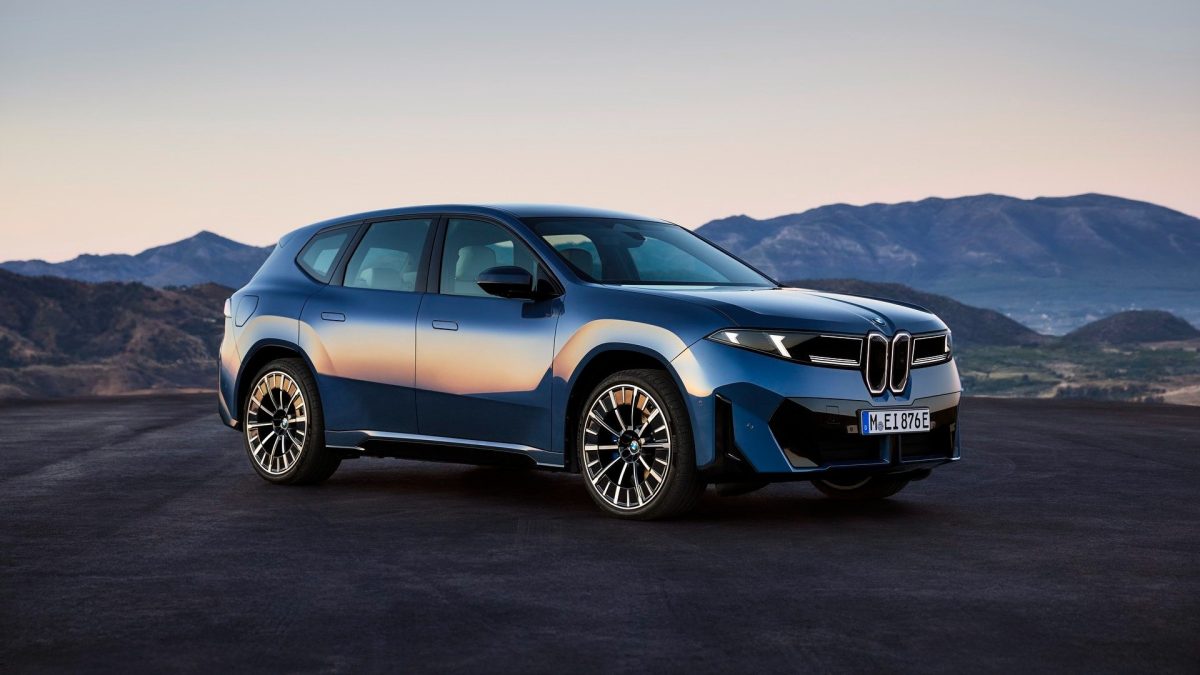
Electric M cars top the Neue Klasse hierarchy, starting with the M3 ZA0 arriving in 2027. This represents BMW’s answer to high-performance EVs from Chinese brands like BYD and Nio that are capturing younger luxury buyers.
The strategy targets BMW’s biggest weakness. The German brand struggles in China, particularly in the EV segment, where domestic manufacturers launch new models and entire brands at a breakneck pace. Chinese luxury startups threaten the traditional premium positioning that BMW, Mercedes, and Audi once dominated.
BMW insists it won’t sacrifice quality for quantity despite the accelerated launch cadence. The company maintains that AI augmentation, rather than the replacement of engineers, ensures proper development standards while dramatically reducing time from concept to production.
The pretzel baking claim sounds ambitious, given BMW’s traditionally methodical development approach. Chinese brands already demonstrate the ability to bring vehicles from design to production in timeframes that shock established manufacturers. Whether BMW can actually match or exceed that pace remains to be seen.
The announcement echoes how dramatically competitive pressure has shifted. A decade ago, German brands set the pace. Now they’re scrambling to match Chinese speed and innovation, fundamentally rethinking development processes to survive in markets they once controlled.