BMW is about to roll out the biggest product transformation in its history, overhauling more than 40 models by the end of 2027. The changes will be so dramatic that even facelifted cars will appear completely new, according to Neue Klasse head Mike Reichelt.
The German automaker is abandoning traditional mid-cycle updates in favor of comprehensive overhauls that bring Neue Klasse design and technology to existing models. Reichelt said BMW has never made such major changes during a product’s lifecycle, noting that standard facelifts would only make the current vehicles feel like an old portfolio.
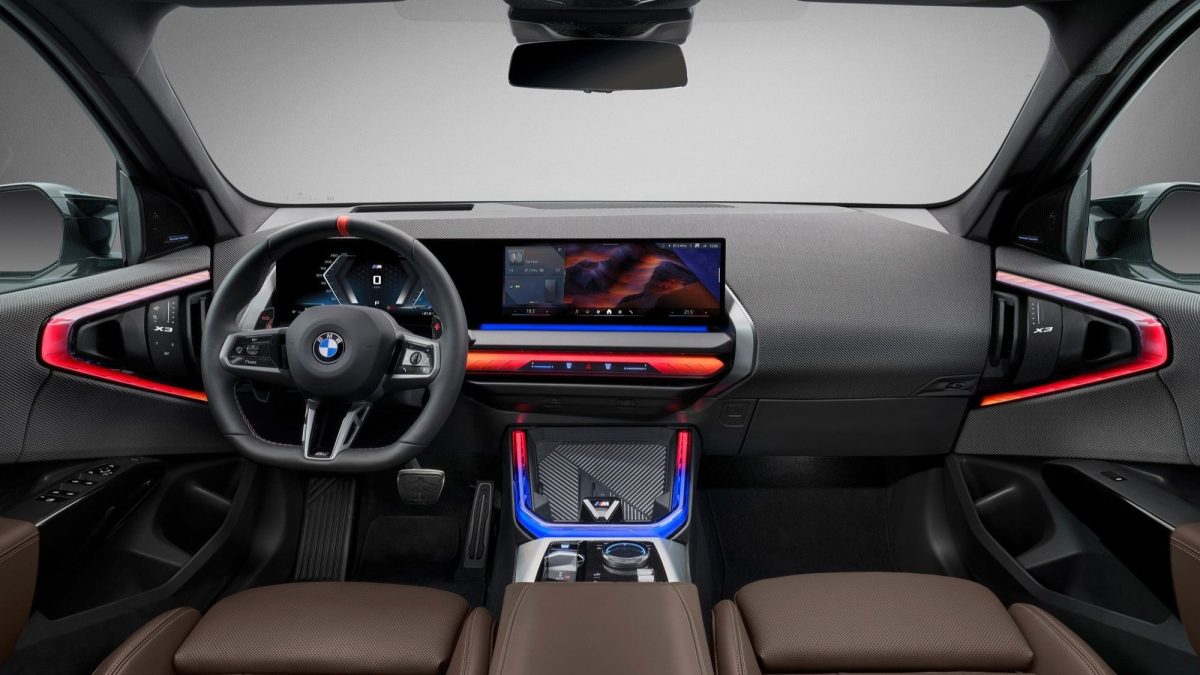
Every model will receive the iDrive X central touchscreen and Panoramic Vision projection system pioneered by the iX3. The technology transfer includes advanced driver assistance systems and digital features that represent “quantum leaps in technology,” extending beyond EVs to combustion engine cars as well.
The styling transformation will spread across the entire range, bringing retro-inspired kidney grilles and cleaner surfacing to established nameplates. These aren’t structural body changes but comprehensive design refreshes that fundamentally alter each model’s appearance and character.
BMW is simultaneously expanding its portfolio with at least five additional models: i1, i2, i3 Touring, iX4, and a rugged SUV available with both gas and electric drivetrains. Rumors suggest even more variants, including a two-door i4 coupe and convertible, could join the lineup.
The electric offensive includes the launched iX3, next year’s i3 sedan, and recently confirmed iX5. Spy shots reveal the second-generation X7 will spawn an iX7 variant, with a potential iX6 also under consideration. The next few years represent BMW’s busiest product launch period ever.
Some casualties are inevitable during this massive overhaul. The Z4 and 8 Series both bow out in 2026 without direct successors. The iX and XM will likely follow later this decade as BMW streamlines its electric portfolio.
The most surprising potential loss involves the 3 Series Touring, with the G51 generation possibly being cancelled before production. This would mark the first time since the E30 Touring’s 1988 debut that BMW lacks a 3 Series wagon with combustion engines.
An electric i3 Touring would fill that gap, but losing the traditional 3er wagon would end a 35-year tradition for BMW’s most important model line.
The transformation reflects BMW’s recognition that half measures won’t work during the industry’s electric transition. Rather than gradual evolution, the brand is choosing revolutionary change that repositions every model for the Neue Klasse era.
Buyers face interesting timing decisions as current models approach obsolescence compared to their dramatically updated successors arriving over the next three years.