BMW is about to overhaul its entire model range with technology from the new iX3, rolling out 40 new or facelifted vehicles over the next 24 months. The rapid timeline means roughly one reveal every six weeks as the German brand races to prevent its current lineup from feeling outdated.
Mike Reichelt, head of BMW’s Neue Klasse program, told media that the platform represents such massive technological advancement that failing to integrate it across existing models would make the current portfolio feel ancient by comparison. The progress BMW achieved essentially skipped an entire model generation, forcing the brand to accelerate updates across the range.
The updates won’t involve changing the body structures of existing models. Instead, BMW will integrate Neue Klasse design language, Panoramic iDrive system, advanced driver assist features, and digital architecture, including enhanced cybersecurity, improved over-the-air updates, and AI capabilities.
The iX3 represents BMW’s first software-defined vehicle, using four superbrains that reduce the number of computer control units dramatically. These processors give BMW unprecedented control over vehicle operations, with one specifically managing EV dynamics through what the company calls the Heart of Joy system.
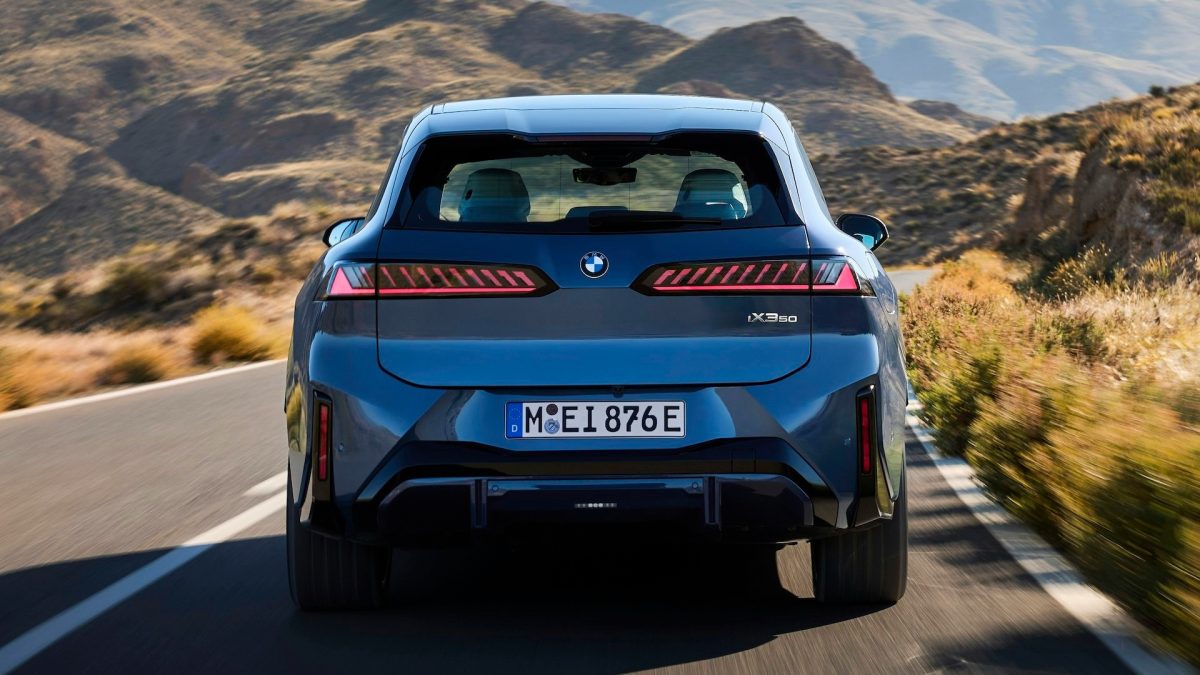
This superbrain integrates drivetrain, brakes, energy recuperation, and steering functions with processing speeds 10 times faster than previous systems. Some superbrains handle driver assist systems, infotainment, and comfort functions separately. The new digital architecture cuts weight by 30% compared to previous technology and eliminates 2,000 feet of wiring.
Integrating Neue Klasse digital platform across the lineup suggests future models will retain core physical controls. BMW analyzed user data before finalizing the iX3 design and discovered people genuinely prefer traditional volume knobs, prompting the decision to keep physical controls in the new crossover.
The move reflects BMW’s recognition that half measures won’t work during this transition period. Rather than letting the current lineup age gracefully before replacement, the company is essentially backporting next-generation technology into existing models to maintain competitive relevance.
Reichelt didn’t specify when the rollout begins, but the aggressive timeline suggests announcements will start flowing soon. Forty launches over 24 months represent a product cadence that most manufacturers would struggle to sustain even under normal circumstances.
The strategy carries risks. Rapid integration of new technology across diverse platforms could introduce quality issues or create inconsistent user experiences between models at different stages of the update cycle. BMW appears willing to accept those risks rather than watch competitors gain technological advantages.