The BMW i3 is back. Sort of. The quirky little urban EV that was quietly retired in 2022 has nothing to do with this car beyond the badge. What BMW has revealed is a fully electric 3 Series, the second model built on the company’s Neue Klasse modular EV platform, and given the 3 Series has been the brand’s global bread and butter for decades, it might just be the most consequential electric car BMW has ever made.
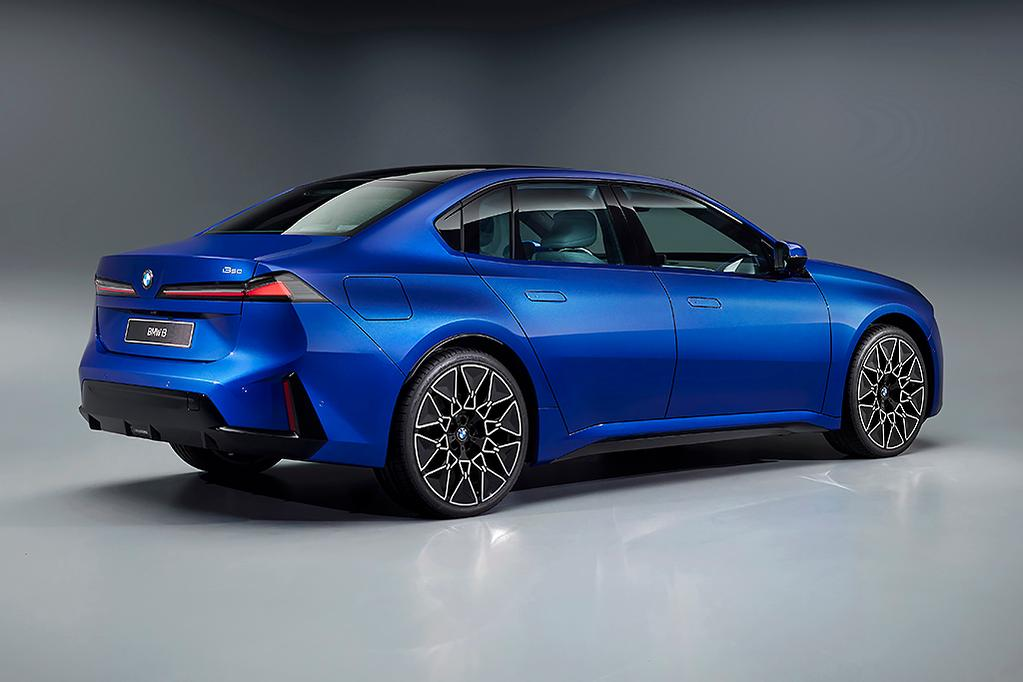
The headline number is range. The i3 50 xDrive claims 901km (560 miles) on the WLTP cycle, comfortably topping the iX3 SUV’s already impressive 805km (500 miles) figure. That advantage comes down to the sedan’s slipperier shape, paired with BMW’s new cell-to-pack battery architecture using liquid-cooled cylindrical cells with more nickel and less cobalt, delivering a 20 per cent bump in energy density over the outgoing tech. An 800-volt system improves charging speeds by a third, topping out at 400kW.
Power comes from twin motors producing 350kW (469hp) and 645Nm of torque. Pricing and delivery timelines haven’t been confirmed yet, but BMW has indicated the car will arrive in the second half of this year.
What’s New Under The Skin
The Neue Klasse platform represents the single biggest financial investment in BMW’s history. New motors, new inverters, new batteries, new charging tech, and critically, a new centralised computer designed specifically around driving dynamics. WIRED’s earlier test of the iX3 on the same platform found the system delivers a ride quality that genuinely surprised, suggesting the i3 should follow suit.
The car also brings vehicle-to-load (V2L) capability for powering household appliances, vehicle-to-home (V2H) to feed energy back to your house, and vehicle-to-grid (V2G) for selling power back to the energy market. A “Soft Stop” feature uses brake recuperation to bring the car to a complete standstill with minimal pitching, something WIRED noted worked so well on the iX3 that it put Rolls-Royce’s $420,000 Spectre to shame.
The Dimensions And The Design
The i3 is roughly the same size as the current G20 3 Series, but the wheelbase is longer and the overhangs shorter. The radiator grille and twin headlights merge into a single light signature across the front, staying faithful to the Vision concept that won plenty of admirers when it was first shown. BMW has clearly worked to keep that slender front end intact through the production process.
Inside The Cabin
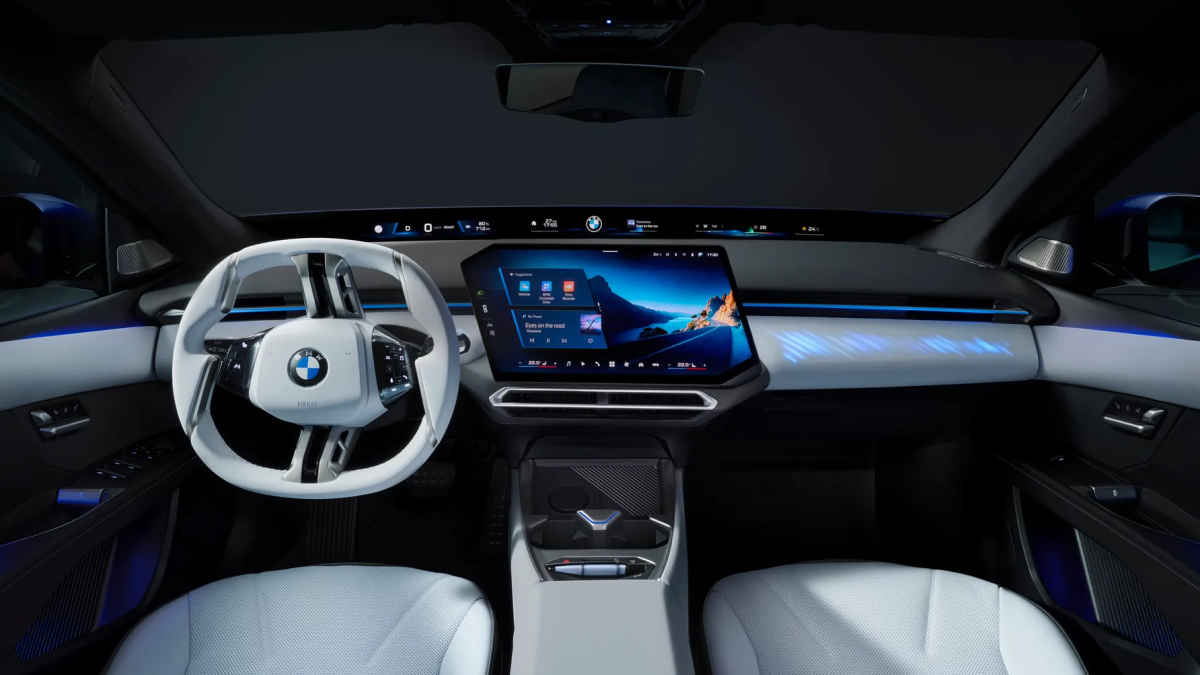
Up front, it mirrors the iX3 layout. A large angular central screen that angles toward the driver controls most functions, including (still) the air conditioning. BMW’s Panoramic iDrive sits as a thin display running the full width of the windscreen base, showing speed, navigation data, and secondary info like elevation and battery temperature. Customisation options are limited, and third-party apps remain locked out of that space for now.
The digital assistant has been upgraded from Alexa to Alexa+, which BMW will be hoping addresses the reliability issues WIRED flagged in its iX3 test, where the system had a habit of activating unprompted and ignoring commands when actually needed.
The Elephant In The Room
The timing is both fortunate and complicated. Rising oil prices tied to geopolitical instability make the EV pitch easier than it has been in months. But earlier this month, BYD revealed its second-generation Blade battery, claiming a 10 to 70 per cent charge in roughly five minutes and a range exceeding 998km (620 miles) on China’s CLTC test cycle (which runs more optimistically than WLTP or EPA). BMW’s range and charging advantages on the Neue Klasse may not look quite so commanding for long.
No Australian pricing or availability has been confirmed. We’ll update when BMW Australia makes its local plans known.