BMW just delivered a knockout blow to Audi’s All Wheel Drive supremacy in Germany, making it clear that quattro’s decades-long reign isn’t untouchable. The Bavarian brand grabbed 54.5% of the German AWD market through August 2025, leaving Audi’s once-dominant quattro system trailing at 50.7%
Mercedes sits even further back at 44.7%, never managing to crack the 50% barrier despite years of 4Matic development. The numbers tell an even grimmer story, with BMW’s xDrive registering nearly 88,500 units, at least 22,000 more than Audi.
The boom signals BMW’s return to the top after briefly losing ground to Audi in 2024. The company previously led the AWD race in 2022 and 2023, showing this latest victory isn’t just a statistical fluke but part of a sustained campaign to dominate German traction preferences.
BMW’s success stems largely from its compact SUV lineup. The X1 and electric iX1 lead the charge, followed by the new 5 Series, i5 electric sedan, and redesigned X3. These models perfectly capture the German appetite for SUVs and electrified vehicles, giving BMW momentum that competitors struggle to match.
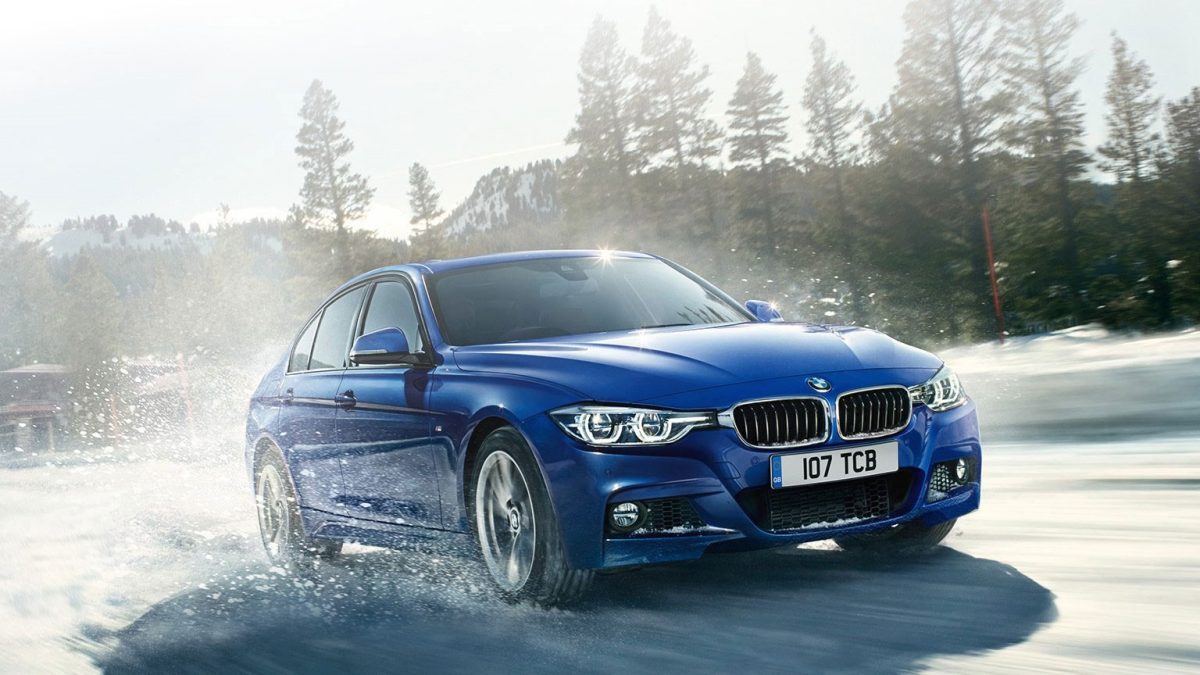
Electric vehicles play a crucial role in this shift. Adding a second motor to the unused axle creates natural All Wheel Drive capability, making cars like the iX1 and i5 especially valuable for boosting BMW’s AWD statistics while supporting broader electrification goals.
The victory carries symbolic weight beyond mere numbers. Audi built its premium reputation on quattro technology, with the system becoming almost synonymous with All Wheel Drive excellence. For BMW to not just match but exceed that legacy represents a significant brand achievement.
Different AWD systems add complexity to the comparison. BMW’s xDrive varies between front and rear-biased platforms, while Audi adapts quattro across its lineup, and Mercedes reserves 4Matic+ for high-performance AMG applications.
Quattro may have set the standard for AWD, but xDrive is the one rewriting the story in Germany’s premium market right now.