Acura just pulled the plug on its ZDX electric SUV after barely 18 months in showrooms. The timing isn’t subtle, coming just days before federal EV incentives disappear completely and taking one of the brand’s quickest attempts at electrification with it.
Honda confirmed that ZDX production has ended immediately, citing “market conditions” as the primary reason. That’s corporate speak for the expiring $7,500 tax credit that likely drove most ZDX sales in the first place. Without that incentive, the GM platform-based SUV becomes much harder to sell.
The ZDX never felt like a true Acura product anyway. Built on General Motors’ Ultium platform alongside the Chevrolet Blazer EV, it shared technology, cabin trim, and basic architecture with its Chevy sibling. The Honda Prologue uses the same setup but continues production, having sold over 33,000 units in 2024 compared to the ZDX’s modest 7,400 sales.
Early signs looked promising for the premium branded version. Through June, Acura had moved over 10,000 units, putting the ZDX on track to triple the previous year’s sales and even outsell the Integra sedan. Then July and August brought sharp declines that sealed the SUV’s fate.
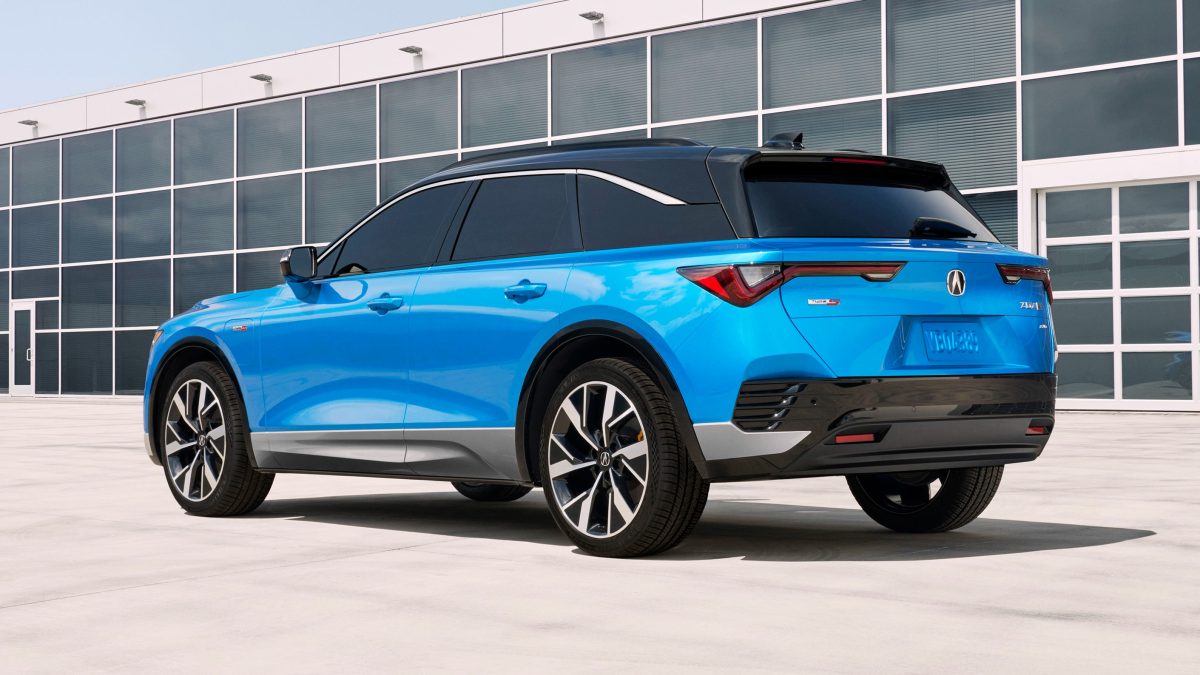
Tariffs played a minimal role in the decision since the ZDX rolls off the same Tennessee assembly line as the Blazer EV. A Kogod School of Business analysis found the ZDX actually uses more American content than most Japanese-branded vehicles, making it nearly as domestic as a Chevrolet Silverado pickup truck.
The cancellation clears the deck for Acura’s real electric future. The RSX prototype debuted in August as a genuinely Honda-engineered product from the ground up, built at the new EV Hub in Ohio as part of Honda’s 0 Series global strategy. Production begins sometime in 2026 with Honda’s Asimo operating system and advanced driver assistance features.
Next up is Acura’s real electric future. The RSX prototype debuted in August as a true Honda-engineered product, built at the new EV Hub in Ohio under Honda’s global 0 Series strategy. Production begins in 2026 with the brand’s Asimo operating system and advanced driver assistance features.
It is exactly what the ZDX should have been from the start, a showcase of Honda’s own engineering rather than a borrowed GM platform. The RSX finally gives Acura the authenticity the ZDX never managed to deliver.
Expect more EV casualties as tax credits vanish. The ZDX won’t be the last model to disappear from showrooms before year’s end, especially among vehicles that depended heavily on federal incentives to justify their pricing. Sometimes borrowed platforms and government subsidies aren’t enough to sustain a product that lacks genuine brand DNA.
The LA Auto Show in November might bring production-ready RSX details, giving Acura a proper electric SUV story to tell instead of explaining why it rebadged someone else’s work.