The Nürburgring has seen plenty of strange laps. Prototype supercars. Half-finished race cars. SUVs trying to prove they are not really SUVs. Carmakers chasing tenths of a second around 73 corners and more than 20km of German tarmac.
But Xiaomi may have just given the Green Hell one of its oddest records yet.
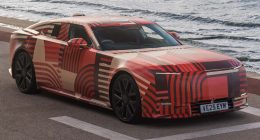
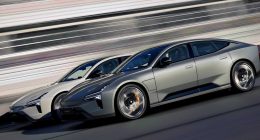
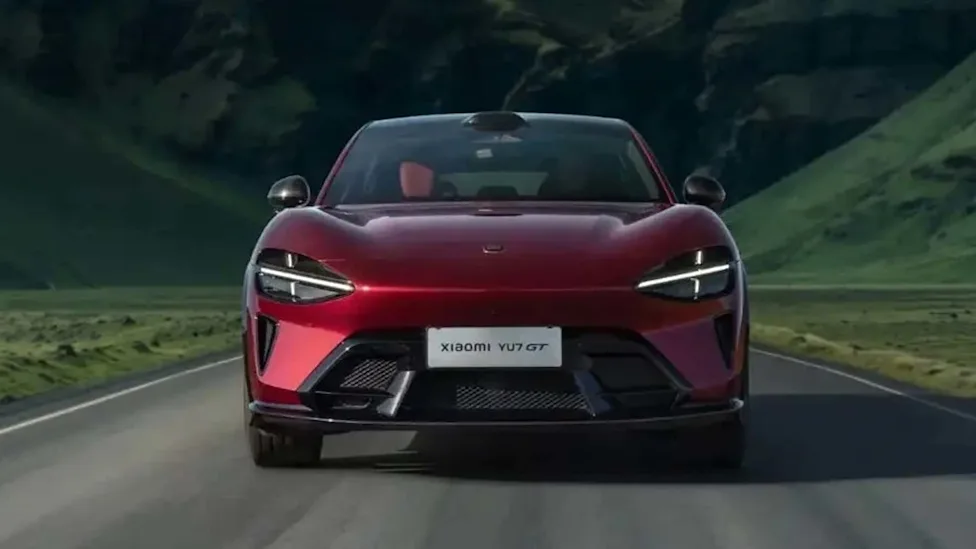
Its YU7 GT electric SUV went around the Nürburgring Nordschleife with nobody behind the wheel.
Not a cautious crawl through a closed car park. Not a demo on a small test loop. A full lap of one of the world’s most unforgiving circuits, completed autonomously in 10 minutes and 29.483 seconds.
That is slow by Nürburgring record standards, but the time is not really the fascinating part.
The empty driver’s seat is.
RELATED: Chinese Xiaomi Hypercar Nürburgring Record Ruined By Brake Failure Safety Concerns
The Human Lap Was Much Faster
Before the driverless run, the Xiaomi YU7 GT had already made noise for a more traditional reason.
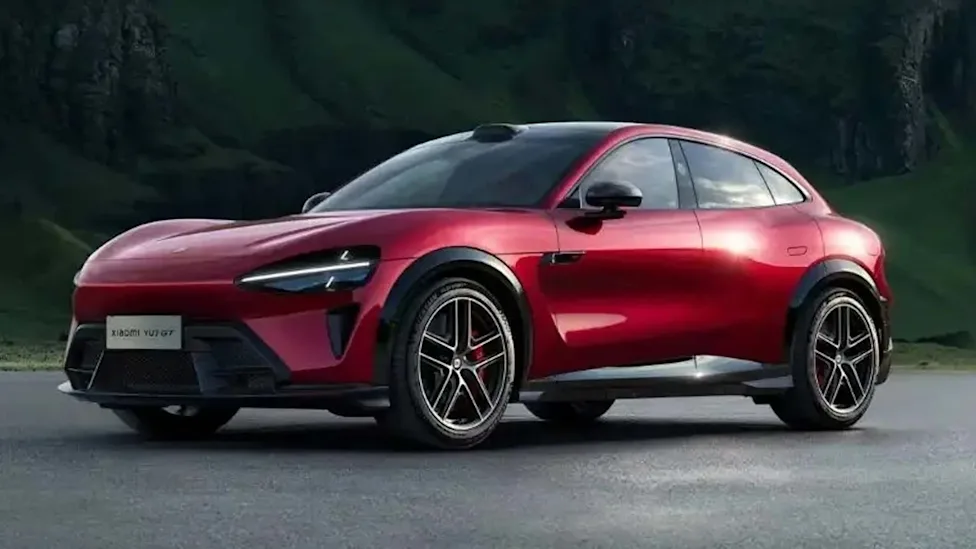
With racing driver Vincent Radermecker behind the wheel, the electric SUV lapped the 20.832km Nordschleife in 7 minutes and 22.755 seconds.
That made it the fastest SUV around the circuit, beating the Audi RS Q8 Performance’s previous benchmark by more than 13 seconds.
For a Chinese electric SUV from a company still better known to many people for smartphones, that alone would have been a headline.
The hardware helps explain it.
The YU7 GT uses a dual-motor electric setup producing up to 738kW, which is roughly 1000hp. It can sprint from 0 to 100km/h in 2.92 seconds and run to a limited top speed of 300km/h. It also uses carbon-ceramic Akebono brakes, air suspension and adaptive dampers to keep the weight under control on track.
So yes, it is quick. Then Xiaomi took the driver out.
The Slow Lap Is The Interesting One
The autonomous lap was more than three minutes slower than the human-driven record.
The slower time tells its own story.
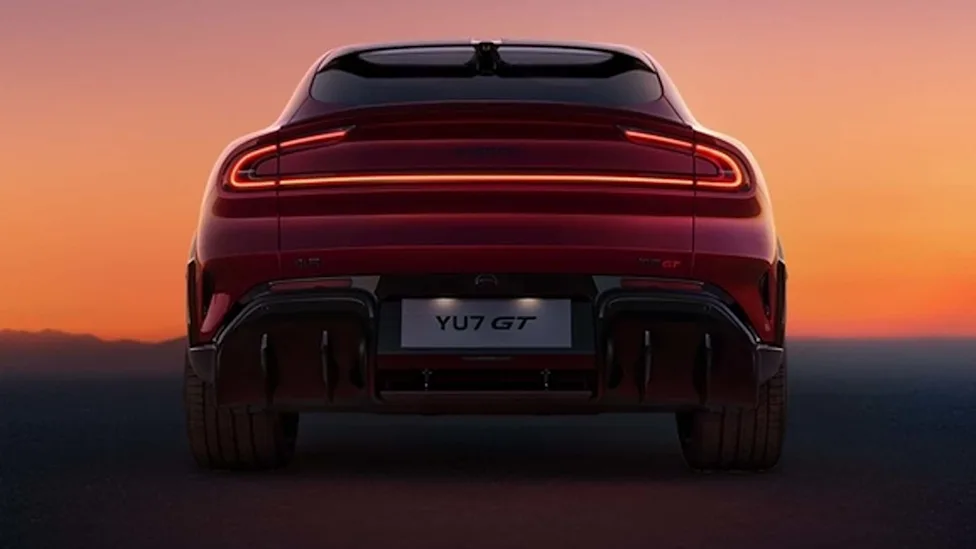
A human driver can take risks. Software leaves margins. It brakes earlier, turns in with more caution and does not treat the edge of grip like a playground. On a track like the Nürburgring, that caution costs minutes.
But the achievement still feels meaningful.
Autonomous cars are usually discussed in traffic, cities and highway commutes. Xiaomi has taken the idea somewhere far less forgiving, where speed, elevation changes and blind corners leave almost no room for confusion.
The YU7 GT did not beat the human. It did something stranger.
It showed that Xiaomi wants to prove its car technology on the same stage used by Porsche, Audi, BMW and every other performance brand chasing credibility.
A smartphone company sending a 1000hp SUV around the Nürburgring with no one inside would have sounded crazy a few years ago.
Now it is a lap time.