General Motors is back in the autonomous driving business.
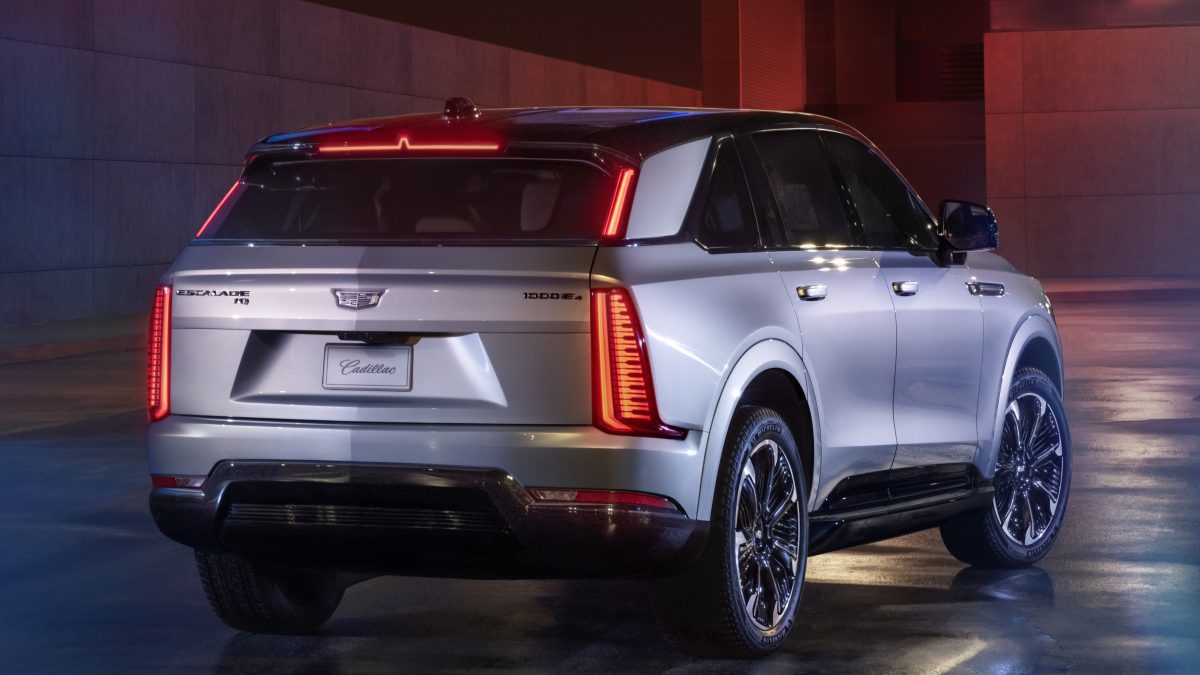
Less than a year after shutting down its Cruise robotaxi unit, the company just announced plans for a 2028 Cadillac Escalade IQ that lets drivers go completely hands and eyes-free on highways. This is a big deal.
The feature will only work on highways at launch. It disengages on local roads, though GM eventually wants to offer it for city driving too.
The technology will expand to other models after the Escalade debut.
GM chair and CEO Mary Barra made the announcement in New York, confirming that the automaker is serious about getting back into autonomous tech.
GM already offers Super Cruise, a hands-free system that still requires drivers to keep their eyes on the road.
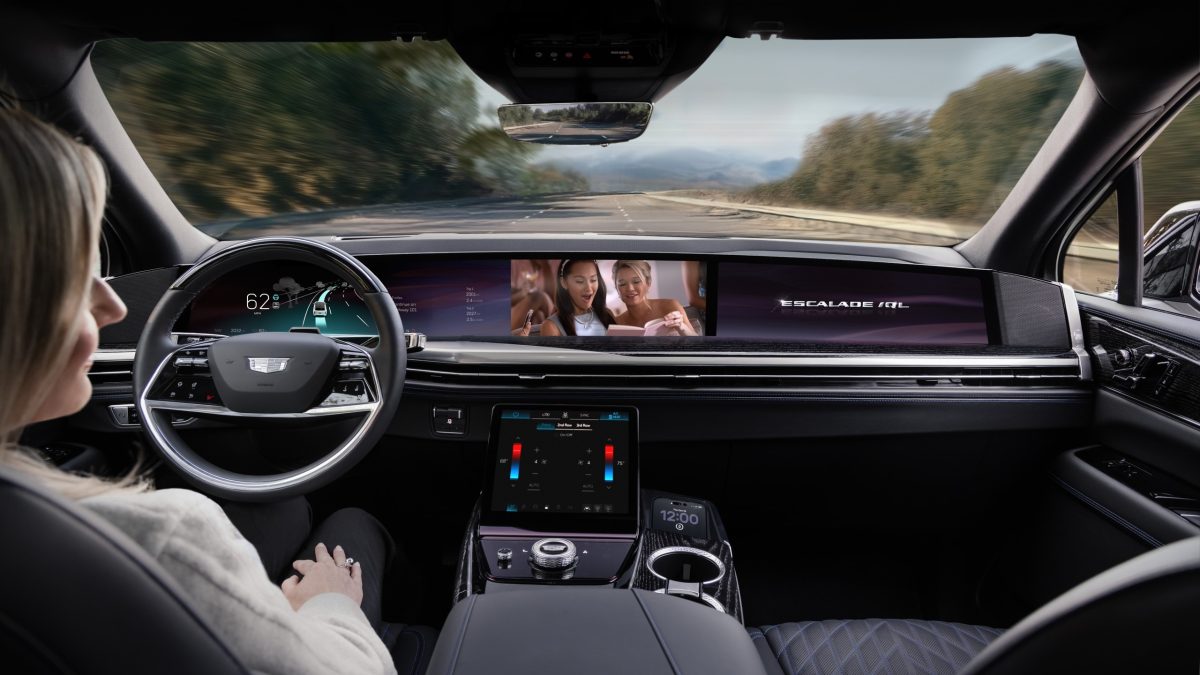
A rear-facing camera monitors your attention. The new system goes further by allowing drivers to look away completely.
GM’s announcement even showed someone watching TV while the car handled highway driving.
That’s a massive leap forward and could put it ahead of Tesla’s FSD, which still demands driver vigilance despite Elon Musk’s repeated promises of full autonomy.
The eyes-off system uses LiDAR, radar sensors, and cameras. Availability will depend on state laws since not every jurisdiction is ready to let computers take full control yet.
A turquoise lighting indicator will signal when the system is active, both inside the cabin and on exterior mirror strips so other drivers know what’s happening.
GM hasn’t announced pricing, but Super Cruise currently costs $39.99 monthly after any free trial through OnStar.
The company is backing up the new tech with impressive data. Super Cruise has mapped over 600,000 miles of roadway for hands-free driving across North America.
Customers have logged 700 million miles using it without a crash blamed on the system. The defunct Cruise division added 5 million miles of fully driverless experience to that dataset.
The Escalade IQ will also debut GM’s new vehicle computing platform. One computing core will handle everything from propulsion to infotainment.
GM claims it will allow ten times more over-the-air software update capacity and up to 35 times more AI performance for advanced features.
This comeback follows GM’s retreat from robotaxi ambitions after a Cruise vehicle struck and dragged a pedestrian in 2023.
GM is also rolling out Google Gemini AI in vehicles starting next year. The assistant will let you talk to your car naturally, helping with vehicle features or finding restaurants.
Starting in 2025, GM will lease its Energy Home System with battery storage and bi-directional charging offering up to 20 hours of home power.