Germany’s bringing back electric car subsidies, and this time they mean business.
The federal government just announced a three-billion-dollar program starting January 1, 2026, that targets everyday buyers instead of wealthy ones.
After scrapping the original bonus in late 2023, the coalition of CDU/CSU and SPD decided affordable EV adoption actually matters for climate goals.
The new purchase incentive tops out at $4,680 per vehicle.
That sounds modest, but the conditions are strict enough to separate this from the old scheme that basically rewarded anyone with cash for premium Audis and BMWs.
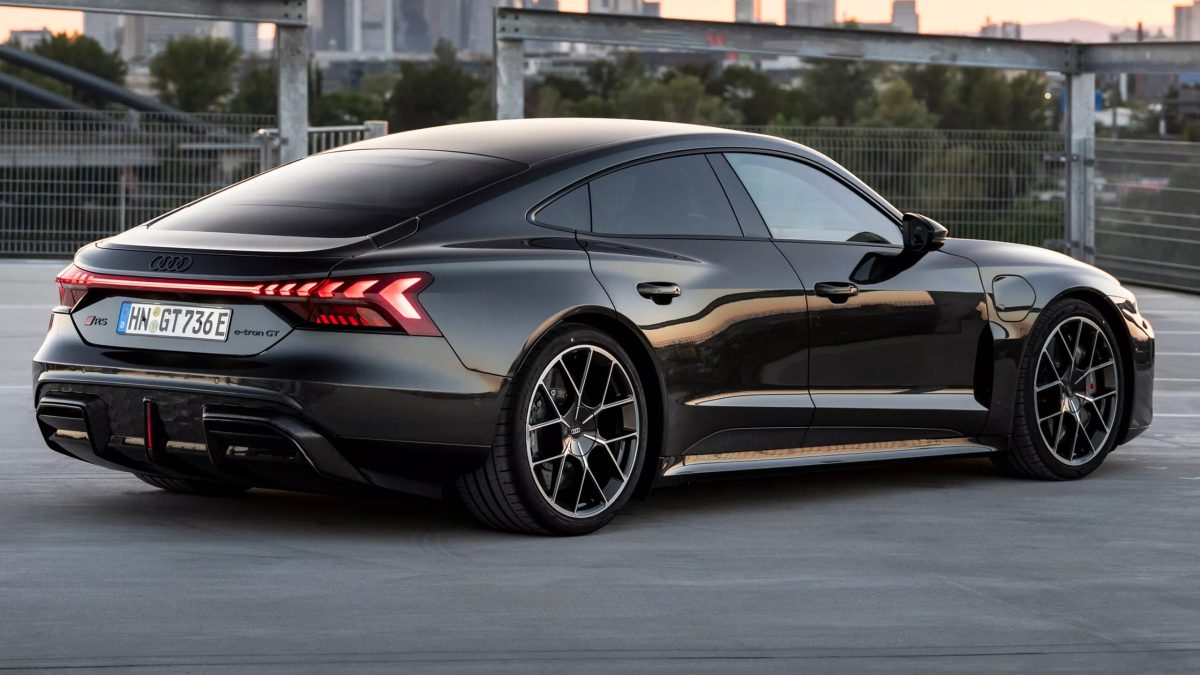
The net list price cap sits at $52,650, which immediately cuts out luxury models and most premium brands.
Only fully electric vehicles qualify. Plug-in hybrids got excluded entirely. That’s a deliberate shift toward actual zero-emission driving rather than greenwashing.
Here’s what makes this genuinely interesting. Germany is including used electric cars in the program for the first time.
That matters because it opens the door for lower-income households to actually afford EVs.
Used EV prices are dropping fast as lease returns and fleet replacements hit the market. Add the $4,680 subsidy to a used car that’s already half the price of new, and suddenly ownership becomes realistic for people who weren’t in the original subsidy game.
The income restrictions are real though. Eligibility is limited to households earning under $52,650 annually.
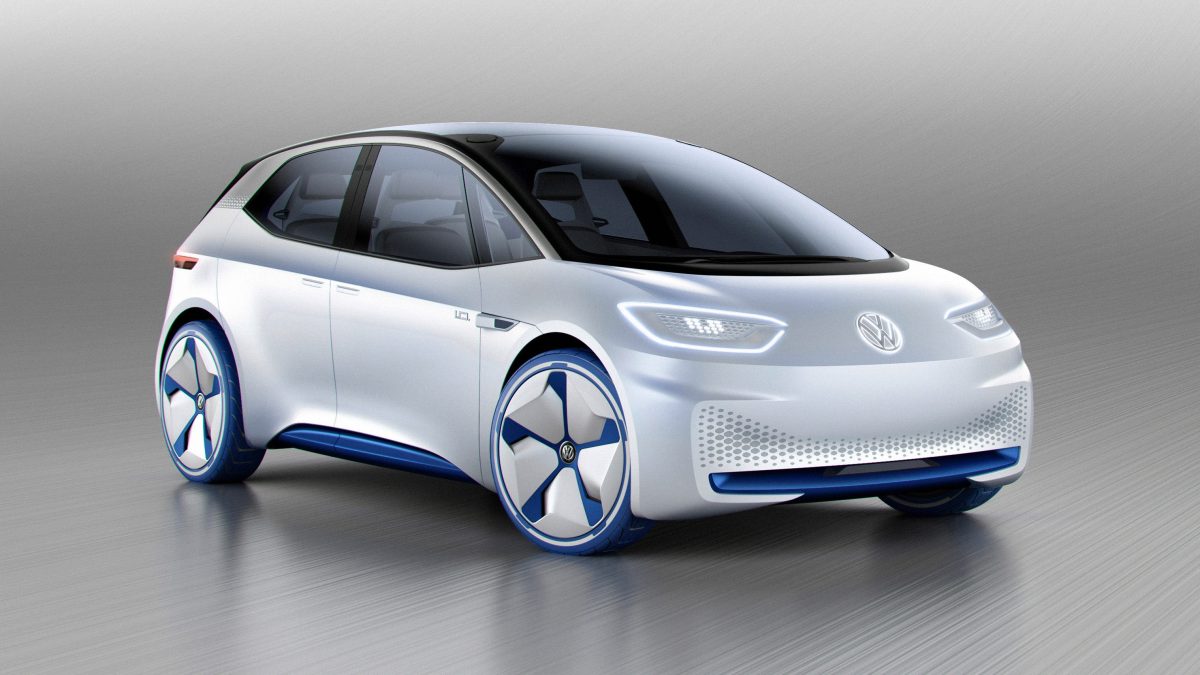
The government explicitly wants this money to reach working families in urban neighborhoods where EVs have been financially out of reach.
There’s also a strategic element here. Germany is reportedly exploring ways to exclude Chinese-made electric cars from the scheme.
The message is clear: rebuild trust in European and German manufacturing at a moment when Chinese competitors are getting more aggressive on pricing.
The applications go through the Federal Office for Economic Affairs and Export Control starting January 2026.
Grants pay after vehicle registration. The programme covers used and new electric cars, plus other climate-neutral mobility like electric motorcycles and possibly e-bikes.
A similar approach has been taken in France and Italy.
European governments are aligning efforts to protect their own automotive industries while actually accelerating EV adoption among ordinary people. It’s not flashy. It’s strategic.