Spyker is back from the dead. Again. The long-troubled Dutch supercar maker announced that founder Victor Muller has secured all intellectual property rights and trademarks after settling a years-long legal standoff, clearing the aviation-inspired brand for takeoff.
The settlement ends a lengthy legal battle between Muller and creditors that began after the 2021 bankruptcy filing when investor funding failed to materialise.
All Spyker IP rights and trademarks have been fully released, allowing Muller and his team to focus on producing hand-built super sports cars once more.
Spyker can trace heritage back to 1880 when two brothers started building carriages in the Netherlands before expanding into planes used in WWI.
The brand ceased operations in 1926 but was revived in 1999 by Muller with aviation-inspired design becoming a signature element.
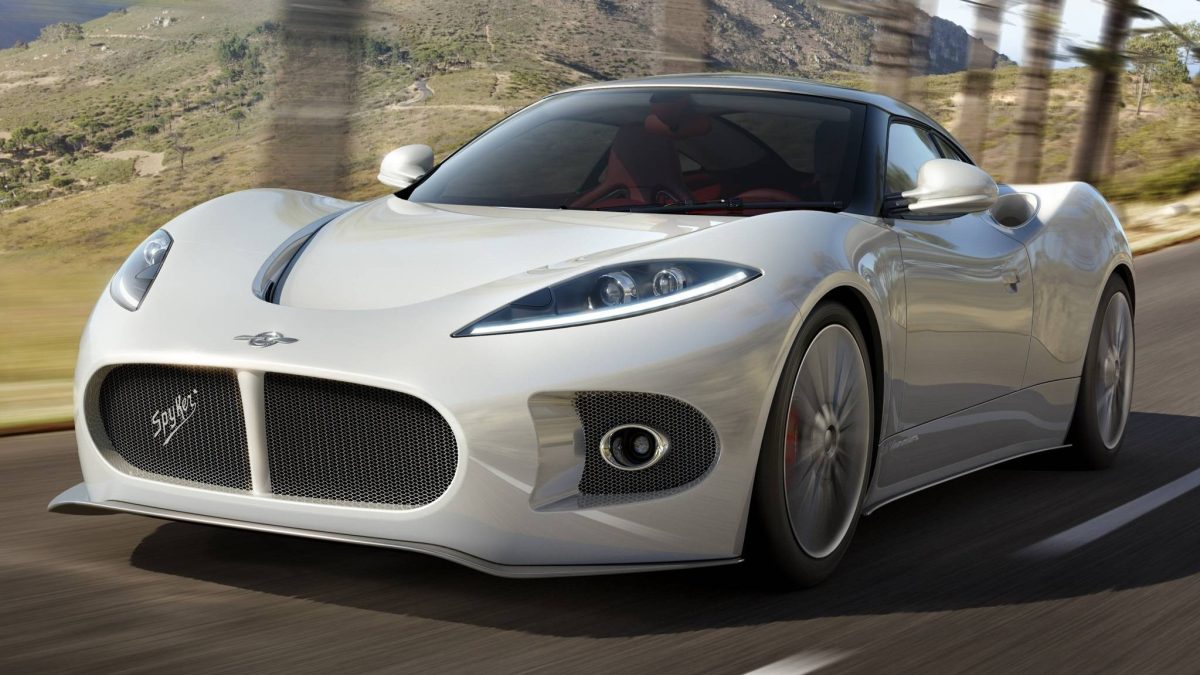
The company has been through the mill with bankruptcies, financial restructures, and That Saab Thing.
A botched Saab acquisition over a decade ago forced financial restructuring in late 2014. Operations resumed by end of 2015 with the C8 Preliator revealed a year later at Geneva Motor Show.
Output has been sporadic since New Spyker emerged. The Audi V8-engined C8 arrived alongside promises of much more including the C12 and brilliantly awkward D12 Peking to Paris. What they cook up this time remains to be seen.
For the tenacious, no road is impassable, the company said, quoting its motto since 2000 that rings truer than ever. More detailed information about plans will be announced shortly.
Spyker was never hugely successful and struggled considerably before the Saab deal derailed everything.
The C8 Preliator is now a decade-old idea, and if Spyker wants to stand out and attract buyers in today’s market, it’ll require a fresh product lineup.
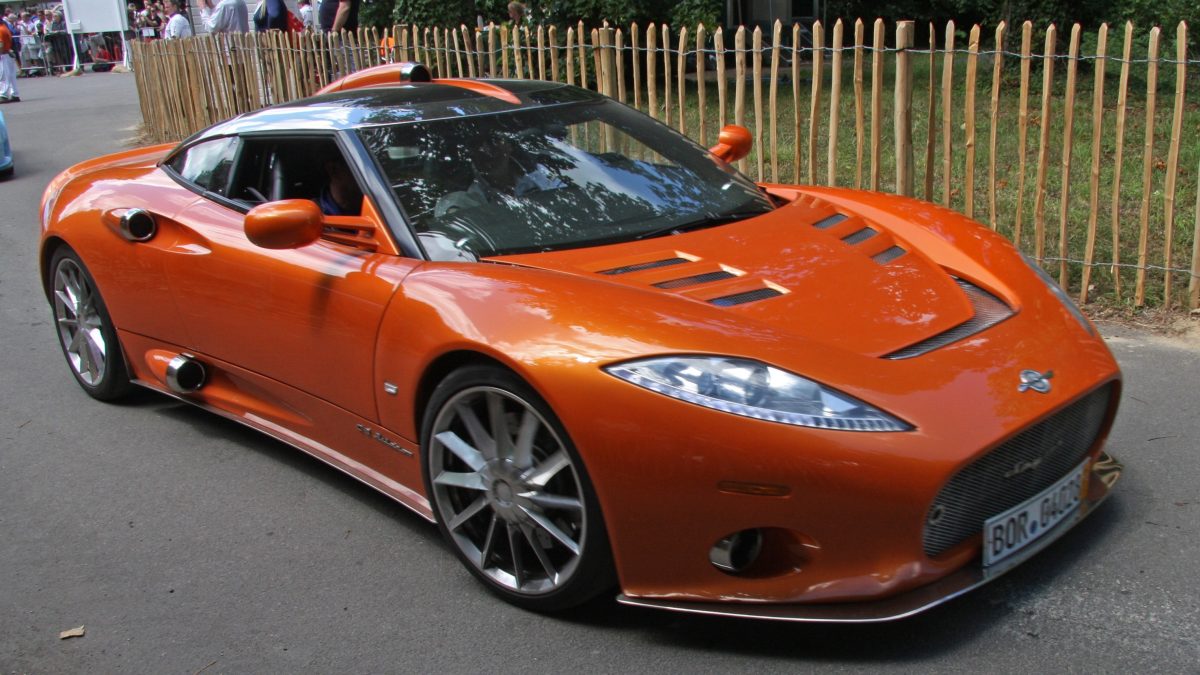
The automotive landscape has changed dramatically since Spyker’s last proper effort.
There’s no shortage of high-priced, high-performance, low-volume cars available from established players like Koenigsegg and Rimac. Competition is fiercer than ever in the bespoke supercar segment.
In the end, whether the world is ready for another hand-built boutique automaker remains questionable.
Spyker will need more than exquisitely crafted cabins and aviation-inspired design to succeed this time around.
The brand built everything from cars to aeroplanes in its original incarnation, with that aviation heritage heavily influencing Muller’s turn-of-the-century revival.
Spyker enthusiasts who nearly forgot about the Dutch brand can now anticipate new developments, though specifics remain scarce until the promised detailed announcement arrives shortly.