The German motorsport company Capricorn has developed its first hypercar after working on other companies’ projects for multiple years.
The company, which produces components for the Bugatti Veyron, Chiron, McLaren P1, and Porsche 918 Spyder, teamed up with Italian design firm Zagato to create the 01 Zagato, a model focused on classic styling over track performance.
The carbonfibre chassis design follows the example of LMP1 race cars that maintain a weight under 1,200kg. A supercharged 5.2-liter Ford V8 fettled by Capricorn produces more than 900 horsepower and 737 lb-ft of torque.
The vehicle delivers power to its rear wheels through a five-speed dog-leg manual gearbox, a deliberately old-school choice matching the analogue philosophy.
The vehicle reaches 62 mph in less than three seconds. Carbon ceramic brakes with six-piston Brembo callipers provide stopping power alongside a bespoke anti-lock system.
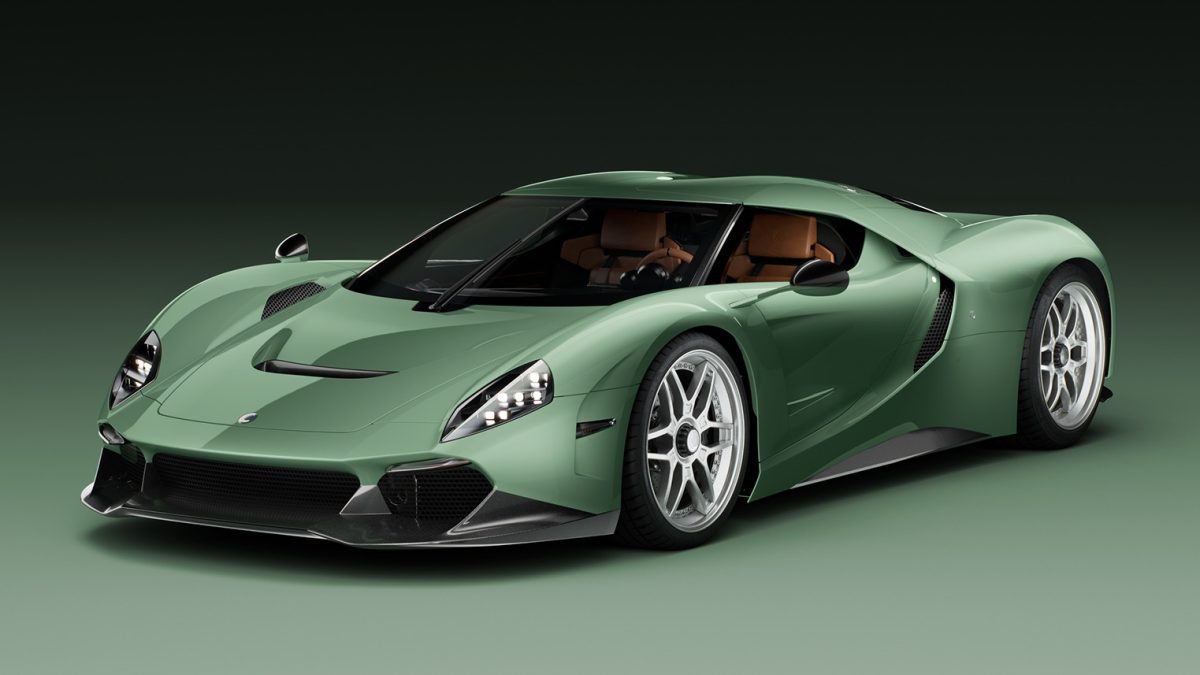
Zagato chief designer Norihiko Harada intended for styling to stand the test of time in collections alongside vintage Bugattis and Aston Martins.
Traditional side mirrors replace rear-view cameras to avoid dating the car quickly. Design hints include Ford GT elements, Koenigsegg windscreen proportions, and 1960s endurance racer rear haunches. The double bubble roof is classic Zagato, though this marks the 106-year-old company’s first hypercar.
The body and floor generate downforce through ground effect rather than wings or a large rear spoiler, improving driveability at road speeds.
Capricorn CEO Robertino Wild said the goal was consistent, predictable downforce rather than chasing extreme numbers that create nervous behaviour.
Electric power steering activates at low speeds and disengages at higher speeds for more feedback. There’s no active aero at all, deliberately avoiding the hypercar arms race.
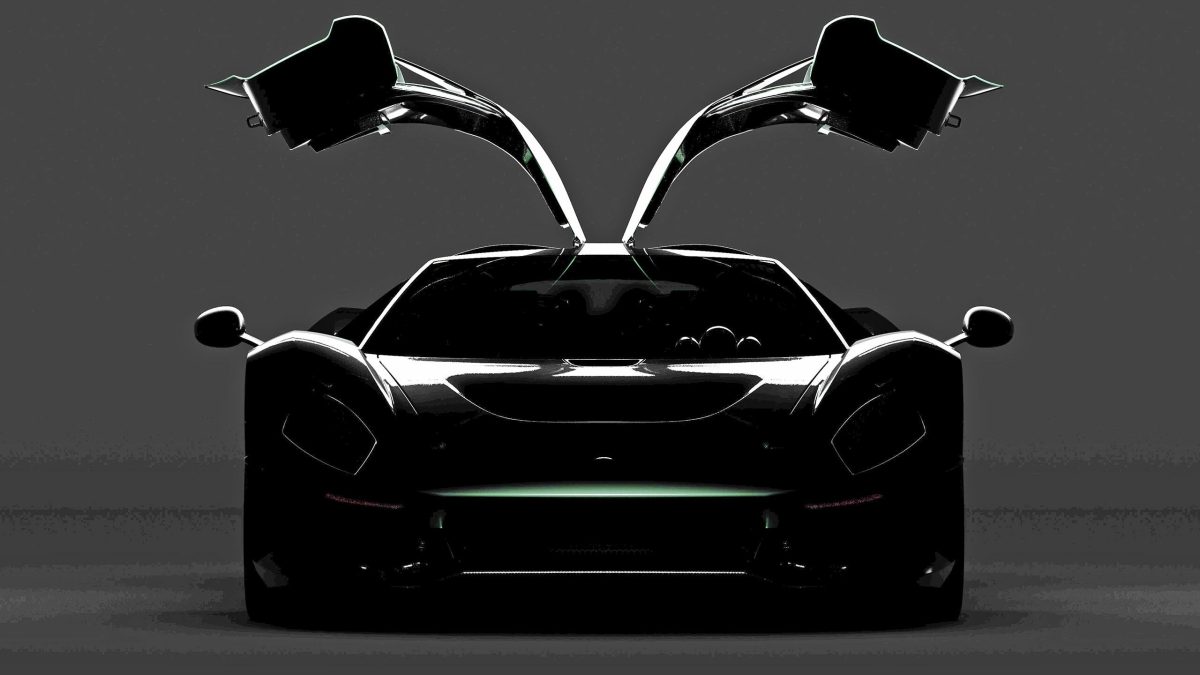
The interior channels historic race cars, led by a rev counter dominating the analog instrument cluster. Gullwing doors provide access.
Fixed seats attach to the chassis but the pedal box adjusts fore and aft for different driver sizes. No touchscreen exists, just a small display for reversing camera output.
The driver selects between Comfort, Sport, and Track drive modes by turning a dial located on the steering wheel. Toggle switches and analog dials complete the deliberately dated approach.
The central tub and subframes use motorsport-spec carbon weave. Capricorn calls it a spine, achieving light weight and clever packaging including a 110-litre front boot. Carbon wheels reduce weight further from the 1,200kg dry figure.
Just 19 examples will be produced at $3.41 million before tax. European homologation allows UK road use among a handful of other non-European markets globally.
Capricorn previously contracted to produce the similarly specified De Tomaso P72 hypercar, now made by HWA instead.
The 01 Zagato positions itself like half German, half Italian GMA T.50, a love letter to purist driving and low weight sticking two fingers up at lap times and top speed obsession.
Sometimes less really is more, assuming you’ve got $3.41 million plus taxes lying around.