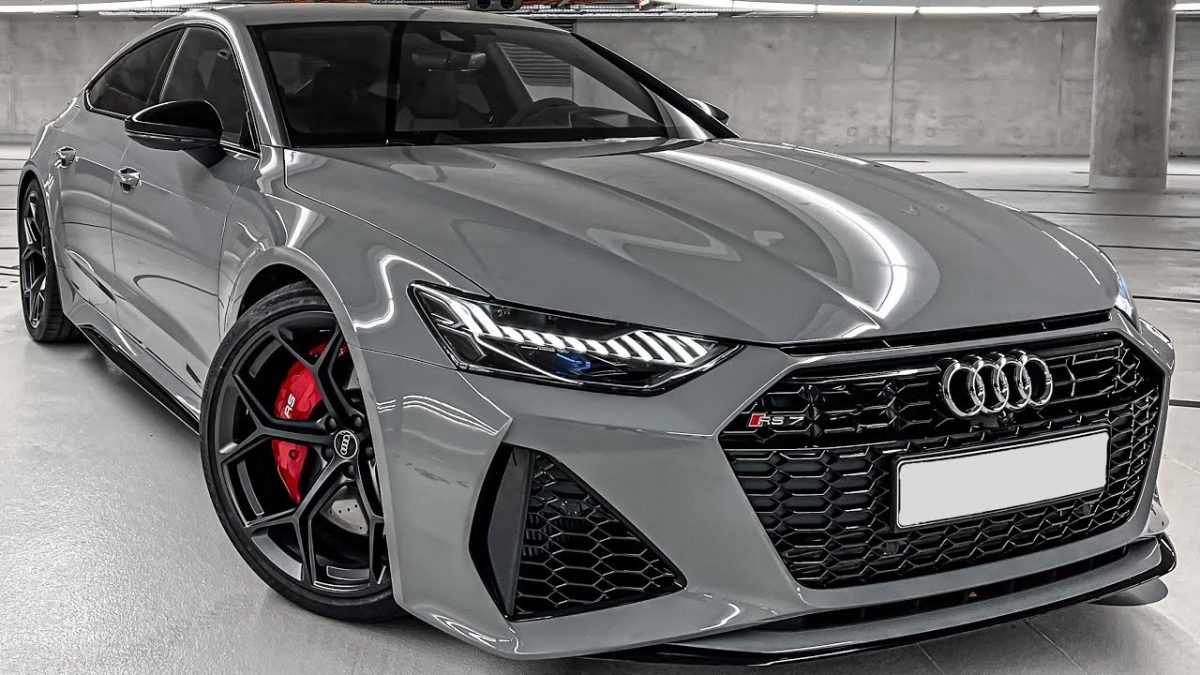
Chinese car brands are quietly dismantling Europe’s automotive establishment, posting explosive 121% growth in August that left traditional powerhouses scrambling. According to Jato Dynamics, the 43,500 units sold by Chinese brands now represent 5.5% of the European market, outpacing both Audi’s 41,300 sales and Renault’s 37,800 units.
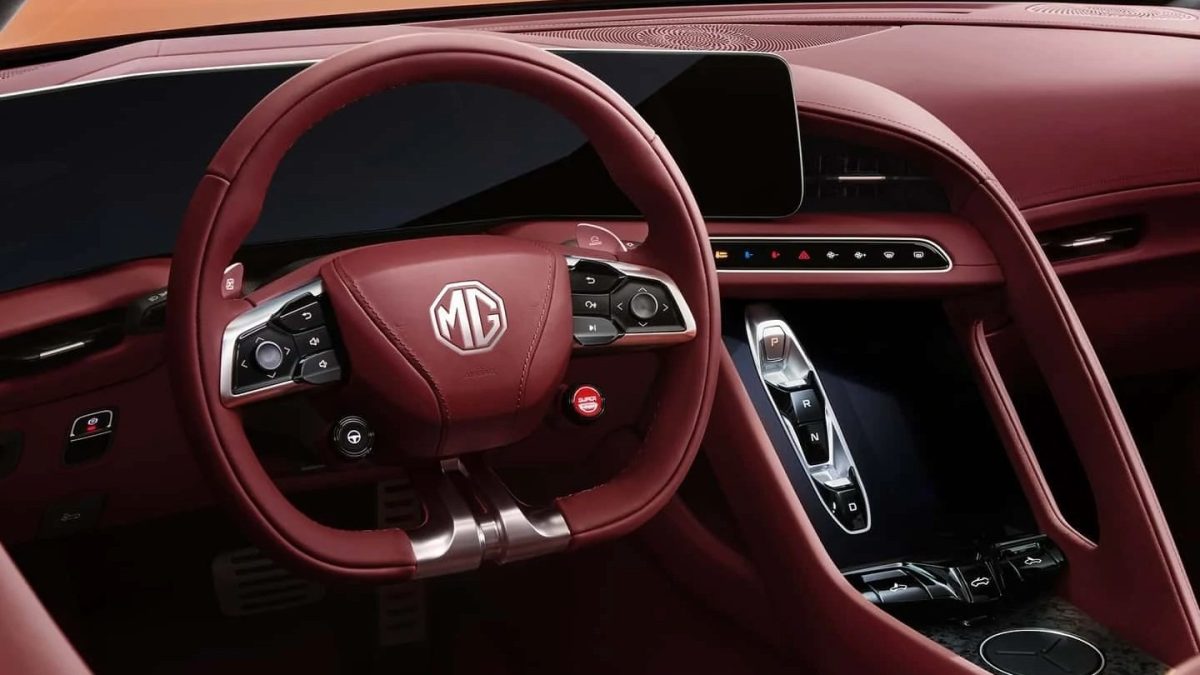
The surge spans 40 different Chinese automakers, though just five brands drive 84% of total sales: MG, BYD, Jaecoo, Omoda, and Leapmotor. Individual Chinese brands are claiming significant scalps, with MG registering more cars than Tesla and Fiat combined, BYD beating Suzuki and Jeep, and newcomers Jaecoo and Omoda outselling established names like Alfa Romeo and Mitsubishi.
European car sales grew 5% overall to 790,000 units in August, driven by continuing electric vehicle enthusiasm. Battery electric vehicles hit a record 20.2% market share, up 3.6 percentage points year over year, bringing 2025’s total European EV registrations to 1.54 million so far.
Plug-in hybrids showed even stronger momentum with 59% growth to 83,900 registrations, capturing 10.6% market share. Chinese brands excel particularly in this segment, avoiding the tariffs that handicap their pure electric offerings.
Chinese plug-in hybrid sales exploded from just 779 units in August 2024 to over 11,000 this year. BYD now ranks as the eighth most popular PHEV brand overall, with the BYD Seal U, Jaecoo J7, and MG HS claiming three spots in the top 10 best-selling models list.
The growth comes despite analysts’ cautioning that EV figures may be inflated.
Traditional European brands still dominate overall sales rankings, with the VW T-Roc leading, followed by the Dacia Sandero and Toyota Yaris Cross. Tesla’s updated Model Y was the best-selling EV but saw sales drop 37% year over year, failing to crack the overall top 10.
The Chinese success story extends beyond pure market share numbers. Jato analysts confirm that Chinese brands have “successfully tackled the perception and awareness issues they have experienced,” suggesting sustained growth ahead rather than temporary gains.
Stellantis benefits partially through its Leapmotor partnership, but most European manufacturers face direct competition from brands offering competitive pricing, modern technology, and increasingly sophisticated designs.
The 121% growth rate suggests Chinese automakers are moving beyond initial market entry phases into serious competitive threats for established European brands across multiple segments and price points.