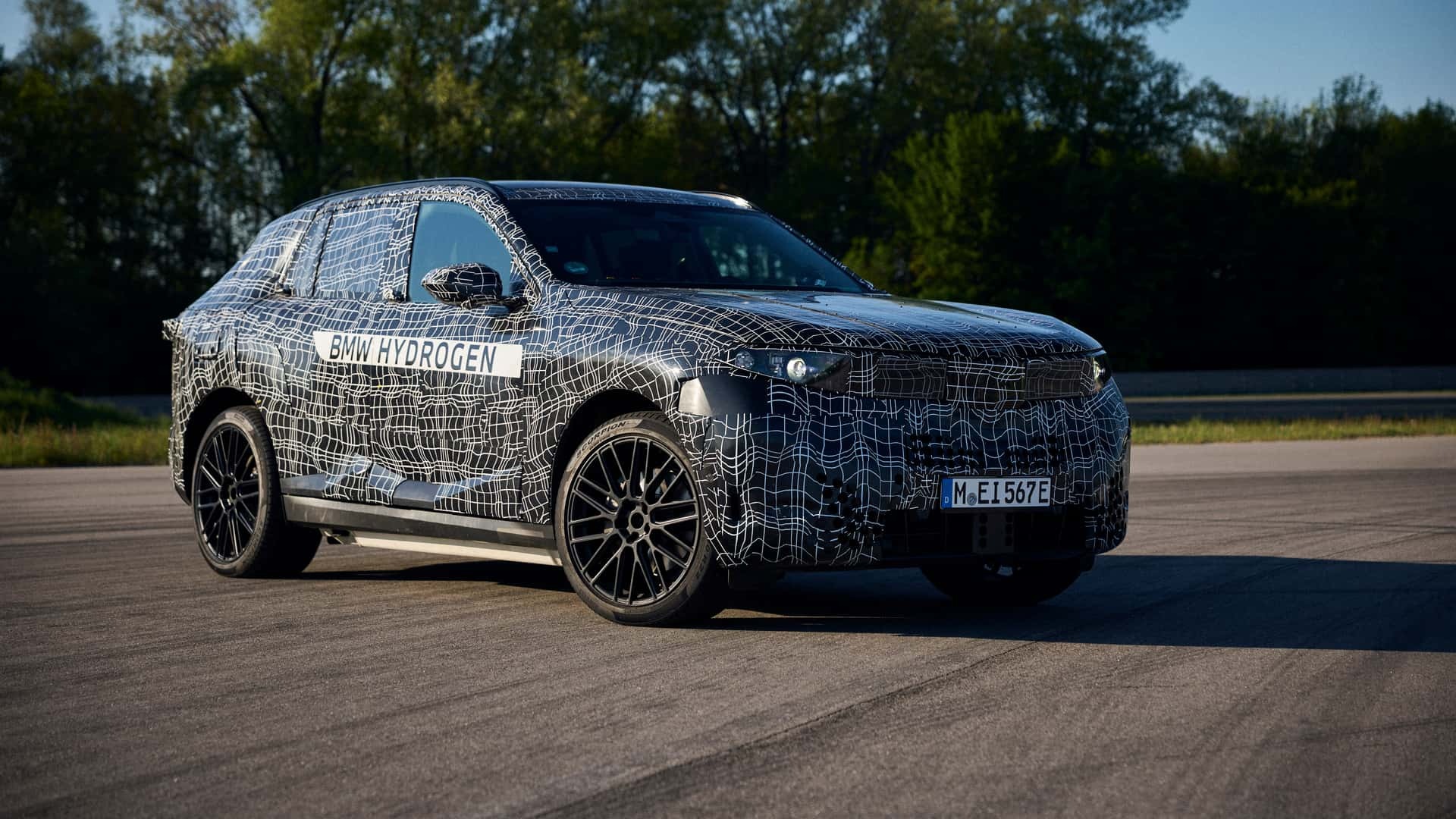
BMW just confirmed the automotive equivalent of a Swiss Army knife. The next-generation X5, codenamed G65, will offer five different drivetrain options when production starts in August 2026, making it the most versatile luxury SUV ever built.
The lineup includes gasoline, diesel, plug-in hybrid, battery electric, and hydrogen fuel cell variants. The hydrogen version, developed jointly with Toyota, won’t arrive until 2028 but represents BMW’s first production fuel cell vehicle after nearly 50 years of experimentation.
First prototype photos show the new X5 hiding Neue Klasse design language beneath swirly camouflage. The retro-inspired vertical kidney grilles from the new iX3 are clearly visible, along with headlights that appear to have their final shape. BMW thankfully avoided split headlights here, unlike the larger X7 and XM models.
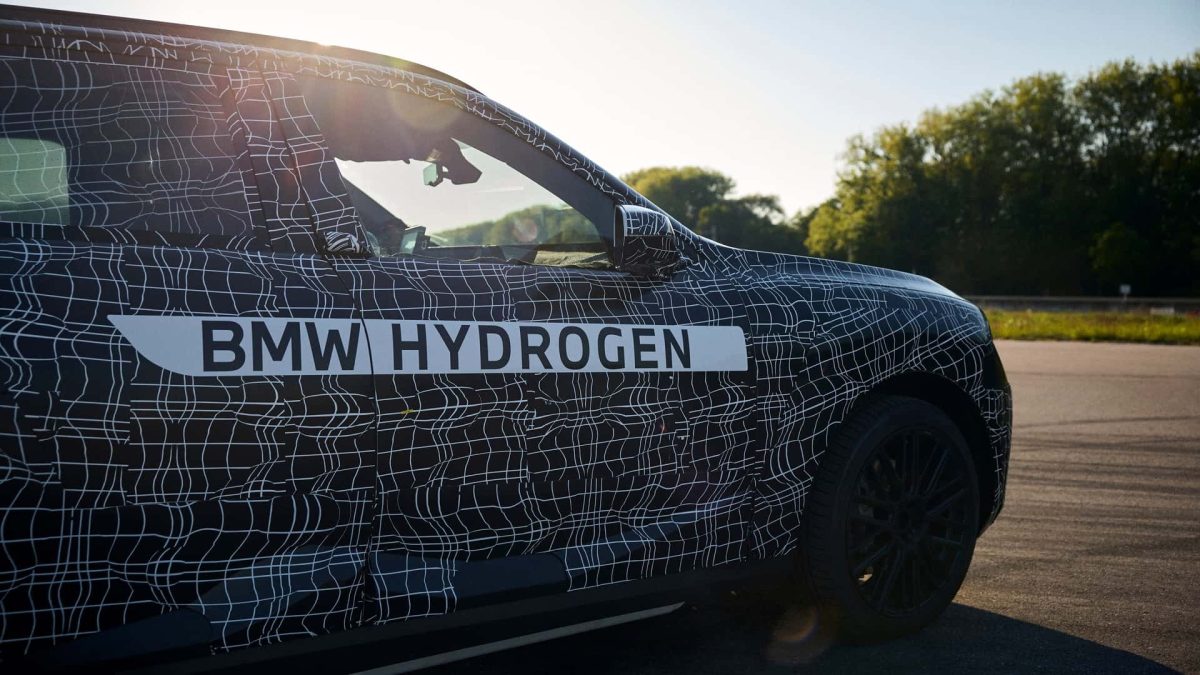
The most intriguing detail is the absence of conventional door handles. Instead, winglets integrated into the beltline recall BMW’s M8-based Speedtop and Skytop special editions, creating a cleaner profile similar to the Ford Mustang Mach-E.
The diesel engine survives despite strict emissions regulations, with BMW’s B57 3.0-liter straight six updated for Euro 7 compliance. The battery electric version will use Gen6 motors and batteries from the 2026 iX3, despite the X5 remaining on the CLAR platform with significant modifications to integrate Neue Klasse hardware.
Inside, expect a complete redesign following the iX3 template with a 17.9-inch central screen dominating the dashboard. The traditional instrument cluster disappears in favor of Panoramic Vision, a pillar-to-pillar projection system displaying information at the windshield base. The iDrive rotary knob and most physical controls vanish in pursuit of minimalism.
The hydrogen iX5 will stay limited to select markets due to infrastructure constraints. Only about 1,160 hydrogen refueling stations exist worldwide, making broad deployment impractical. BMW considers hydrogen fuel cells the essential technology needed to complete electric mobility solutions in areas where charging infrastructure remains underdeveloped.
BMW is also considering reintroducing range extender technology for the electric X5, similar to the old i3 REx that used a small engine as a generator rather than driving the wheels directly.
The new X5 debuts as early as next year, joining over 40 BMW models getting Neue Klasse DNA by the end of 2027. Whether the three-row configuration survives remains unclear, as BMW may push buyers toward the larger X7 instead.
Five drivetrains in one vehicle signify BMW hedging every technological bet, ensuring customers can choose their preferred path to luxury SUV ownership regardless of infrastructure or personal preferences.