Mercedes-Benz just admitted what drivers have been saying for years: physical buttons work better than touchscreens for most car functions.
The German luxury brand is reversing course on its digital-first interior strategy, starting with new steering wheel controls and following Volkswagen’s lead. Software chief Magnus Östberg noted that data clearly shows physical buttons outperform touchscreen interfaces for frequently used functions.
The first models getting the button treatment are the new GLC and CLA Shooting Brake, featuring redesigned steering wheels with more rocker switches, rotary controls, and traditional buttons.
This new steering wheel design will become standard across Mercedes models, with the company planning to retrofit it into existing vehicles starting this year with the recently unveiled CLA sedan. Östberg calls it the simplest and most cost-effective way to add physical controls while keeping Mercedes’ digitally oriented interiors.
Future models, particularly SUVs, may get even more physical controls since larger vehicles offer more freedom of design and SUV buyers place more value on buttons.
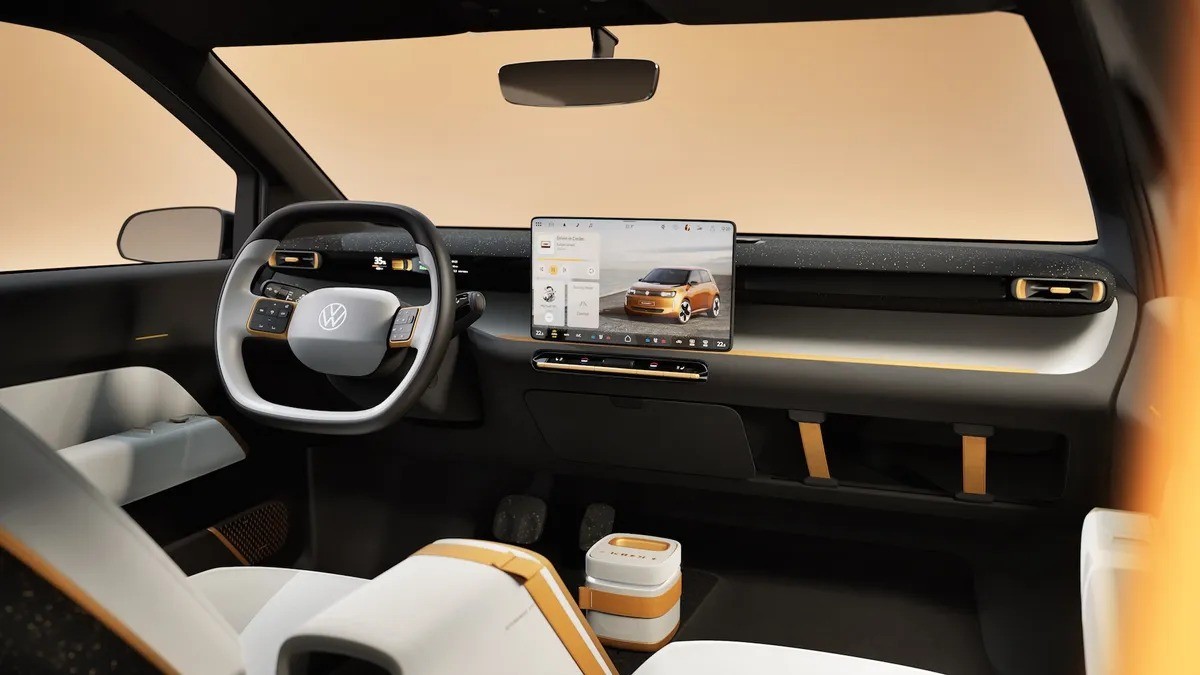
Mercedes isn’t alone in this button revival. Volkswagen’s design chief, Andreas Mindt, announced earlier this year that all future VW models will feature physical controls for essential functions, starting with the ID.Polo concept.
Safety regulators are pushing the button comeback, too. Euro NCAP plans to introduce new criteria for human-machine interfaces in 2026, favoring mechanical buttons over capacitive screens and massive displays that don’t contribute to road safety.
The timing suggests Mercedes and VW are getting ahead of safety requirements by responding to customer frustration with touchscreen everything interiors. At times, the old way actually works better, especially when you’re driving at 70mph and need to adjust the climate control without taking your eyes off the road.
Simply put, not every problem needs a digital solution.